

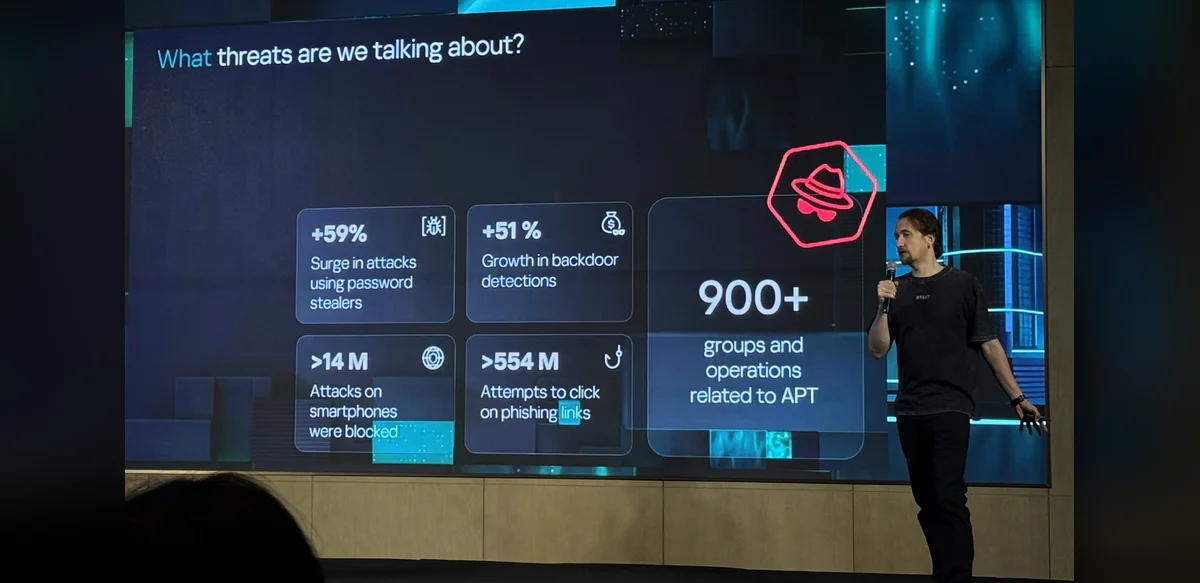
A leading cybersecurity company has released findings indicating that threats in the Asia-Pacific region continue at elevated levels. Over the first half of 2026 the firm recorded and prevented a total of seventy-five million malicious attempts targeting systems and users. This figure underscores the persistent nature of digital risks faced by individuals and organizations throughout the area.
Among the blocked incidents were more than two point four million attempts involving tools designed to capture login credentials. Such tools represent a common method used by malicious actors to gain unauthorized access to personal accounts and sensitive data. The volume of these specific threats points to ongoing efforts aimed at compromising user privacy and financial information.
Additionally the report noted two hundred fifty thousand instances of ransomware activity that were successfully stopped. Ransomware involves software that encrypts files and demands payment for their release. The prevention of these attacks helped avoid potential disruptions to businesses and critical services across multiple countries in the region.
The overall data reflects a broad range of attack vectors that remain active despite increased awareness and defensive measures. Experts emphasize the importance of regular software updates strong password practices and employee training to reduce exposure. While the numbers are significant they also demonstrate the effectiveness of proactive detection systems in mitigating harm.
Regional variations exist with some nations experiencing higher concentrations of certain threat types than others. Factors such as internet penetration rates economic activity and digital infrastructure development contribute to these differences. Organizations are advised to conduct regular security assessments tailored to their specific operational environments.
The first half of the year often serves as an indicator for trends that may continue or evolve in subsequent months. Continued monitoring and adaptation of security protocols will be essential for maintaining resilience against evolving tactics. Collaboration between public and private sectors can further strengthen collective defenses.
Users are encouraged to remain vigilant and adopt layered security approaches including multi-factor authentication and reliable backup solutions. These steps can significantly lower the likelihood of successful breaches even when threats are widespread. Educational initiatives aimed at improving digital literacy also play a vital role in reducing overall vulnerability.
The findings serve as a reminder that cybersecurity requires ongoing attention rather than one-time efforts. As technology advances so too do the methods employed by those seeking to exploit it. Staying informed about emerging patterns helps both individuals and enterprises make better decisions regarding their protective strategies.
In summary the reported statistics illustrate a challenging yet manageable threat landscape when appropriate measures are in place. The prevention of millions of attacks highlights the value of advanced detection capabilities combined with user awareness. Continued investment in security research and technology will be key to sustaining progress in this area.


