

Lung cancer ranks as the most common cancer diagnosis globally and accounts for the highest number of cancer deaths each year. Roughly 85 percent of these cases fall under the category of non-small cell lung cancer. Although tools for detection and treatment options have improved markedly in recent years, including the use of immunotherapy and targeted drugs, many patients still receive their diagnosis at an advanced stage. This delay often reduces the chances of successful outcomes.
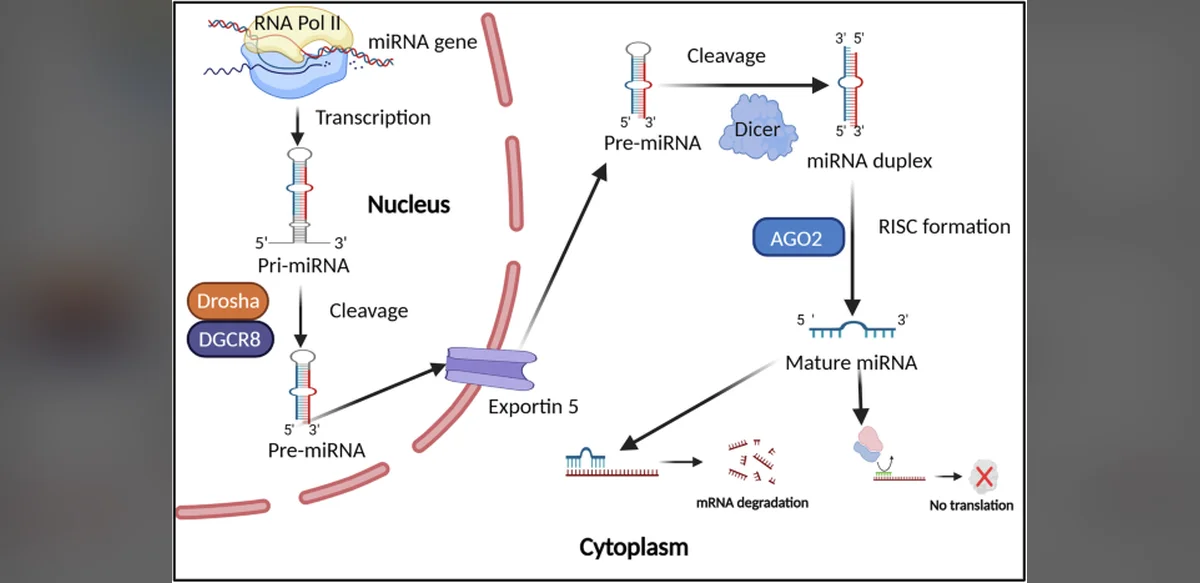
Recent studies have turned attention to small non-coding RNA molecules known as microRNAs, or miRNAs. These molecules help regulate gene activity and play key roles in cell growth, division, and death. In cancer, their levels frequently change, making them potential markers for disease presence or progression. Exosomal miRNAs, which travel inside tiny vesicles released by cells, add another layer of interest because they can be found in blood and other body fluids.
Scientists have identified specific miRNA patterns that appear more often in people with non-small cell lung cancer than in healthy individuals. Measuring these patterns in blood samples could support earlier detection without the need for invasive tissue biopsies. Some miRNA signatures also correlate with how aggressive a tumor may become or how well a patient might respond to certain therapies. This information could guide doctors in choosing personalized treatment plans.
Therapeutic strategies built around miRNAs are also under active investigation. Researchers are exploring ways to restore normal miRNA function in cancer cells or to block harmful miRNA activity. Delivery methods using exosomes or synthetic carriers are being tested in laboratory models to improve precision and reduce side effects. While these approaches remain largely experimental, early results suggest they may complement existing treatments such as chemotherapy or immune checkpoint inhibitors.
Challenges remain before these findings translate into routine clinical use. Standardization of testing methods, validation across large patient groups, and regulatory approval all require further work. Nevertheless, the growing body of evidence points to miRNAs and their exosomal forms as promising tools that could reshape how non-small cell lung cancer is diagnosed, monitored, and managed in the future. Continued research aims to refine these applications and bring them closer to patient care settings worldwide.


