

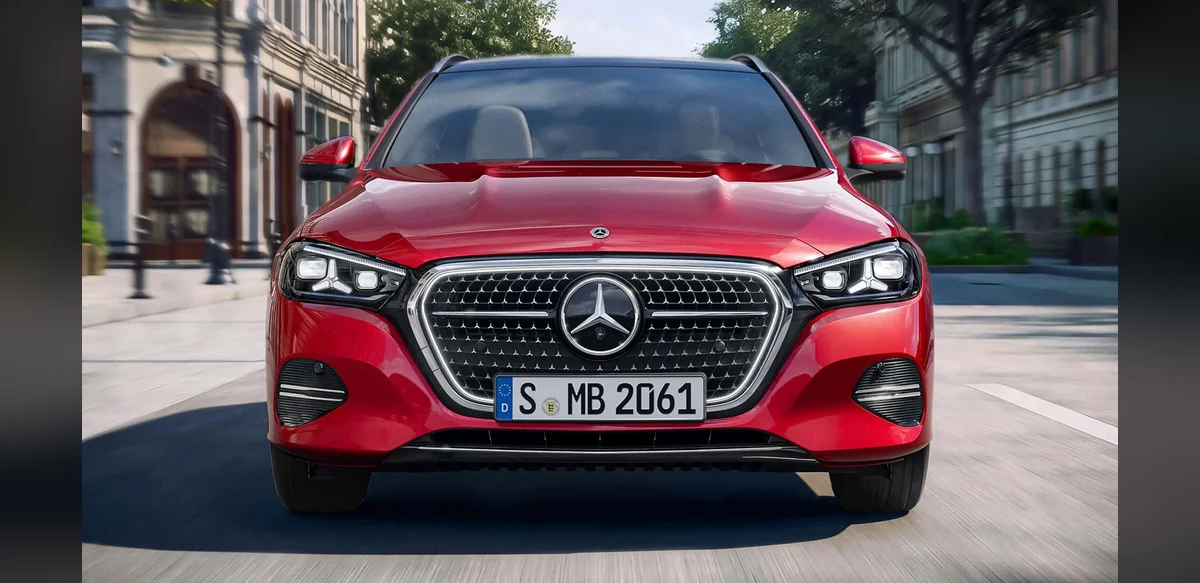
Mercedes has chosen not to restore the V8 engine configuration previously associated with the high performance version of its C Class lineup in the most recent update to the model. The decision stems primarily from considerations related to overall expenses involved in development and production.
The latest iteration of the C Class has undergone a series of refinements aimed at enhancing efficiency and aligning with broader industry shifts toward more sustainable powertrains. Company representatives have indicated that incorporating the eight cylinder engine would have required substantial additional investment that did not align with current strategic priorities.
Industry observers note that such choices reflect wider trends in the automotive sector where manufacturers balance performance heritage with economic realities. The focus has moved toward optimizing existing platforms rather than expanding engine options that carry higher costs for components and compliance.
This approach allows the brand to allocate resources toward other areas such as advanced driver assistance systems and interior technology upgrades that appeal to a broad customer base. The facelift introduces subtle exterior modifications and improved cabin features without altering the fundamental powertrain strategy.
Customers interested in the C Class can still select from a range of available engines that deliver strong performance while meeting regulatory standards for emissions. The emphasis remains on delivering a balanced driving experience that combines comfort with responsive handling.
Over time the automotive market has seen many brands reevaluate traditional engine lineups in light of rising development expenses and evolving consumer preferences. Mercedes decision fits within this context as it seeks to maintain competitiveness without unnecessary expenditures.
The updated C Class continues to offer a compelling package for those seeking a premium compact executive vehicle. Its design language emphasizes clean lines and modern aesthetics that have become hallmarks of the brand.
In summary the choice to forgo the V8 option underscores a pragmatic stance on costs while preserving the core attributes that define the model. Future updates may revisit powertrain possibilities depending on market conditions and technological advancements.
This measured strategy helps ensure long term viability for the C Class as it competes in a dynamic segment. Mercedes continues to monitor feedback from owners and analysts to guide subsequent developments.
Overall the facelift represents an evolution rather than a revolution with the powertrain decision serving as a key example of cost conscious planning. The result is a vehicle that maintains its reputation for quality and refinement.
Additional details on the model are expected to emerge as it reaches dealerships worldwide. The brand remains committed to transparency regarding the rationale behind its engineering choices.
By prioritizing fiscal responsibility Mercedes positions itself to invest in areas that deliver greater value to customers over the vehicle lifecycle. This includes enhancements to connectivity and safety features that have grown in importance.
The absence of the V8 does not diminish the appeal of the C Class which retains strong performance credentials through alternative configurations. Enthusiasts may explore other models in the lineup if seeking different engine characteristics.
In conclusion the decision highlights the complexities of modern vehicle development where multiple factors influence final specifications. Cost considerations play a central role in shaping the direction of updates like the current C Class facelift.


