

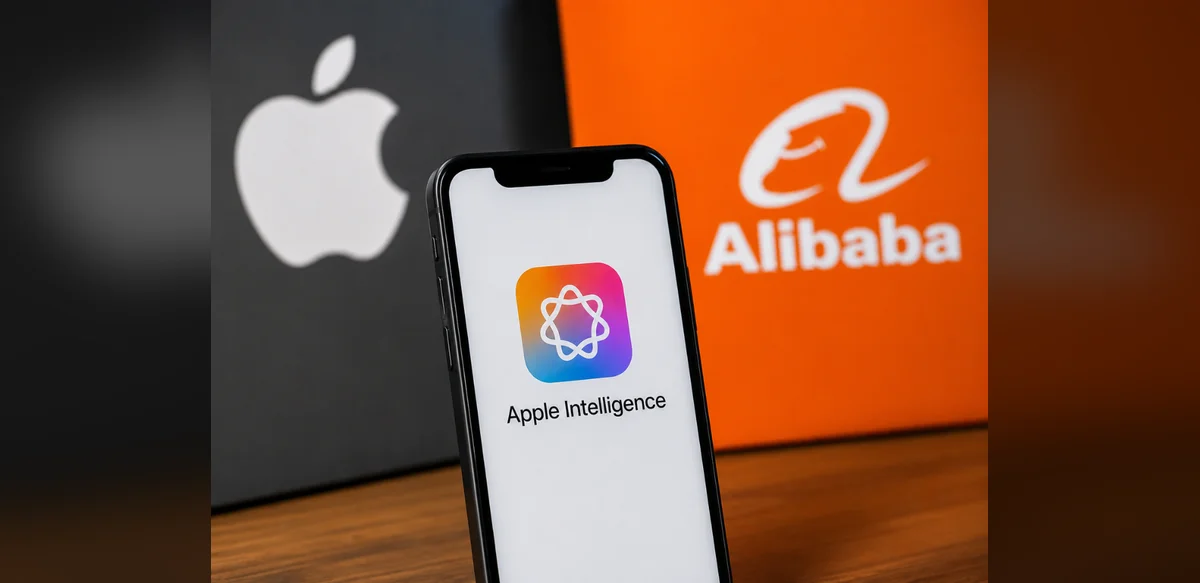
Recent reports indicate that Apple has developed a specialized artificial intelligence model designed specifically for the Chinese market. This effort involved collaboration with Alibaba to prepare for the introduction of Apple Intelligence features in the region.
The initiative comes as technology companies navigate varying regulatory environments across different countries. Developing localized versions of advanced systems allows for compliance with local standards while maintaining core functionalities.
Industry observers note that partnerships with established local firms can facilitate smoother integration of new technologies. Such collaborations often address unique market requirements including data handling and operational guidelines.
Apple Intelligence encompasses a range of features aimed at enhancing user experiences through intelligent assistance and automation. Adapting these capabilities for specific regions involves careful adjustments to ensure relevance and adherence to applicable rules.
The reported training of the model represents a step toward broader availability of these tools. Companies frequently invest significant resources in customizing artificial intelligence solutions to meet diverse global demands.
Analysts suggest that this approach could set precedents for how international technology providers expand their offerings. It highlights the importance of strategic alliances in navigating complex international landscapes.
Users in China may eventually benefit from tailored experiences that align with local preferences and infrastructure. The process underscores ongoing efforts by major firms to balance innovation with regional considerations.
Further details on the timeline or specific technical aspects remain limited at this stage. The focus appears to be on ensuring readiness ahead of any formal rollout.
This development reflects broader trends in the technology sector where customization plays a key role in global expansion strategies. Partnerships like the one described can accelerate progress while addressing localized needs effectively.
Overall the move signals continued investment in artificial intelligence by leading companies seeking to serve diverse audiences worldwide.


