

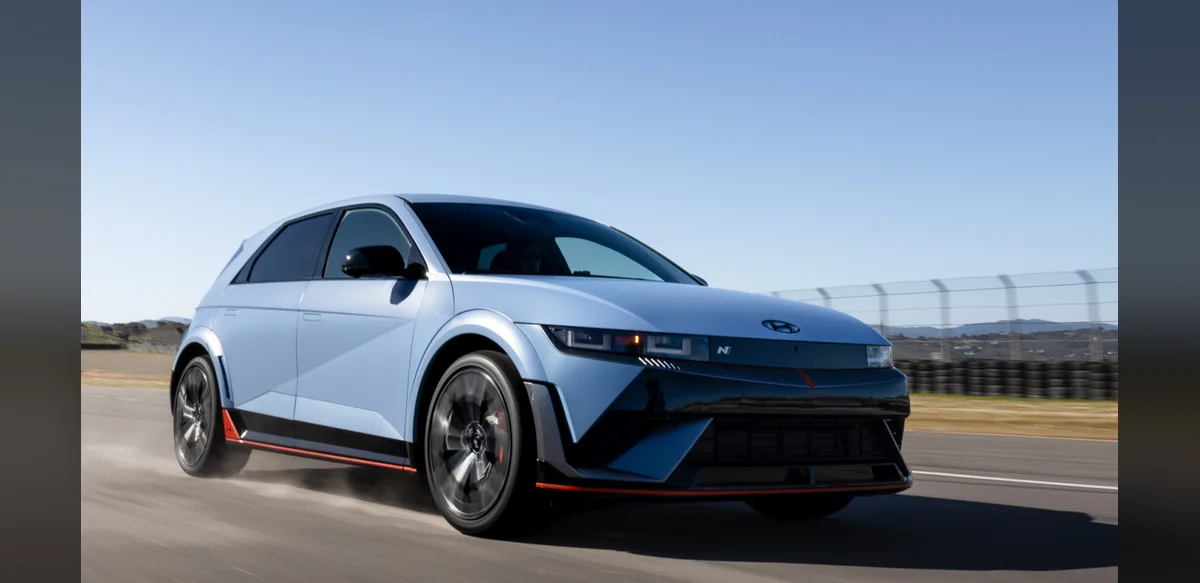
Many drivers maintain lists of vehicles they would like to own but find currently priced beyond their immediate budget. Market dynamics often lead to gradual reductions in used car values over time, allowing more buyers to enter the segment later. This process, known as depreciation, varies widely depending on model popularity, production numbers, fuel efficiency ratings, and overall economic conditions.
Automotive analysts note that certain performance-oriented models retain strong resale prices for years after launch. Buyers hoping to acquire these cars at lower costs monitor auction results and dealer inventories closely. Factors such as limited supply, strong brand reputation, and enthusiast demand contribute to slower value erosion in some cases.
The used vehicle market has experienced fluctuations influenced by supply chain issues and shifting consumer preferences toward electric options. Traditional internal combustion models may see accelerated price reductions as newer technologies gain traction. Industry reports indicate that average depreciation rates differ significantly across vehicle classes, with luxury sedans sometimes losing value more rapidly than compact crossovers.
Prospective purchasers often research historical pricing data to identify patterns. Vehicles that were once flagship offerings can become attainable after several model years when updated versions arrive. This cycle encourages patience among those tracking specific makes and models.
Economic indicators, including interest rates and fuel costs, play roles in determining how quickly values adjust. Regions with high demand for certain body styles may experience different trends compared to areas favoring practicality. Observers suggest that broader adoption of alternative powertrains could influence future depreciation curves for gasoline-powered cars.
Discussions among car owners frequently center on which upcoming or recent releases might follow predictable value paths. Reliable data from valuation services helps inform these conversations without guaranteeing outcomes. Market participants emphasize the importance of condition, mileage, and maintenance history when evaluating potential purchases.
Overall, the automotive sector continues to evolve with technological advancements and regulatory changes. Individuals interested in acquiring vehicles at reduced prices remain attentive to these developments, recognizing that timing and external variables affect final transaction amounts. Continued monitoring of industry trends provides insights into possible opportunities ahead.


