

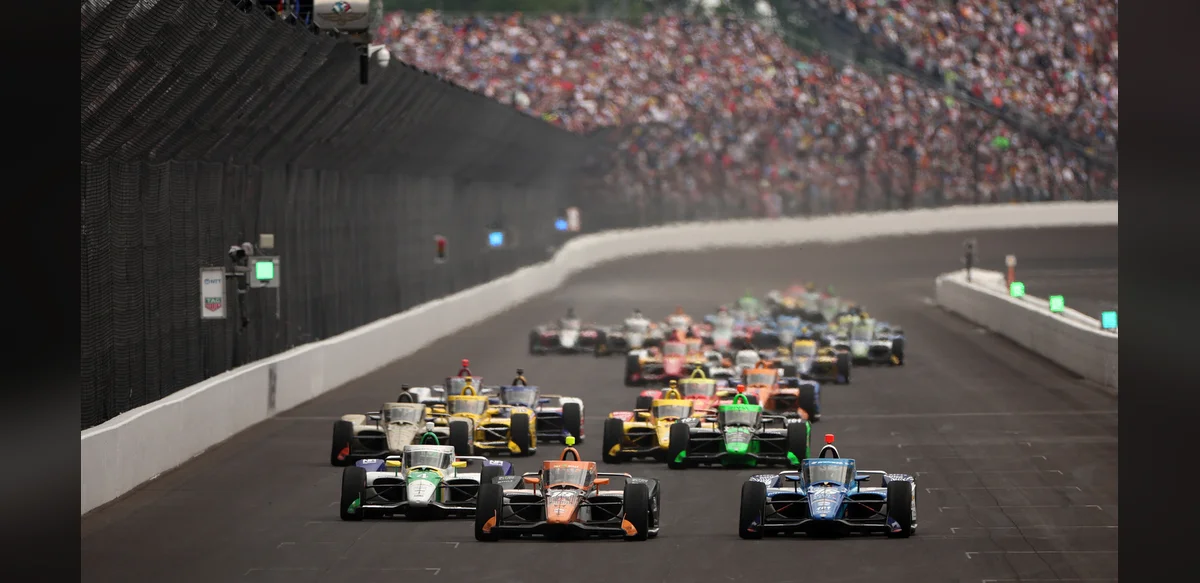
IndyCar represents the pinnacle of open-wheel motorsport competition in North America. Observers frequently discuss opportunities to enhance the series through various adjustments to its format and regulations. The current structure features a mix of oval tracks, road courses, and street circuits that test driver skills across diverse environments.
One area of focus involves safety enhancements. Modern racing demands continuous evaluation of vehicle design and track barriers to minimize risks during high-speed incidents. Proposals often include refined aerodynamic packages that reduce the likelihood of airborne crashes while maintaining competitive balance among teams.
Another consideration centers on scheduling. The calendar spans multiple months with events in different regions. Adjustments could involve optimizing travel logistics to reduce fatigue for crews and participants. This might include clustering races geographically or incorporating additional rest periods between events.
Technical regulations also attract attention. Engine specifications and chassis rules evolve over time to promote innovation and cost control. Suggestions include exploring hybrid power units that align with broader automotive trends toward efficiency without compromising performance.
Fan engagement represents a key element for long-term growth. Broadcast options, timing of sessions, and access to data during races can influence viewer interest. Neutral observers note that clearer explanations of strategic decisions during events might help broader audiences follow developments more easily.
Cost management remains relevant for smaller teams. Participation expenses cover equipment, personnel, and transportation. Measures such as standardized components or shared resources could help maintain a level playing field while encouraging new entrants.
The series has historically balanced tradition with adaptation. Past changes to qualifying procedures and points allocation demonstrate efforts to keep competition engaging. Future modifications would likely build on this foundation while addressing contemporary challenges in motorsport.
Environmental considerations appear in discussions about sustainable practices. Fuel formulations and waste reduction at events offer avenues for alignment with global priorities. Implementation would require collaboration among organizers, manufacturers, and venues.
Driver development pathways connect to the overall health of the sport. Feeder series and training programs influence the talent pool available for top-level competition. Strengthening these connections could ensure a steady supply of skilled competitors.
Overall, multiple avenues exist for refining IndyCar operations. Each potential change carries implications for safety, competitiveness, and accessibility. Stakeholders continue to evaluate options based on data from recent seasons and feedback from involved parties.


