

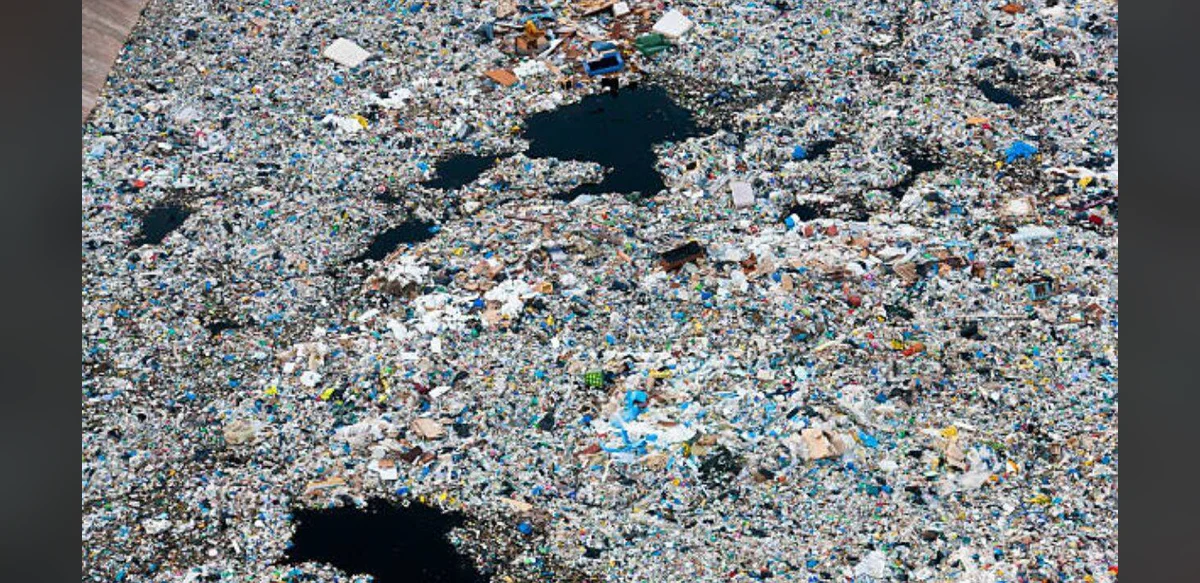
In the expansive waters of the Pacific Ocean between Hawaii and California lies a vast accumulation of plastic waste covering 1.6 million square kilometers. This area contains a mix of larger items such as nets and ropes along with numerous tiny fragments known as microplastics. The presence of these materials creates ongoing risks for sea life in the region. Sea creatures often ingest plastic pieces thinking they are food sources while others become caught in lost fishing equipment that remains active in the water.
The scale of this debris field highlights the widespread distribution of plastic pollution across remote ocean zones. Materials range from discarded ropes to minute particles that blend into the water column. Marine animals face direct hazards from both ingestion and entanglement in abandoned gear. Such interactions can disrupt natural behaviors and survival patterns for various species inhabiting these waters.
Observers note that the debris does not form a solid landmass but instead spreads as a dispersed collection of floating and submerged items. The concentration reaches levels of around fifty kilograms of plastic material in each square kilometer. This density contributes to persistent challenges for the ecosystem as plastics break down over time into smaller components. Wildlife encounters with these fragments occur frequently throughout the affected zone.
The location between Hawaii and California serves as a convergence point for ocean currents that gather and retain plastic waste from distant sources. Items like fishing nets continue to pose entrapment risks long after they are lost or discarded. Microplastics add another layer of concern by entering the food chain at multiple levels. Animals that consume these particles may experience internal blockages or reduced nutrient absorption.
Efforts to understand the full extent of the debris involve mapping its boundaries and composition across the large area. The rotating nature of the accumulation means materials shift gradually with water movements while remaining concentrated in the central region. This dynamic keeps the overall footprint stable at approximately 1.6 million square kilometers. Marine species ranging from fish to larger mammals navigate through waters containing these pollutants daily.
Plastic debris in this part of the Pacific includes both visible larger objects and invisible smaller particles that affect water quality. The threats extend to entanglement in ghost nets that drift freely and capture unintended targets. Ingestion of microplastics by smaller organisms can lead to transfer up the food web. These processes illustrate the interconnected impacts on ocean biodiversity in the specified area.
The accumulation between the two landmasses represents one of the more studied examples of ocean plastic concentration. Data indicate consistent levels of fifty kilograms per square kilometer across the expanse. Such figures underscore the volume of material involved and the corresponding pressure on marine habitats. Animals mistaking plastics for prey or becoming trapped remain primary concerns for researchers tracking the site.
Currents in the Pacific play a role in maintaining the debris within its current boundaries while allowing gradual addition of new items. The mix of ropes nets and microplastics creates a complex environment for sea life to traverse. Entanglement and ingestion represent the main pathways through which wildlife experiences negative effects. Continued observation helps document how these factors influence populations over extended periods.
Overall the plastic field in the Pacific demonstrates the reach of human generated waste into open ocean environments. The 1.6 million square kilometer area contains materials that persist and fragment further contributing to long term ecological pressures. Marine animals face repeated exposure through mistaken consumption or physical restriction by fishing gear remnants. This situation persists as a notable feature of the waters between Hawaii and California.


