


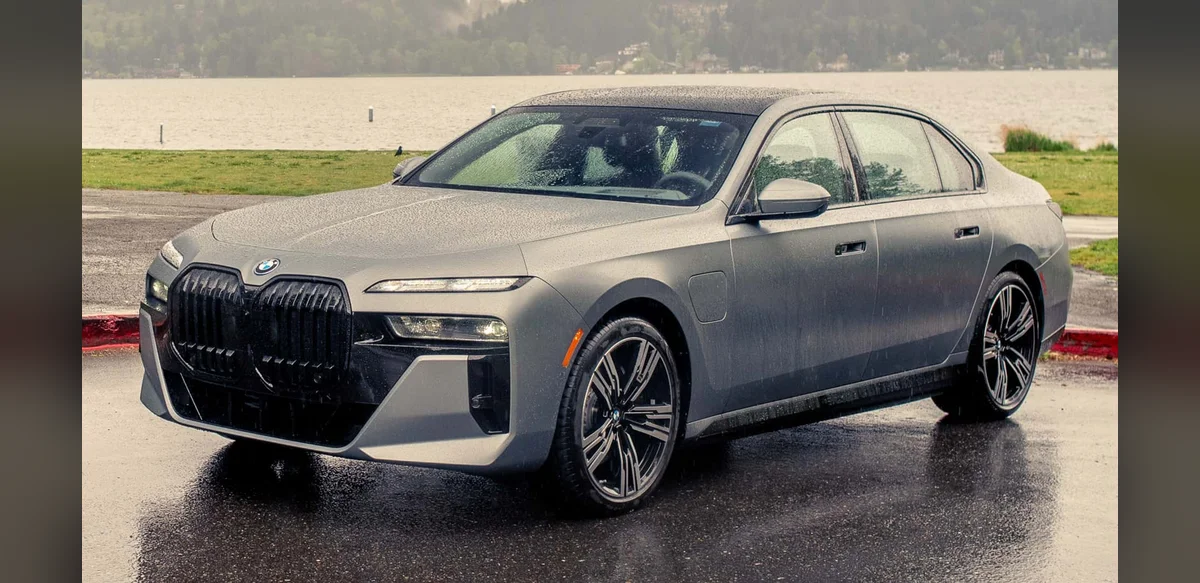
BMW has announced a recall involving 27,720 sedans due to a defect in the driveshaft. This issue may interrupt power delivery to the rear wheels and, in uncommon cases, increase the chance of unintended vehicle movement when parked. The company is offering complimentary repairs at authorized dealerships to address the concern.
The recall highlights the importance of regular vehicle maintenance and prompt attention to manufacturer notifications. Owners of affected models are advised to contact their local dealer to schedule an inspection and necessary fixes at no cost. This process ensures that any potential problems with the driveshaft assembly are resolved before they lead to operational difficulties.
Driveshafts play a critical role in transmitting torque from the engine to the wheels, enabling smooth and controlled movement. When a defect occurs in this component, it can disrupt the balance of power distribution, particularly in rear-wheel-drive configurations common among many sedan models. Although the risk of rollaway remains rare according to available information, the manufacturer prioritizes proactive measures to maintain safety standards.
Vehicle recalls serve as a standard industry practice to correct identified issues that could affect performance or safety. In this instance, the focus remains on the driveshaft problem and its possible effects on power transmission and parking stability. BMW has communicated that all repairs will be handled efficiently through its dealer network, minimizing inconvenience for owners.
Drivers are encouraged to review any recall notices received and verify their vehicle’s status using official channels provided by the manufacturer. Early action helps prevent complications that might arise from the defect during everyday use. The free repair program underscores the commitment to customer safety and vehicle reliability.
Broader discussions around automotive safety often emphasize the value of addressing component-specific concerns through structured recall campaigns. This approach allows for targeted interventions that restore full functionality without requiring owners to bear additional expenses. In the case of the driveshaft defect, the emphasis is on restoring proper power delivery and eliminating the low-probability rollaway scenario.
Owners should prepare for a straightforward service visit where technicians will examine and, if needed, replace or adjust the affected driveshaft parts. The procedure is designed to be completed efficiently, returning the vehicle to optimal condition. Communication from BMW includes clear instructions on next steps to facilitate participation in the recall.
The scale of the recall, covering 27,720 units, reflects the manufacturer’s thorough assessment of vehicles potentially impacted by the manufacturing variance. By extending the offer of free repairs, BMW aims to resolve the matter comprehensively across the affected population. This initiative aligns with established protocols for managing quality-related matters in the automotive sector.
Continued vigilance regarding vehicle performance remains advisable for all drivers. Any unusual sensations or behaviors, such as changes in power delivery, should prompt immediate professional evaluation. The current recall provides a direct pathway for addressing the specified driveshaft concern in the identified sedans.
In summary, the recall represents a measured response to a technical issue with defined parameters. Through dealer-based repairs at no charge, the process supports ongoing vehicle safety and operational integrity for owners of the affected models. BMW continues to monitor and respond to such matters as part of its standard quality assurance efforts.

