

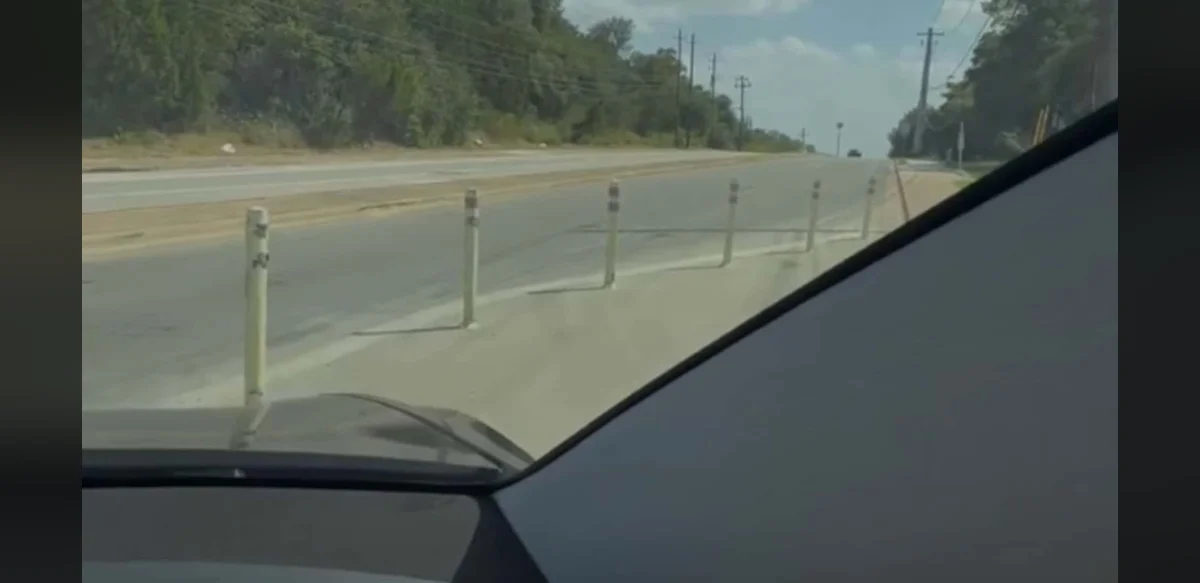
Recent observations from Austin have drawn attention to an event involving an autonomous vehicle operated by Tesla. The vehicle encountered fixed bollards while navigating city streets, prompting renewed examination of the firm’s statements regarding its safety performance. This occurrence has led industry observers to consider the implications for plans involving fully unsupervised operations without human oversight.
The incident occurred amid ongoing efforts to expand driverless services in select urban areas. Company representatives have previously highlighted rigorous testing protocols and advanced sensor systems designed to prevent collisions. However, the encounter with stationary obstacles has introduced discussion about how such systems respond in real-world conditions where unexpected barriers may appear.
Analysts note that claims of exceptional safety records are central to public acceptance of autonomous technology. Any reported contact with infrastructure elements like bollards can influence perceptions among regulators, potential users, and municipal authorities responsible for approving wider deployment. In this case, the event has surfaced questions about the transition from supervised testing to complete autonomy.
Local transportation officials have not issued formal statements beyond confirming that standard incident reporting procedures were followed. Video footage circulating online shows the vehicle making contact with the bollards before coming to a stop. No injuries were reported, and the vehicle remained operational following the contact.
Broader conversations within the automotive sector emphasize the challenges of scaling autonomous systems across varied environments. Factors such as road layout, temporary installations, and dynamic urban changes require continuous refinement of navigation algorithms. The Austin event serves as one data point in ongoing evaluations of these capabilities.
Tesla has maintained that its vehicles incorporate multiple layers of redundancy to handle diverse scenarios. Engineers continue to analyze sensor data and operational logs to identify any adjustments needed for future routes. Such reviews are described as routine parts of development for complex transportation technologies.
Public discourse has included both support for innovation in mobility solutions and calls for thorough verification before large-scale rollout. Stakeholders ranging from safety advocates to technology investors are monitoring developments closely. The balance between rapid advancement and demonstrated reliability remains a key theme.
Further details may emerge as additional information from onboard systems becomes available. In the meantime, the focus stays on understanding how autonomous vehicles interact with fixed urban features and what measures can enhance performance in similar situations. This process aligns with standard practices in the field of automated transportation research.
Observers expect continued scrutiny as more vehicles enter service without drivers. The outcome of these examinations could shape timelines for expansion into additional cities and influence policy decisions at various levels of government. Neutral assessment of each reported event contributes to a clearer picture of progress and remaining hurdles.
Overall, the Austin occurrence underscores the importance of transparent data sharing and methodical analysis in the evolution of self-driving technology. Companies involved are encouraged to provide comprehensive updates to maintain confidence among all parties affected by these advancements.


