

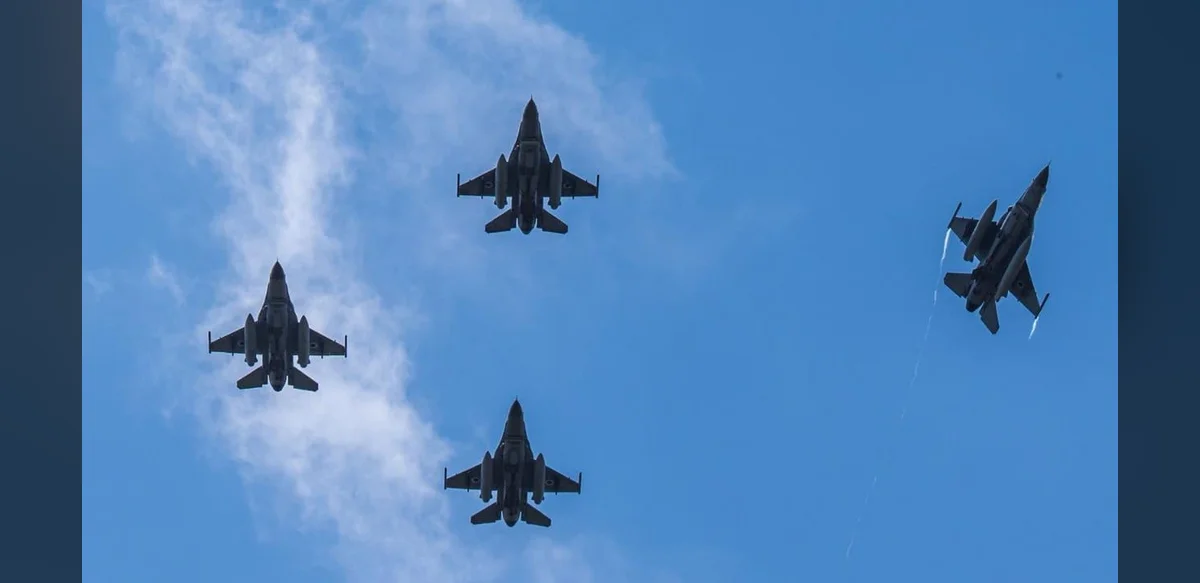
Reports indicate that Israeli forces carried out strikes in Syria in response to growing concerns regarding the expansion of Turkish military presence in the area. Officials in Ankara have dismissed claims from Jerusalem suggesting that the movement of Turkish troops breaches established arrangements and endangers Israeli security interests.
The situation has drawn attention to ongoing regional dynamics involving multiple nations. Jerusalem expressed apprehension that recent Turkish deployments could alter the balance in the region, potentially affecting stability along shared borders. In response, Ankara maintained that its actions remain within the bounds of prior understandings and do not constitute a direct challenge to neighboring states.
Diplomatic channels appear to be active as both sides seek to clarify positions without escalation. Observers note that such exchanges highlight the delicate nature of military positioning in contested zones. The rejection from Ankara underscores a difference in interpretation regarding what constitutes a violation of longstanding norms.
Further details on the strikes remain limited, with authorities providing minimal information on targets or outcomes. This approach is common in sensitive operations where precise disclosures could influence broader developments. Analysts suggest that the event reflects deeper tensions tied to influence and security calculations in the Middle East.
Regional actors continue to monitor the developments closely. The interplay between military actions and diplomatic statements often shapes perceptions of intent and risk. In this instance, the focus rests on whether the Turkish presence aligns with or deviates from previous agreements.
Public statements from involved parties emphasize the need for restraint while asserting respective security priorities. Jerusalem has framed its response as necessary to address perceived threats, whereas Ankara has positioned its deployments as routine and non-threatening. This divergence in narrative illustrates the challenges of managing overlapping interests in a complex geopolitical setting.
Efforts to de-escalate may involve third-party mediation or bilateral discussions aimed at reaffirming boundaries. Historical precedents show that similar incidents can lead to either renewed dialogue or prolonged friction depending on subsequent steps taken by all sides. The current episode adds to a pattern of cautious maneuvering in the area.
Information from official sources continues to evolve, with updates expected as assessments of the strikes and their implications become clearer. Neutral observers stress the importance of verifying claims through multiple channels to avoid misinterpretation. The core disagreement centers on the status of Turkish forces and their potential impact on regional security calculations.
Overall, the episode serves as a reminder of how military movements and responses can quickly become points of contention. Both capitals have reiterated commitments to their own defensive postures while rejecting accusations of destabilizing behavior. Continued attention from international bodies may help clarify the path forward and reduce the likelihood of further incidents.
The reporting of these events relies on available statements and contextual understanding of longstanding regional issues. As more information surfaces, the picture may gain additional layers, but the immediate facts revolve around the strikes and the subsequent rejection of related allegations. This maintains a focus on factual reporting without speculation on unconfirmed outcomes.


