

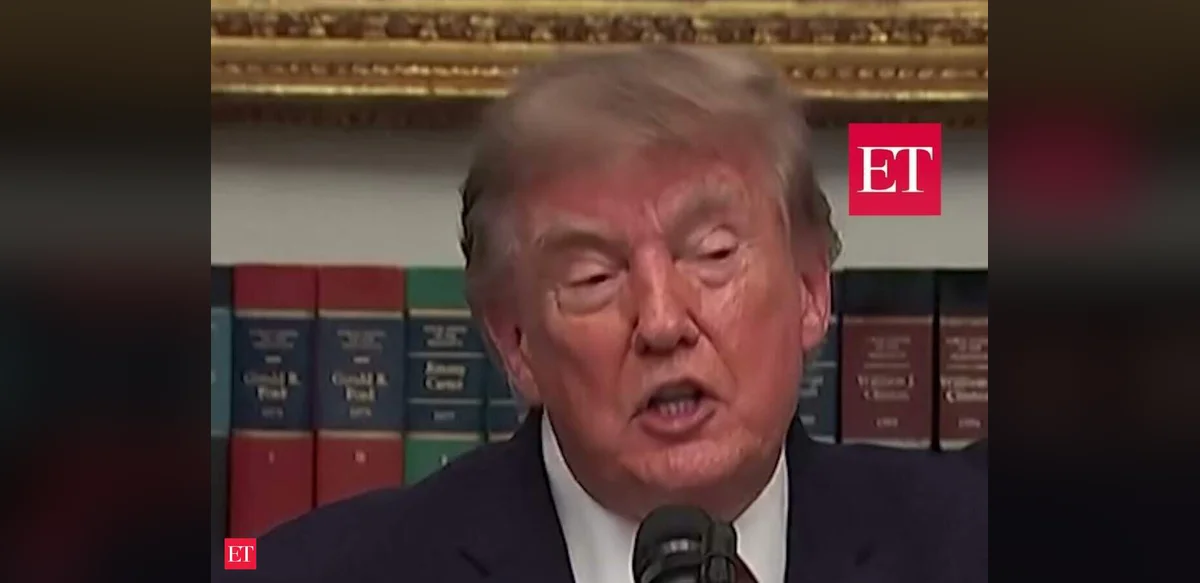
President Donald Trump announced a delay in imposing 50 percent tariffs on Canadian goods, indicating that a deal with Canada is likely in the near future. The decision comes amid ongoing discussions between the two nations regarding trade policies and economic relations.
The tariffs were initially set to take effect as part of broader measures aimed at addressing trade imbalances. Trump stated that negotiations are progressing positively and expressed optimism about reaching an agreement that would benefit both countries. Officials from both sides have been engaged in talks to resolve outstanding issues related to cross-border commerce.
Canada has been a key trading partner for the United States, with significant volumes of goods exchanged daily across various sectors including energy, automotive parts, and agricultural products. Any changes in tariff structures could have wide-reaching effects on supply chains and pricing for consumers in both nations.
Industry leaders have welcomed the delay, noting that immediate implementation of high tariffs might disrupt established business operations. Companies reliant on Canadian imports have been monitoring developments closely to adjust their strategies accordingly.
The announcement follows several rounds of diplomatic engagements where representatives discussed mutual economic interests. Trump emphasized the importance of fair trade practices while maintaining strong bilateral ties with Canada.
Analysts suggest that the postponement provides additional time for detailed negotiations, potentially leading to compromises on specific trade barriers. Both governments are expected to continue dialogue in the coming weeks to finalize terms.
Economic observers point out that tariffs of this magnitude could influence inflation rates and market stability if enacted without resolution. The delay allows for further assessment of potential impacts on domestic industries.
Public statements from the administration highlight a preference for negotiated solutions over unilateral actions in this case. Trump reiterated his commitment to protecting American economic interests while seeking cooperative outcomes with international partners.
Canadian officials have responded by affirming their readiness to engage constructively in further talks. The focus remains on achieving balanced agreements that support growth and stability for both economies.
This development is part of a larger pattern of trade policy adjustments involving multiple countries. Similar discussions are underway with other trading partners to address comparable concerns.
The extended timeline for tariff implementation is seen as a positive step toward de-escalation. Stakeholders across sectors are hopeful that continued negotiations will yield sustainable resolutions.
Further updates are anticipated as talks progress, with emphasis on transparency and mutual benefits. The situation underscores the complexities of international trade dynamics in the current global environment.


