


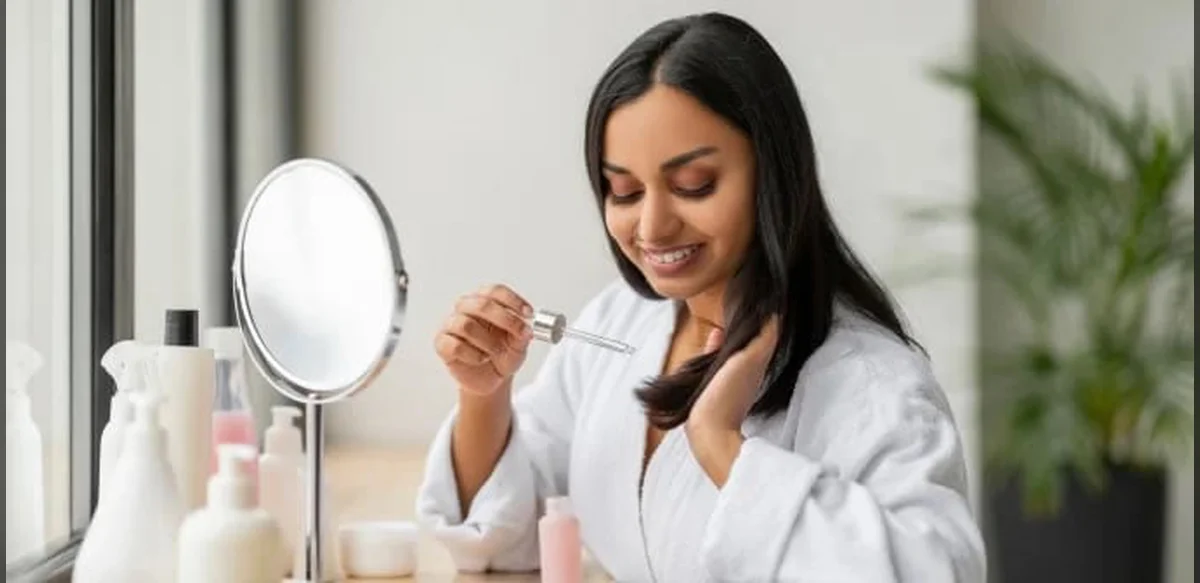
Hair oiling has long been a central element in daily grooming routines across South Asian households. This practice involves massaging oils into the scalp and strands, often before washing, as a way to maintain hair health. Recent discussions highlight its continued relevance, supported by observations on how it affects hair structure and appearance.
Scientific examinations have pointed to several mechanisms through which oiling may benefit hair. One key aspect is the reduction of protein loss from the hair shaft. Hair is primarily composed of keratin, a protein that can degrade due to washing, styling, or environmental exposure. Applying oil creates a protective layer that limits this loss during cleansing processes.
Another noted effect is decreased friction between hair strands. When hair is dry or tangled, mechanical stress from combing or brushing can lead to breakage. Oils help smooth the cuticle surface, allowing strands to glide more easily and reducing damage over time. This contributes to improved manageability, making hair easier to style and less prone to knots.
Protection against external factors also plays a role. Oils can form a barrier that shields hair from moisture loss and minor irritants. In regions with varying climates, this layer assists in keeping hair supple. Users often report that regular application leads to hair that feels softer and appears shinier after consistent use.
The tradition draws from generations of accumulated knowledge passed within families. Common oils include coconut, sesame, and mustard varieties, each selected based on availability and personal preference. Application methods vary, with some preferring overnight treatments while others opt for shorter durations before rinsing.
Modern interest in these methods has grown alongside broader attention to natural care approaches. While individual results differ, the core principles remain tied to the physical properties of oils interacting with hair fibers. Experts in dermatology have examined these interactions in controlled settings, confirming measurable impacts on tensile strength and moisture retention in some cases.
Cultural continuity ensures that hair oiling persists even among younger generations. It serves not only functional purposes but also as a moment of self-care within busy schedules. Educational resources and community sharing have helped sustain awareness of proper techniques, such as warming the oil slightly or using targeted massage patterns to stimulate the scalp.
Challenges in contemporary settings include finding suitable oils free from additives and adapting routines to urban lifestyles. Nevertheless, the foundational benefits related to protein preservation, friction reduction, and overall protection continue to underpin its status as a reliable practice. Ongoing research may further clarify optimal application frequencies and combinations for different hair types.
In summary, hair oiling endures due to its alignment with observable hair care outcomes. By addressing basic structural needs of hair, it maintains relevance across diverse contexts while rooted in longstanding customs. Individuals interested in trying it are encouraged to start with small amounts and observe personal responses over several weeks.

