


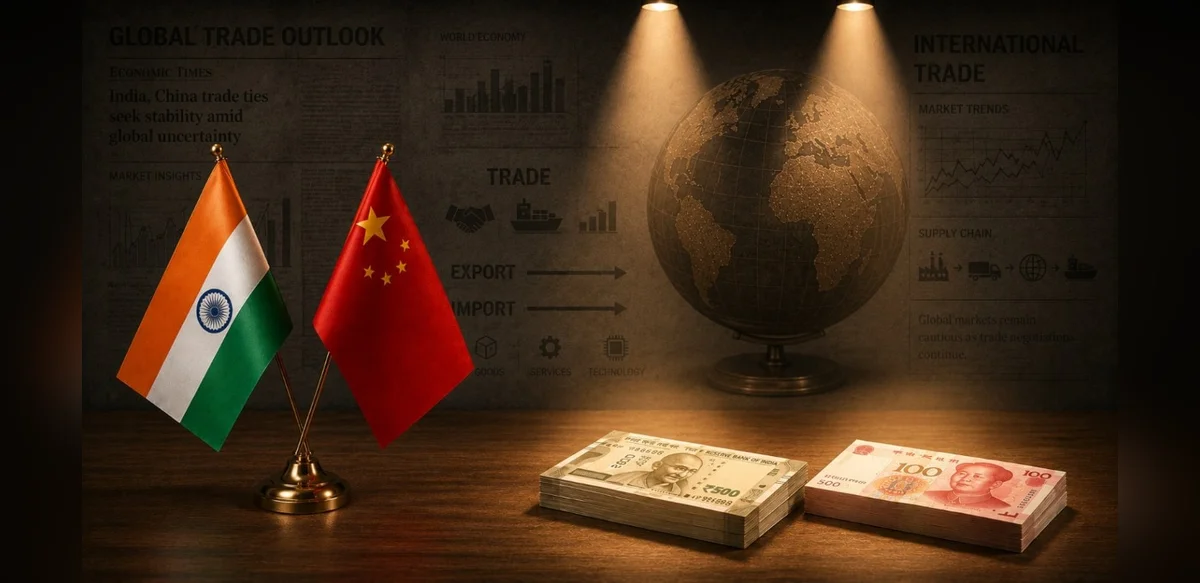
India has recorded a higher gross domestic product growth rate than China for the first time in several decades. Official data released recently show India expanding at a faster pace amid global economic shifts. This development marks a notable shift in comparative performance between the two Asian giants.
Analysts note that India’s growth stems from strong domestic consumption and investment in infrastructure. Government initiatives in manufacturing and digital services have contributed to the momentum. In contrast, China faces challenges from a slowing property sector and weaker export demand.
Despite the headline figures, experts caution against viewing the result as a decisive win. China’s overall economy remains significantly larger in absolute terms. Its per capita income and industrial base continue to exceed India’s by wide margins.
The comparison highlights differences in economic structure and policy focus. India benefits from a younger population and rising middle class spending. China has emphasized technological self-reliance and high value manufacturing over recent years.
Observers point out that sustained growth requires addressing structural issues in both nations. For India, challenges include improving ease of doing business and expanding formal employment. China must manage debt levels and stimulate private sector confidence.
International institutions have revised forecasts upward for India while maintaining cautious outlooks for China. The International Monetary Fund projects India to remain among the fastest growing major economies. Global supply chain diversification has also played a role in attracting investment to India.
The milestone comes at a time of evolving geopolitical dynamics. Trade tensions and regional cooperation frameworks influence economic strategies. Both countries continue to pursue reforms aimed at long term stability.
Data revisions and base effects can influence year on year comparisons. Economists recommend examining multiple indicators beyond headline growth rates. These include employment trends, inflation control and fiscal health.
Public discourse in India has welcomed the news as validation of recent policy measures. At the same time, commentators stress the need for inclusive development that reaches rural and semi urban areas.
Looking ahead, the trajectory will depend on global conditions such as commodity prices and monetary policy in major economies. Domestic reforms in taxation, labor laws and education will also shape outcomes.
The episode underscores the importance of consistent data transparency and independent verification. Reliable statistics enable better policy decisions and investor confidence.
In summary, India’s faster growth rate represents progress on its development path. It does not diminish the scale of challenges that remain for both economies in achieving broad based prosperity.

