

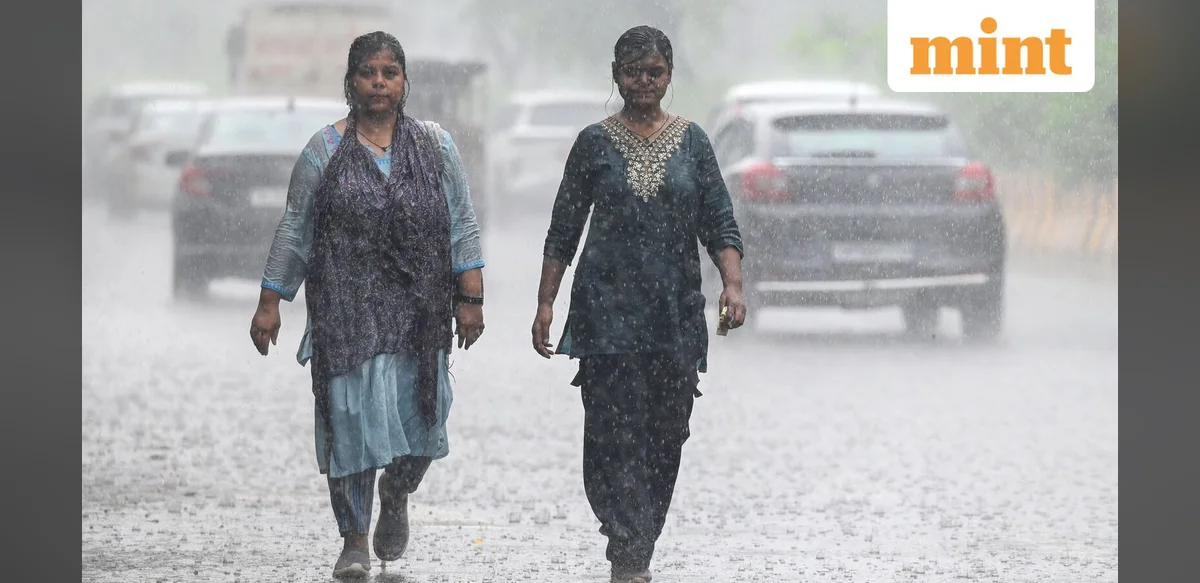
Delhi experienced unusually low temperatures on a recent Tuesday in July, marking the coldest such day in three years. Persistent heavy rainfall led to extensive water accumulation in multiple urban areas, disrupting normal movement and daily routines for residents. Several localities reported significant pooling of water on streets, which contributed to prolonged delays in vehicular traffic throughout the day.
The downpour affected neighborhoods across the capital, creating challenges for commuters and local authorities alike. Roads in key zones became difficult to navigate, with vehicles moving slowly or coming to a standstill in affected stretches. Emergency services worked to manage the situation by clearing drains and assisting stranded individuals where possible.
Meteorological observations noted that the combination of rain and cooler air resulted in temperatures dropping below typical July averages. This shift prompted comparisons with previous years, highlighting the rarity of such conditions during the peak monsoon period. Residents adapted by using alternative routes and adjusting travel plans to account for the disruptions.
In parallel developments, authorities in Odisha issued alerts regarding potential flooding in vulnerable districts. The warning emphasized preparedness measures for areas prone to water overflow during intense rainfall events. Local administrations coordinated with disaster response teams to monitor river levels and ensure safety protocols were in place.
The situation in Delhi underscored ongoing monsoon-related issues in northern urban centers, where infrastructure faces strain from sudden heavy precipitation. Officials continued assessments of affected zones to evaluate damage and plan remedial actions. Public advisories encouraged caution while traveling and avoiding low-lying spots prone to accumulation.
Further reports from Odisha focused on vigilance along riverbanks and coastal regions. The flood alert aimed to minimize risks to communities by providing timely information on rising water levels. Coordination between state agencies helped disseminate updates through various channels to reach the widest possible audience.
Overall, the weather patterns reflected typical monsoon variability, with localized impacts varying by region. In Delhi, the focus remained on restoring normalcy after the intense showers, while Odisha prepared for possible escalation. Both areas highlighted the importance of timely alerts and community awareness during the rainy season.
Continued monitoring by weather services provided updates on evolving conditions, allowing for adjustments in response strategies. The events served as a reminder of the need for resilient urban planning to handle extreme weather episodes effectively. Residents in impacted zones were advised to stay informed through official sources for any further developments.
This combination of cooler temperatures in the capital and flood preparedness in the east illustrated the diverse challenges posed by the current monsoon phase across different parts of the country. Authorities emphasized collaborative efforts to address immediate concerns while planning for long-term mitigation.


