

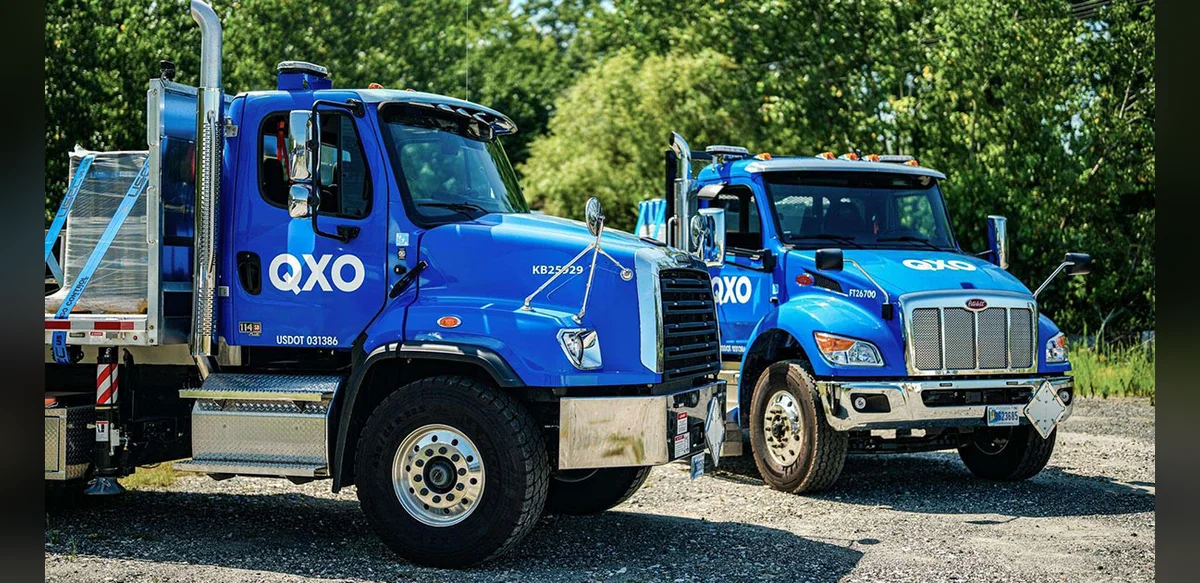
Firms appearing on the 2026 Transport Topics ranking of the largest private carriers continue to illustrate the advantages that come with operating their own truck fleets. These organizations maintain direct oversight of transportation resources, allowing them to align delivery performance with overall business objectives.
Maintaining an internal fleet supports consistent service levels. Companies can schedule routes according to their specific production and distribution needs rather than relying on external schedules. This control often results in more predictable arrival times and reduced variability in supply chain timing.
Cost management remains a central consideration. By owning and operating trucks, these carriers can monitor fuel consumption, maintenance schedules, and driver utilization more closely. Such visibility helps identify areas where expenses can be contained without compromising operational reliability.
The balance between service quality and expenditure is achieved through careful planning. Fleet managers evaluate route efficiency, vehicle specifications, and staffing levels to ensure resources match demand patterns. Adjustments are made based on internal data rather than third-party availability.
Private fleets also provide flexibility during periods of fluctuating demand. When volumes increase, additional capacity can be deployed from within the organization. During slower periods, utilization can be optimized across different business units.
Safety and compliance standards are upheld through dedicated training programs and equipment standards. Companies set their own protocols that reflect the nature of the cargo and the routes traveled. This approach supports regulatory adherence while addressing unique operational requirements.
Investment in modern equipment forms part of the strategy. Updated vehicles often deliver improved fuel economy and lower emissions, contributing to both cost savings and environmental goals. Decisions about fleet renewal are guided by long-term ownership economics.
Driver retention receives attention as well. Stable employment conditions and familiarity with company procedures can reduce turnover compared with some outsourced arrangements. Experienced drivers contribute to consistent performance and lower incident rates.
Overall, the organizations on the list demonstrate that private carriage remains a viable option for balancing service expectations with financial discipline. Their continued presence on the ranking reflects ongoing evaluation of fleet operations against available alternatives.
Industry observers note that the value of in-house fleets extends beyond immediate transportation tasks. Integration with warehousing, production scheduling, and customer delivery commitments creates a coordinated system that supports broader corporate objectives. This integration is difficult to replicate when transportation is fully outsourced.
Data collection plays a supporting role. Telematics and maintenance records provide detailed insights into vehicle performance and operating costs. These metrics inform decisions about equipment replacement, route adjustments, and staffing levels.
The 2026 list therefore serves as a reference point for companies considering similar strategies. It shows that private carriage can deliver measurable benefits when service requirements and cost controls are managed in tandem.


