

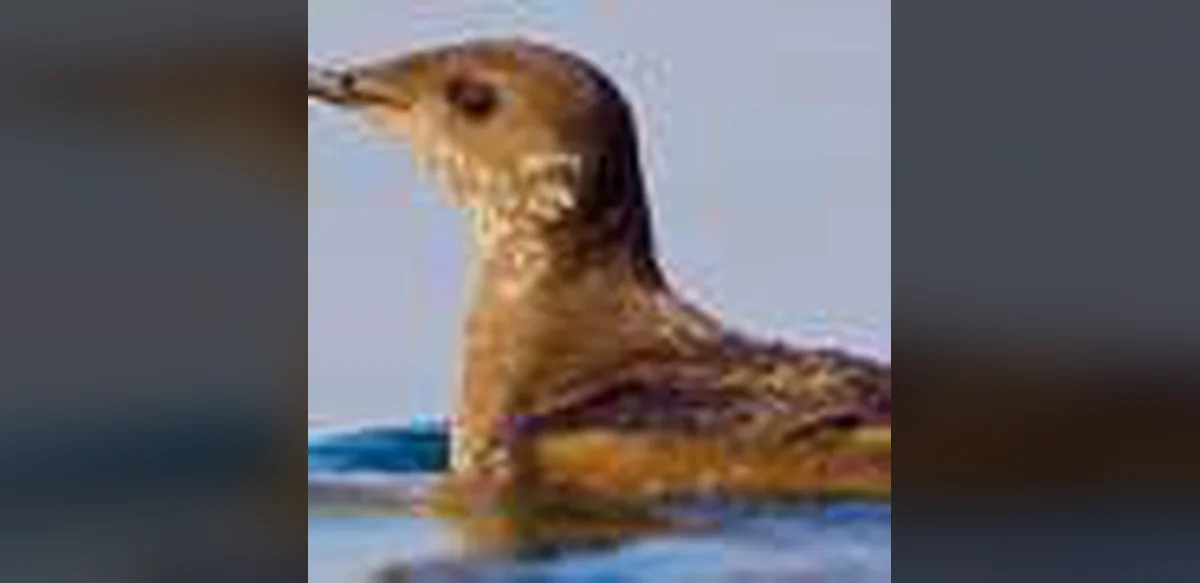
A team of researchers recently located the first known marbled murrelet nest on Haida Gwaii in over thirty years. The find highlights ongoing efforts to monitor seabird populations in the region. The expedition began with a challenging boat crossing of Dixon Entrance. Crew members traveled in an open skiff through large ocean swells and salt spray before reaching the northern shores.
Once ashore the group moved inland through thick vegetation. They navigated dense salal bushes in low light conditions while passing between large western red cedar trees. The terrain required careful movement to avoid damage to the surrounding forest floor. Team members carried equipment needed for documenting any potential nesting sites.
Marbled murrelets are small seabirds that nest in old growth forests rather than on open cliffs or beaches. Their breeding habits make them difficult to study because nests are often hidden high in the canopy. The species has faced population pressures from habitat loss and other environmental factors. Locating active nests provides valuable data for conservation planning.
The search involved systematic surveys of suitable forest areas. Researchers used established protocols to minimize disturbance while checking for signs of nesting activity. After several days of effort the team identified a nest site that had not been recorded in recent decades. Documentation included photographs and notes on the surrounding habitat without approaching too closely.
This discovery adds to existing knowledge about murrelet distribution along the British Columbia coast. Previous records from Haida Gwaii date back more than thirty years indicating possible changes in nesting patterns over time. Scientists plan to continue monitoring the area in future seasons to gather additional information.
The expedition combined marine travel with terrestrial fieldwork. Conditions during the ocean crossing required attention to safety and weather. Once in the forest the team adapted to limited visibility and thick vegetation. These elements reflect the logistical demands of studying species in remote coastal environments.
Local ecosystems in northern Haida Gwaii support a range of wildlife. Western red cedars form part of the old growth stands preferred by murrelets for nesting. The presence of salal and other understory plants creates the dense cover that helps conceal nests from predators. Understanding these habitat features assists in identifying priority areas for protection.
Further analysis of the nest location will contribute to broader studies on seabird ecology. Data collected can inform models of population trends and habitat suitability. Collaboration among researchers helps ensure consistent methods across different field sites.
The recent find underscores the value of sustained survey work in areas where historical records exist. Renewed searches can reveal whether nesting activity has persisted undetected or returned after a period of absence. Such information supports evidence based approaches to wildlife management.
Overall the project demonstrates the combination of marine and forest based methods required for this type of research. Continued observations will help track the status of marbled murrelets in the region over coming years.


