


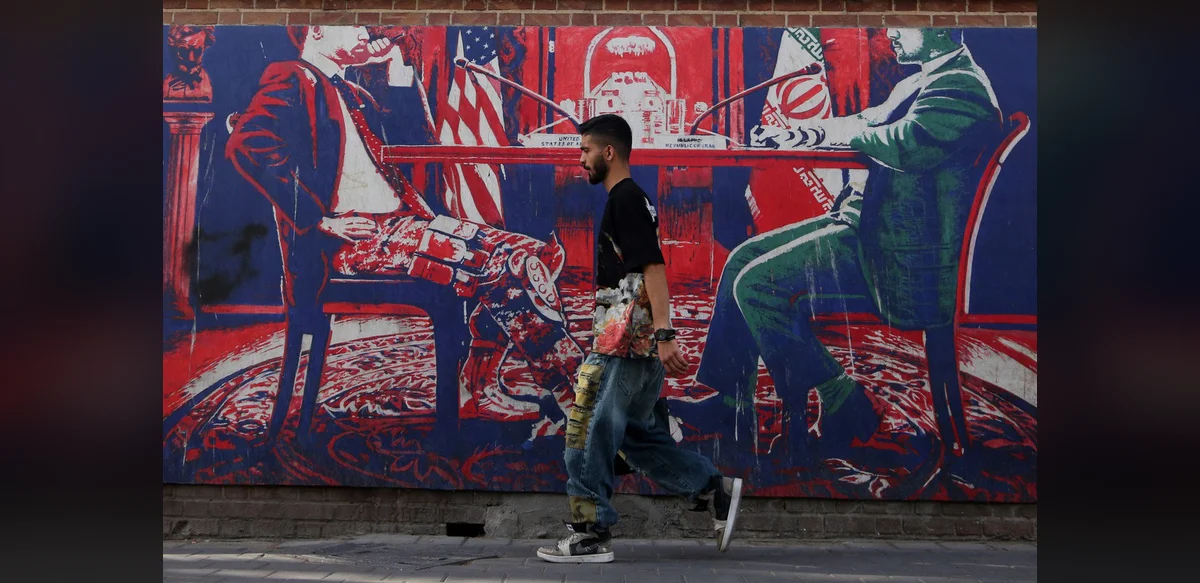
Iran has issued a stern warning to its neighboring nations, cautioning them against participating in what it describes as an American-led economic campaign targeting the country. The statement comes amid heightened tensions over international sanctions and trade restrictions that have affected regional economies.
Officials in Tehran emphasized that any cooperation with external pressures could strain bilateral relations and lead to reciprocal measures. The message was directed particularly at countries sharing borders with Iran, highlighting the importance of maintaining economic independence and regional solidarity.
The United States has maintained a series of sanctions aimed at limiting Iran’s access to global financial systems. These measures have impacted oil exports, banking transactions, and various commercial activities. Iranian authorities argue that such policies constitute an unfair form of economic pressure rather than legitimate diplomatic tools.
Neighboring states have faced difficult choices in balancing their ties with both Iran and Western powers. Some have sought to preserve trade routes and energy partnerships while navigating compliance requirements from international bodies. The recent warning adds another layer of complexity to these ongoing negotiations.
Analysts note that the region has long been sensitive to shifts in economic alliances. Disruptions in supply chains for goods, fuel, and raw materials could have ripple effects across multiple borders. Local businesses and governments are monitoring developments closely to assess potential risks.
Iran’s position reflects broader concerns about sovereignty and resistance to external influence in domestic affairs. The government has repeatedly called for dialogue based on mutual respect rather than coercive tactics. Regional forums have occasionally served as platforms for discussing these issues, though progress remains limited.
Several countries in the area have expressed interest in de-escalating tensions through backchannel communications. Efforts to find common ground on trade facilitation and security cooperation continue despite the challenges posed by differing international alignments.
The economic landscape in the Middle East remains interconnected, with shared infrastructure projects and cross-border investments playing significant roles. Any escalation in rhetoric could influence investor confidence and long-term planning for development initiatives.
Public statements from Iranian representatives have stressed the need for unity among nations facing similar external pressures. They argue that collective resilience offers the best defense against policies perceived as detrimental to regional stability.
International observers are watching how these warnings translate into practical policy decisions. Past episodes of similar tensions have sometimes led to adjustments in trade volumes or temporary halts in certain exchanges.
The situation underscores the delicate balance required in managing relations between major global actors and their regional partners. Economic interdependence often requires careful calibration to avoid unintended consequences for civilian populations and commercial sectors.
Further updates are expected as diplomatic engagements unfold in the coming weeks. Both sides have indicated willingness to explore avenues for reducing friction while upholding core interests.
Regional experts emphasize that sustainable solutions will likely involve multilateral discussions addressing the root causes of economic disputes. Such approaches could help mitigate risks associated with unilateral actions.
In the meantime, markets in affected areas are adjusting to the uncertainty. Currency fluctuations and commodity price movements have been observed in response to the latest developments.
Governments are advising their citizens and enterprises to remain informed and prepared for various scenarios. Contingency planning is underway in several capitals to safeguard essential supplies and services.
The overall tone from Tehran suggests a firm stance on protecting national interests without closing doors to future cooperation under changed circumstances. This approach aims to deter alignment with external campaigns while leaving room for pragmatic engagement.
As the story develops, additional details on specific countries mentioned or potential responses may emerge. The focus remains on maintaining stability and open lines of communication across the region.

