

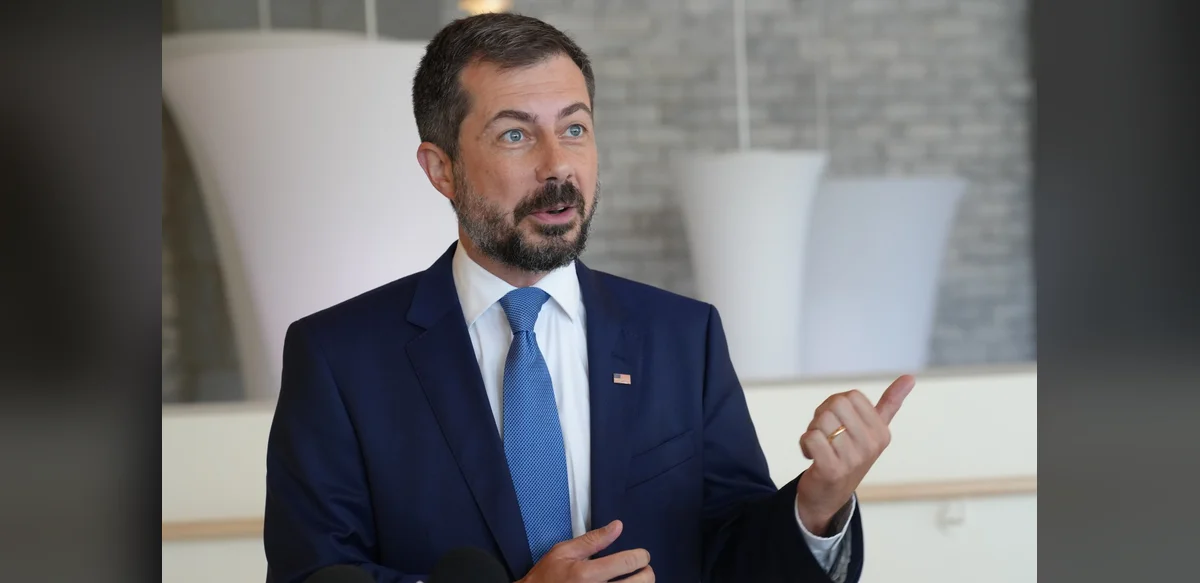
Pete Buttigieg has returned to South Carolina in an effort to connect with Black voters who played a key role in limiting his performance during the 2020 presidential primaries. The visit marks a deliberate step to rebuild relationships in a state where his earlier campaign struggled to gain traction among key demographic groups.
During his previous run, Buttigieg finished far behind other candidates in the South Carolina primary. That outcome highlighted challenges in reaching voters who prioritize issues such as economic opportunity, healthcare access, and criminal justice reform. Observers noted that his message at the time did not fully resonate with communities that have historically influenced Democratic outcomes in the state.
In recent appearances, Buttigieg has focused on listening sessions and local discussions rather than large rallies. He has met with community leaders and residents in Orangeburg and surrounding areas to hear concerns directly. These conversations cover topics including job creation, education funding, and infrastructure improvements that affect daily life for many families.
Supporters describe the current outreach as more grounded and attentive to local priorities. They point to his record in national service and transportation policy as evidence of practical experience that could translate into broader appeal. Critics, however, question whether the shift in approach will overcome past perceptions of limited connection to the state’s diverse electorate.
The Democratic primary process in South Carolina often serves as an early indicator of candidate strength among Black voters nationwide. Success here can influence momentum heading into later contests. Buttigieg’s team appears aware of this dynamic and has adjusted its strategy accordingly.
Local residents have expressed a range of views on the renewed visits. Some welcome the attention and the opportunity to discuss policy details in person. Others remain cautious, citing the need for sustained engagement beyond campaign seasons.
Buttigieg has emphasized themes of unity and shared progress in his remarks. He has highlighted the importance of inclusive economic growth and fair access to public services. These points align with broader party discussions about building coalitions that reflect the country’s changing demographics.
The current political environment presents additional layers of complexity. National debates over voting rights, economic recovery, and social equity continue to shape voter priorities. Candidates must navigate these issues while demonstrating genuine understanding of regional differences.
Buttigieg’s schedule includes stops at historically significant locations and smaller gatherings designed to foster dialogue. Organizers have worked to ensure representation from various community organizations. The goal is to create space for open exchange rather than one-way messaging.
Analysts note that rebuilding trust requires consistent presence over time. One-time visits rarely suffice when past results showed significant gaps. The campaign appears to recognize this and has signaled plans for follow-up events.
Voter turnout patterns in South Carolina primaries underscore the influence of organized community networks. Candidates who invest in these networks often see improved results. Buttigieg’s recent activities suggest an attempt to strengthen such ties.
The overall effort reflects a common challenge in presidential campaigns: adapting strategies based on earlier feedback. Adjustments in tone, focus, and outreach methods can influence perceptions among undecided or previously skeptical groups.
As the primary season approaches, attention will remain on how well Buttigieg and other candidates connect with voters across the state. South Carolina’s role as an early test continues to draw interest from both participants and observers.
Buttigieg has also addressed national issues during his time in the state, linking them to local impacts. Discussions have touched on transportation improvements, clean energy initiatives, and support for small businesses. These topics aim to demonstrate relevance to everyday concerns.
Community feedback so far has been mixed but engaged. Participants in recent events have asked pointed questions about implementation timelines and measurable outcomes. Such exchanges provide candidates with direct insight into voter expectations.
The return visit underscores the competitive nature of Democratic primaries and the importance of every early state. Building a broad base of support remains essential for any candidate seeking the nomination.
Observers will continue to monitor developments in South Carolina as the campaign progresses. The state’s voters have historically rewarded candidates who demonstrate both policy substance and personal connection.
Buttigieg’s team continues to refine its message and outreach methods. The focus remains on sustained interaction rather than short-term visibility. Whether this approach yields improved results will become clearer in the coming months.

