

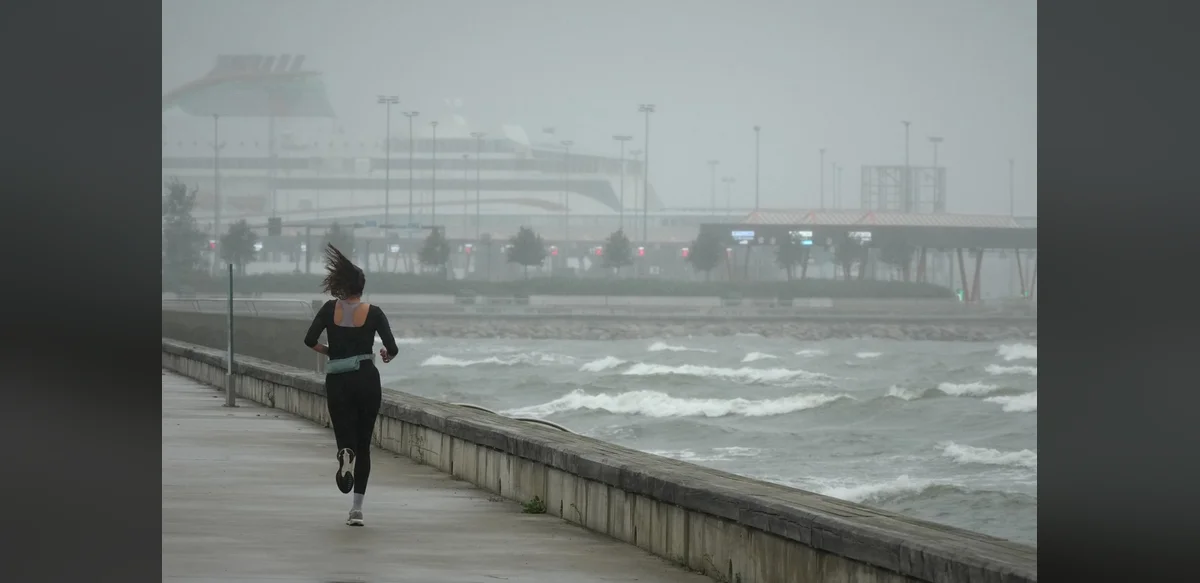
A powerful cyclone swept through parts of the Baltic region over the weekend, resulting in two fatalities and leaving approximately five hundred thousand residents without electricity in Latvia and Lithuania. The storm brought intense rainfall along with gusty conditions that persisted from Saturday into Sunday morning.
Authorities in the affected countries reported that the cyclone caused significant disruptions to daily life and infrastructure. Emergency services worked through the night to address fallen trees, damaged power lines, and other hazards created by the high winds. Officials urged residents to remain cautious and avoid unnecessary travel until conditions improved.
The loss of power affected homes, businesses, and public services across wide areas of both nations. Utility companies began restoration efforts immediately, though full recovery was expected to take several days due to the scale of the damage. Temporary shelters were opened in some locations to assist those without heat or lighting.
Meteorological agencies had issued warnings ahead of the storm, highlighting the potential for strong winds and heavy precipitation. Residents were advised to secure outdoor items and prepare for possible outages. The cyclone’s path brought it directly across the Baltic states, where its effects were felt most acutely.
In the aftermath, government representatives expressed condolences to the families of the victims and pledged support for recovery operations. Assessments of the total impact on agriculture, transportation, and other sectors were underway. International weather monitoring services tracked the system as it moved through northern Europe.
Power outages left many communities in darkness, prompting calls for patience as crews prioritized the most critical repairs. Hospitals and other essential facilities relied on backup generators to maintain operations. Public transportation schedules were altered in several cities because of the weather-related issues.
The event underscored the vulnerability of regional infrastructure to extreme weather. Climate experts noted that such storms have become more frequent in recent years, though detailed analysis would require further study. Local governments coordinated with national agencies to distribute resources where needed most.
Residents shared accounts of trees toppled onto roads and roofs damaged by the winds. Cleanup operations involved multiple agencies working together to clear debris and restore normalcy. Forecasts indicated that calmer weather would return by midweek, allowing full focus on rebuilding efforts.
This incident serves as a reminder of the importance of preparedness for severe weather events. Officials recommended that households maintain emergency supplies and stay informed through official channels during future storms. The combined effects in Latvia and Lithuania highlighted the shared challenges faced by neighboring countries in the Baltic area.


