

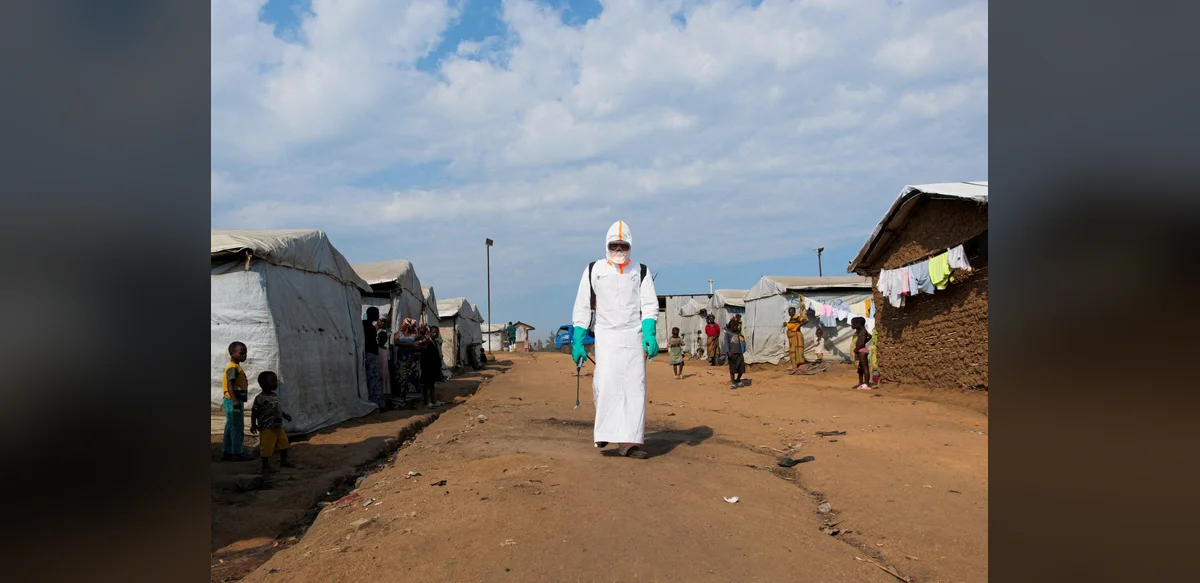
Health authorities have confirmed that the total number of Ebola infections recorded in the Democratic Republic of Congo has now reached 5,515. This figure reflects the latest update on the ongoing outbreak in the country. Along with the rise in cases, the proportion of deaths among those infected has increased to nearly 48 percent. Such a rate indicates that almost half of the individuals who contract the virus do not survive.
The development has prompted a prominent religious figure to call for coordinated efforts from the international community. The appeal emphasizes the need for collective measures aimed at preserving human lives and containing the spread. Officials continue to monitor the situation closely while stressing the importance of timely medical intervention and support for affected communities.
Reports highlight that the current statistics underscore the severity of the health challenge facing the nation. With the fatality rate approaching one in two, the urgency for additional resources and expertise has become evident. International organizations are being urged to step up assistance in order to improve survival outcomes and limit further transmission.
Local health teams are working to identify new cases quickly and provide care to those already affected. The focus remains on strengthening response mechanisms and ensuring that necessary supplies reach the areas most in need. The call for global solidarity reflects the recognition that diseases of this nature require a unified approach beyond national borders.
As the numbers stand at 5,515 confirmed infections, attention is directed toward both immediate treatment and longer-term strategies to prevent resurgence. The nearly 48 percent fatality rate serves as a stark reminder of the risks involved. Continued vigilance and external support are viewed as essential components in addressing the crisis effectively.
The situation in the Democratic Republic of Congo illustrates the broader implications of infectious disease outbreaks in regions with limited infrastructure. Efforts to lower the death rate through improved access to care are ongoing. The appeal from the religious leader adds weight to the request for worldwide cooperation in safeguarding public well-being.
Authorities stress that every effort must be made to reduce the impact on families and communities. With the current data showing significant loss of life, the priority is to mobilize additional aid and expertise. The target remains to bring down both new infections and the overall fatality proportion through sustained action.
In summary, the Ebola outbreak continues to present a serious challenge, with 5,515 cases documented and a fatality rate near 48 percent. The call for global action seeks to rally resources and commitment to save as many lives as possible under these difficult circumstances.


