

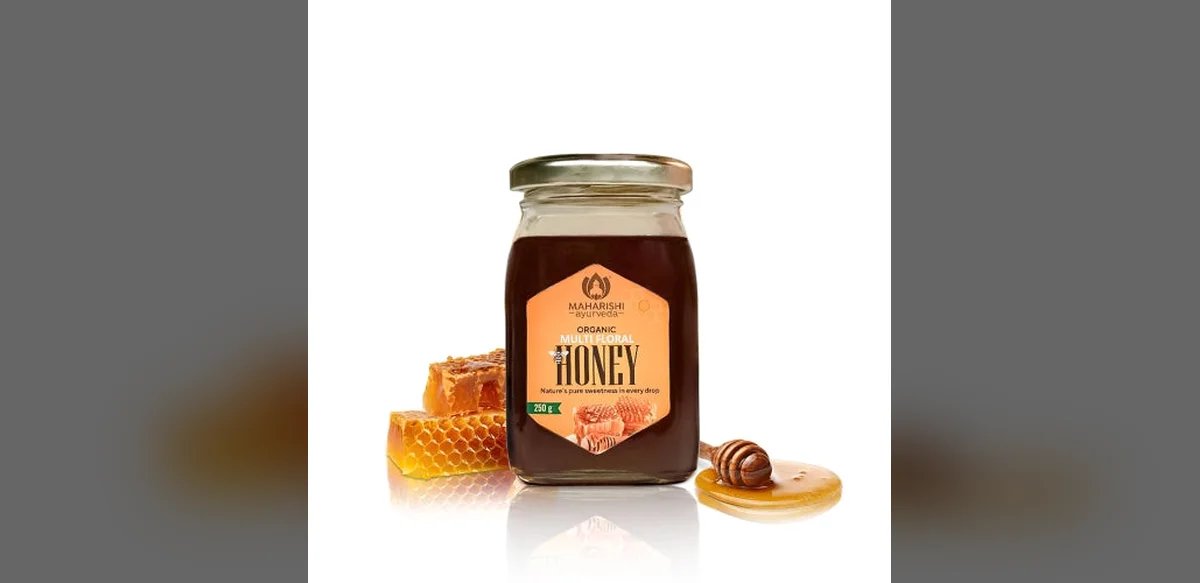
Honey has long been valued in traditional Indian wellness systems for its potential contributions to skin care routines. Known in ancient texts as Madhu, it features in various preparations aimed at cleansing and soothing the skin. Contemporary studies have investigated its abilities to retain moisture, limit microbial growth and provide antioxidant effects. This overview presents established uses, reported advantages, sample applications and key precautions without endorsing specific products.
Ayurvedic principles describe honey as sweet and astringent in taste, with drying qualities that may help balance bodily energies known as doshas. Practitioners have historically applied it for its scraping, purifying and restorative attributes, particularly in addressing concerns such as excess oil, blemishes and uneven tone. These concepts continue to inform modern interest in natural ingredients.
Research highlights several mechanisms through which honey may support skin health. Its humectant nature draws water into the outer skin layer, potentially reducing moisture loss. Antimicrobial compounds can inhibit certain bacteria, which some users associate with fewer breakouts. Antioxidants present in honey may neutralize free radicals linked to premature aging signs like fine lines.
Different varieties receive attention based on origin and processing. Raw and organic forms retain more natural enzymes compared with heavily filtered versions. Manuka honey, sourced from specific New Zealand and Australian flora, shows elevated antibacterial activity in laboratory tests. Classical Ayurvedic classifications list eight types, each with distinct properties suited to particular skin conditions, though individual responses vary.
For acne management, thin applications of raw honey on affected areas may calm inflammation and discourage infection due to its natural acidity and hydrogen peroxide content. When combined with gentle exfoliants, it can assist in clearing pores without harsh chemicals. Users often report reduced redness after consistent but moderate use.
Dry skin benefits from honey’s moisture-binding capacity. Mixing it with nourishing liquids such as milk creates a simple mask that leaves the surface feeling softer. This approach suits colder months when transepidermal water loss increases. Application two to three times weekly allows observation of tolerance.
Healing support for minor scars and spots involves multiple pathways. Honey encourages new tissue formation and blood vessel development while its anti-inflammatory effects limit swelling. The barrier it forms protects healing skin from external irritants. Ayurvedic descriptions emphasize both cleansing of dead cells and regeneration of healthy layers.
Antioxidant components, including flavonoids and phenolic acids, help counter oxidative stress that breaks down collagen. Regular inclusion in routines may therefore contribute to maintained firmness and reduced appearance of wrinkles over time. Results depend on overall lifestyle and skin type.
Exfoliation occurs through mild scraping action that removes surface debris and excess sebum. This process can promote brighter tone when paired with vitamin-rich additions like citrus juice. Care must be taken to avoid over-drying or irritation, especially on sensitive areas.
Practical combinations include honey with lemon for brightening, turmeric for complexion support, or aloe for cooling relief. Each mixture should be tested on a small patch first. Leave-on times range from ten to twenty minutes before rinsing with lukewarm water. Frequency of two to three sessions per week suits most individuals.
Safety considerations remain essential. Pure, unadulterated honey is preferable to flavored or processed alternatives. Those with allergies to bee products or pollen should consult professionals before use. Pregnant individuals or people with open wounds require additional medical advice. Over-application can lead to stickiness or clogged pores if not thoroughly removed.
Morning use may help refresh skin after overnight oil accumulation, while evening routines address daily environmental exposure. Adjustments based on personal observation ensure the practice remains comfortable and effective. Consistency rather than excess yields better outcomes.
Overall, honey’s multifaceted profile continues to attract attention in both traditional and scientific contexts. Its integration into skincare reflects broader interest in plant-derived ingredients with documented properties. Individuals seeking natural options can explore these methods while prioritizing quality sourcing and patch testing. Further clinical research will clarify optimal concentrations and long-term effects across diverse populations.


