

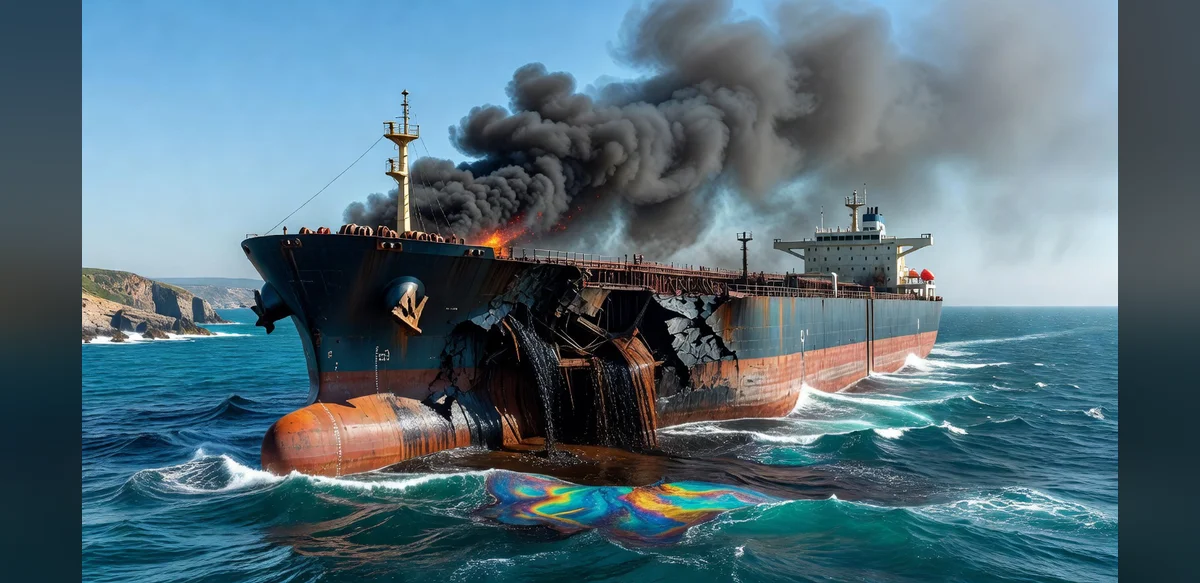
A vessel owned by Saudi interests sustained damage in waters off the northern Red Sea. The incident occurred approximately 63 nautical miles west of Yanbu and involved a very large crude carrier with a deadweight tonnage of 320926. Reports indicate the strike took place on August 24 and marks an extension of ongoing actions against vessels linked to the kingdom.
Yanbu serves as a key outlet for crude shipments from Saudi Arabia. The location provides an alternative path that avoids certain southern routes. The event highlights risks to maritime traffic in the region and potential effects on energy transport schedules.
Maritime authorities in the United Kingdom noted the occurrence through their trade operations channels. Such notifications help inform commercial operators about conditions in international waters. Shipping companies often adjust routes or security measures based on these updates.
The carrier involved was engaged in routine transit when the strike happened. Details about the extent of damage or any injuries remain limited in initial accounts. Authorities continue to monitor the situation and gather additional information from the area.
This development adds to a series of reported incidents affecting vessels connected to Saudi interests. Analysts observe that the northern Red Sea has seen increased activity in recent periods. The choice of Yanbu as a target area underscores its strategic role in export logistics.
Industry observers note that disruptions in this corridor could influence global crude movement patterns. Alternative pathways may see higher usage if operators seek to minimize exposure. Insurance costs for voyages through affected zones have drawn attention from market participants.
Local port operations at Yanbu focus on handling large volumes of petroleum products. The facility supports both domestic needs and international deliveries. Any interference with inbound or outbound traffic can create ripple effects across supply chains.
Regional tensions have previously impacted commercial navigation in the Red Sea. Operators rely on coordinated intelligence to maintain safe passage. The latest report reinforces the need for vigilance among crews and fleet managers.
Further assessments by maritime security firms are expected in the coming days. These evaluations typically include recommendations for vessel routing and defensive preparations. Governments and private entities track developments closely to protect economic interests tied to energy exports.
The scale of the vessel underscores the importance of the route for bulk crude transport. Very large carriers play a central role in moving substantial quantities of oil across long distances. Their involvement in such events draws particular scrutiny from regulators and traders alike.
Public statements from involved parties have so far remained measured. Emphasis has been placed on confirming facts before drawing broader conclusions. Continued monitoring will clarify any long-term implications for regional shipping lanes.
Overall the incident illustrates ongoing challenges in maintaining secure maritime corridors. Stakeholders across the energy sector remain attentive to updates from official sources. Future reports may provide more context on operational responses and route adjustments.

