

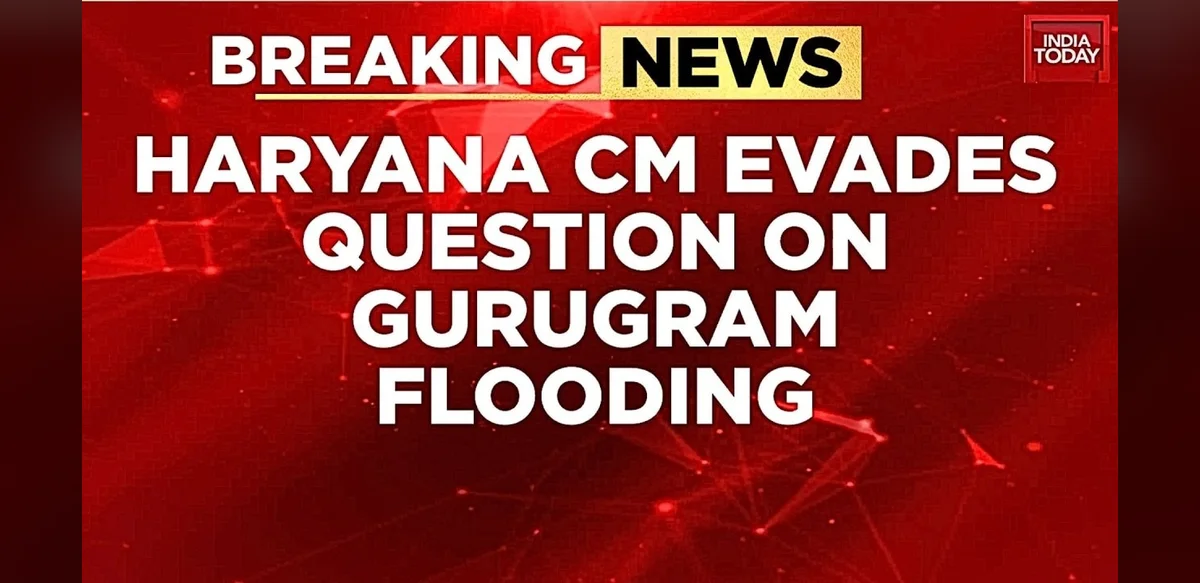
In a recent public interaction, the Haryana Chief Minister declined to address queries concerning flooding issues in Gurugram. The exchange occurred amid ongoing concerns over water management in the region. As a reporter attempted to pose questions, security personnel moved to separate the individual from the official, limiting further discussion.
The incident highlights challenges in direct communication between state leadership and media representatives on matters of local infrastructure and environmental response. Observers noted that the Chief Minister proceeded without providing detailed responses at the time. Security measures appeared standard for such events but drew attention due to the physical intervention.
Gurugram has faced repeated instances of water accumulation during monsoon periods, affecting daily commutes and residential areas. Local authorities have previously outlined plans for improved drainage systems, though implementation timelines remain under review. Residents continue to express frustration over delays in addressing these recurring problems.
The brief encounter was captured on video and circulated widely, prompting discussions about access to elected representatives. No official statement from the state government followed immediately after the event. Media outlets reported the sequence without additional commentary on the underlying causes of the flooding.
State officials have emphasized ongoing efforts to coordinate with municipal bodies for better preparedness ahead of seasonal rains. These include assessments of existing waterways and proposals for upgrades in high-risk zones. Independent evaluations suggest that urban expansion has contributed to strain on natural drainage patterns.
Reporters covering regional developments often seek clarification on policy execution during public appearances. In this case, the interaction concluded without elaboration from the Chief Minister. The focus remained on maintaining order around the official rather than engaging on specific topics.
Broader conversations in the area continue regarding long-term solutions for flood mitigation. These involve collaboration between state and local agencies to enhance infrastructure resilience. Public records indicate multiple meetings held to review progress on related projects.
The event underscores the dynamics of press access in political settings. Security protocols are designed to ensure safety, yet they can influence the flow of information. No further details emerged from the Chief Minister’s side regarding immediate actions on the flooding concerns.
Analysts point to the need for transparent updates on disaster preparedness measures. Haryana administration has allocated resources for relief operations in affected districts. Monitoring of water levels and early warning systems forms part of routine protocols during the rainy season.
Video footage of the exchange has led to varied interpretations among viewers. Some highlight the reporter’s persistence, while others note the protective role of accompanying staff. The core issue of urban flooding persists as a topic of local interest.
Government communications have reiterated commitments to infrastructure development. These include surveys of vulnerable locations and coordination with technical experts. Progress reports are expected in subsequent official briefings.
The situation in Gurugram reflects wider patterns seen in rapidly growing urban centers. Effective management requires sustained investment and inter-agency cooperation. Residents await concrete outcomes from announced initiatives.
In summary, the Chief Minister’s response during the encounter avoided direct engagement on the flooding topic. Security actions prevented extended questioning. The matter of Gurugram’s water management continues to draw attention from citizens and observers alike.


