

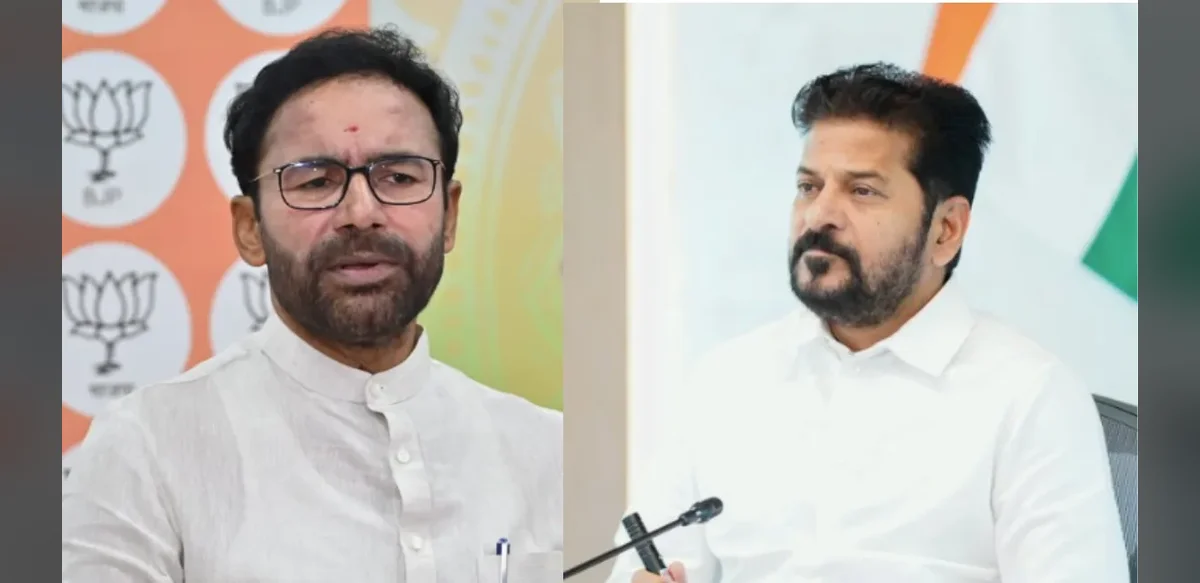
New Delhi officials addressed recent statements from Telangana leadership regarding a proposed overseas engagement. Union Minister G Kishan Reddy clarified on August 25 that the decision followed standard protocols rather than any partisan considerations. He emphasized that all high level foreign trips by state or central figures require prior approvals based on multiple criteria including the nature of meetings and alignment with broader national priorities.
The minister noted that the Telangana chief minister had planned a quick extension from an earlier London stop to the United States. External affairs authorities had already indicated that the itinerary did not match the appropriate level for such a visit and therefore withheld clearance. Reddy described the chief minister’s public remarks as lacking substance and suggested that proper channels should have been used instead of assigning blame elsewhere.
Reports had surfaced about intended meetings with certain international figures during the American portion of the trip. Reddy questioned whether contacts with individuals known for critical views toward Indian policies were appropriate. He highlighted that permissions for such travel consider factors like the background of participants and potential implications for diplomatic relations.
Additional scrutiny was placed on investment related discussions and educational initiatives promised by the state government. The minister recalled commitments made during election campaigns such as increased budget allocations for schooling and distribution of student support schemes. He asked for updates on progress toward those goals including plans for new institutions across districts.
Rules governing foreign visits have remained consistent across administrations since the country’s independence. Historical examples were cited where similar decisions occurred under previous governments without accusations of targeted discrimination. Recent approvals for other segments of the chief minister’s travel including a Harvard engagement and London project discussions were mentioned to illustrate the routine nature of the process.
The overall situation was framed as adherence to established procedures designed to protect national interests. As the state government approaches a milestone of nearly one thousand days in office attention was drawn to tangible outcomes in development and fulfillment of pledges. Public focus should remain on governance achievements rather than external disputes according to the minister’s remarks.
This exchange reflects ongoing interactions between central and state authorities on matters of protocol and policy execution. Observers note that such clarifications help maintain transparency in how official travel decisions are reached and communicated to the public.


