

Recent estimates from a market survey indicate that economic expansion in India during the first quarter of the fiscal year may have moderated to 7.4 percent. This figure represents the slowest pace recorded over the preceding four quarters. Analysts attribute the moderation to mixed performance across major sectors. Industrial output and services activity are viewed as continuing to lend support to overall growth. In contrast agricultural production appears to have faced headwinds linked to a later than usual start of seasonal rains.
The survey aggregates forecasts from multiple economists and research institutions. It provides a consensus view ahead of official data releases. Such polls serve as useful benchmarks for understanding expectations in the absence of final numbers. The projected rate remains positive yet signals a possible softening compared with earlier periods.
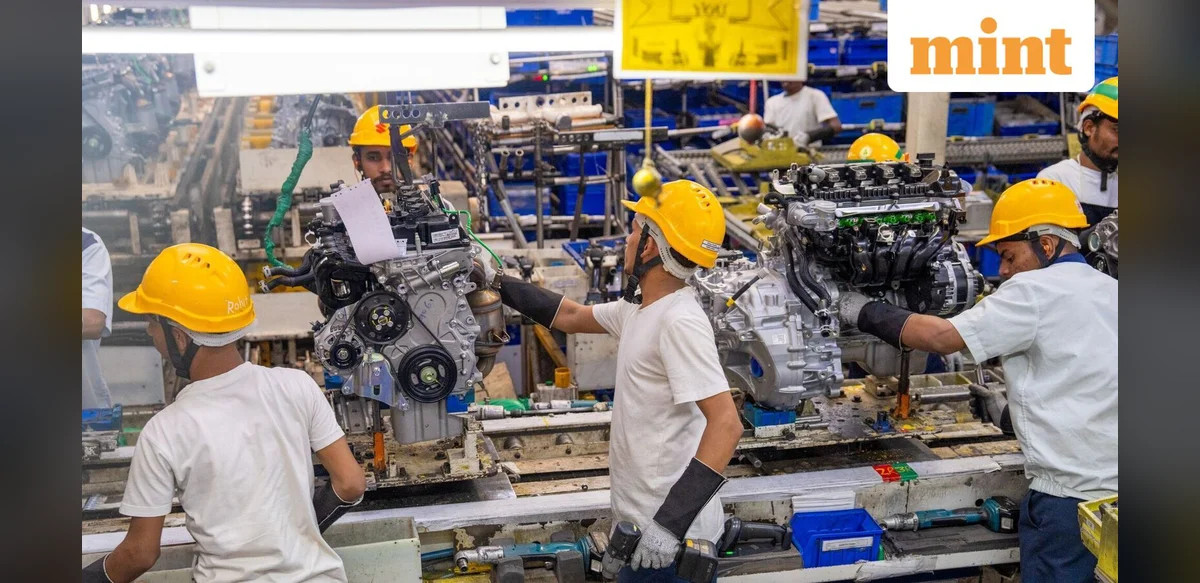
Sectoral patterns during the quarter reflect ongoing divergence. Manufacturing and related industrial segments maintained momentum supported by domestic demand and export orders. Service industries including information technology financial services and logistics also contributed steadily. These areas have shown resilience in recent times.
Agricultural activity on the other hand is believed to have experienced a slowdown. The delay in monsoon arrival affected sowing schedules for key crops. Rural incomes and related consumption patterns could face temporary pressure as a result. Policymakers often monitor these trends closely because agriculture still employs a large share of the workforce.
Overall the economy continues to expand at a solid clip even if the pace has eased somewhat. Global factors such as commodity prices and trade flows remain relevant influences. Domestic policy measures aimed at infrastructure and manufacturing capacity are expected to provide further impetus in coming quarters.
Market participants will watch upcoming official statistics for confirmation of these preliminary assessments. Revisions to growth estimates are common once more complete data become available. The current projection underscores the importance of balanced development across sectors to sustain momentum.
Observers note that uneven growth can create challenges for inclusive progress. Support for farm productivity and rural infrastructure may help mitigate risks from weather variability. At the same time continued strength in industry and services can help absorb labor from other areas.
The survey results highlight the dynamic nature of economic cycles. Growth rates naturally fluctuate in response to seasonal and external conditions. Maintaining a steady trajectory requires coordinated efforts from government agencies businesses and financial institutions.
Looking ahead attention will focus on the pace of monsoon progress and its impact on crop yields. Industrial production indices and services purchasing managers surveys will also offer additional clues. These indicators together shape the broader picture of economic health.
In summary the anticipated moderation to 7.4 percent growth reflects a combination of supportive and restraining forces. Industrial and services sectors provide a foundation while agriculture contends with timing issues related to rainfall. The outcome will influence policy discussions and investment decisions in the months ahead.


