

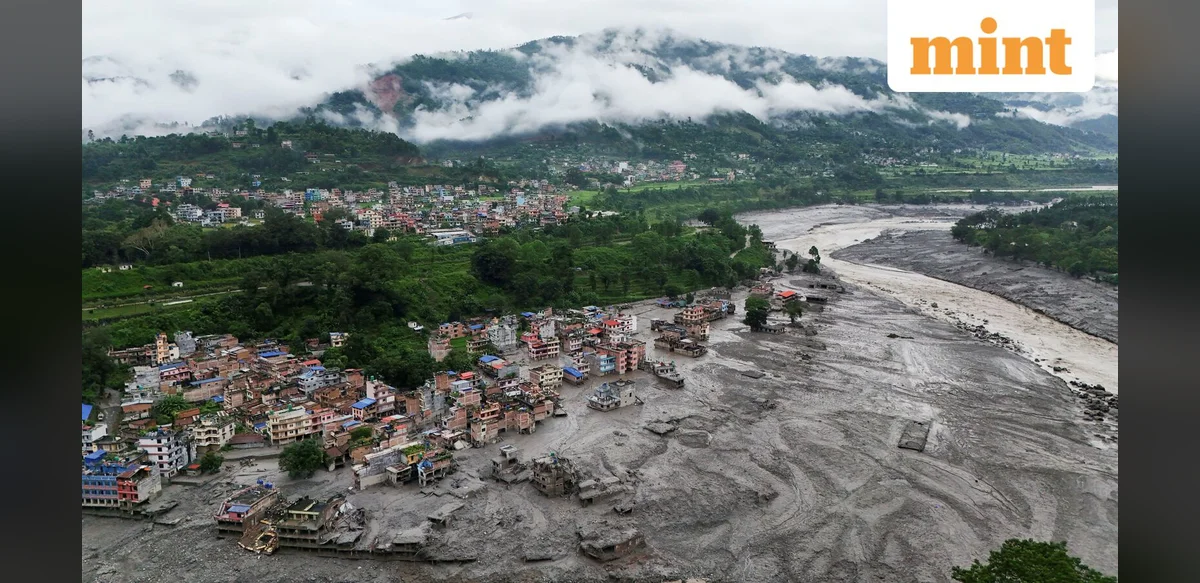
Recent events in Nepal have brought attention to a severe natural disaster affecting the Rasuwa district. A powerful surge of water mixed with mud and debris moved rapidly downstream, leading to widespread destruction. Authorities have confirmed that more than 165 people lost their lives due to the incident. The scale of the mudslide has prompted questions about its origins and the factors that contributed to its intensity.
Officials and experts are currently assessing possible causes behind the sudden release of material. Two main possibilities under consideration include seismic activity from an earthquake or the collapse of glacial structures higher in the mountains. Both scenarios could explain the rapid movement of large volumes of water and sediment into populated lower areas. Further studies and on-site evaluations will be necessary to determine the precise sequence of events.
The affected region in Rasuwa district experienced significant impact from the flow of debris. Homes and local infrastructure sustained damage as the mud and water advanced without warning. Rescue and recovery operations have been underway since the disaster struck, with teams working to locate survivors and clear affected zones. The challenging terrain has complicated these efforts, requiring specialized equipment and coordination among various agencies.
Communities in the vicinity are dealing with the aftermath, including displacement and loss of property. Support measures such as temporary shelters and aid distribution have been organized to assist those impacted. The event underscores the vulnerability of mountainous regions to sudden hydrological changes and the importance of monitoring systems for early detection.
Discussions among scientists focus on how environmental conditions in the Himalayas may influence such occurrences. Changes in temperature, precipitation patterns, and geological stability are topics of ongoing research. Understanding these elements could help improve preparedness for future incidents of similar nature. The current tragedy serves as a reminder of the forces at play in high-altitude environments.
Local authorities continue to gather data and testimonies to build a clearer picture of what transpired. Reports emphasize the need for thorough investigation before drawing conclusions about causation. In the meantime, efforts remain centered on humanitarian assistance and restoring basic services in the impacted areas. The loss of life highlights the human cost associated with these powerful natural processes.
As more information becomes available, updates on the investigation into the mudslide will be shared. The focus stays on factual analysis rather than speculation regarding the earthquake or glacial collapse theories. This approach ensures that responses are based on verified evidence. The Rasuwa district incident remains a key case study for disaster management in similar geographic settings.
Overall, the disaster has drawn attention to the interplay between natural phenomena and human settlements in Nepal. Continued vigilance and investment in monitoring technology may reduce risks in the future. For now, the priority lies with supporting affected families and documenting the event accurately for lessons learned.


