

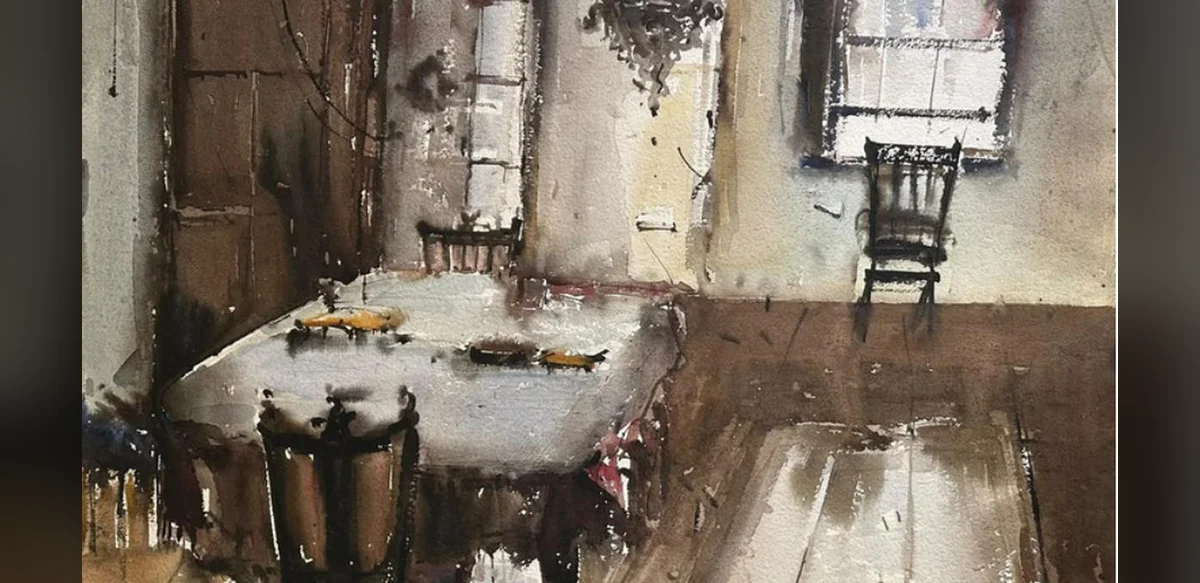
An exhibition currently underway at Artworld Sarala brings together the creations of two artists deeply rooted in Bengal traditions. Pradip Maitra presents watercolour works that incorporate stylistic elements from the Victorian period alongside reflections drawn from experiences during the recent global health crisis. Bimal Kundu contributes sculptures that focus on scenes from daily life and draw inspiration from musical sources.
The venue has long served as a platform for regional artistic expressions. This particular display highlights continuity in artistic practices from eastern India. Maitra’s pieces demonstrate careful attention to light and detail typical of earlier European influences adapted to local subjects. His compositions also include subtle references to isolation and resilience encountered in recent years.
Kundu’s three-dimensional forms emphasize ordinary activities and rhythms associated with music. The sculptures use materials that allow for smooth surfaces and balanced proportions. Viewers can observe how these works connect personal observation with broader cultural motifs.
Bengal has maintained a distinctive position in the development of modern Indian art. Artists from the region have frequently blended external techniques with indigenous themes. The current presentation continues this pattern by showing how individual artists interpret heritage in contemporary contexts.
Maitra’s watercolours vary in scale and subject. Some depict landscapes altered by time and memory, while others portray figures in moments of quiet reflection. The pandemic period appears to have encouraged a more introspective approach in his recent output.
Kundu’s sculptures range from single figures engaged in routine tasks to groupings that suggest communal interaction. Musical references appear through poses that evoke performance or through abstract shapes reminiscent of instruments. The overall effect conveys both familiarity and quiet celebration.
Organizers note that the exhibition aims to encourage dialogue between generations of artists and audiences. The works on view span different media yet share an underlying connection to place and history. Attendance has included students, collectors, and members of the local community.
Technical aspects of the pieces receive attention in accompanying descriptions. Maitra employs layered washes to achieve depth and luminosity. Kundu selects media that permit fine detailing while maintaining structural integrity. Both approaches reflect sustained studio practice.
The exhibition remains open for several weeks. It provides an opportunity to consider how personal circumstances intersect with longstanding artistic lineages. Observers have remarked on the balance between innovation and respect for precedent evident throughout the display.
Further events tied to the exhibition may include guided viewings and informal discussions. These additions are intended to broaden access to the ideas presented in the artworks. The venue continues its role as a gathering point for those interested in visual culture from the region.
Overall, the presentation underscores the vitality of artistic production in Bengal. Through watercolours and sculptures, Maitra and Kundu contribute to an ongoing conversation about identity, memory, and creative expression. The exhibition offers a measured look at how tradition adapts within changing times.


