

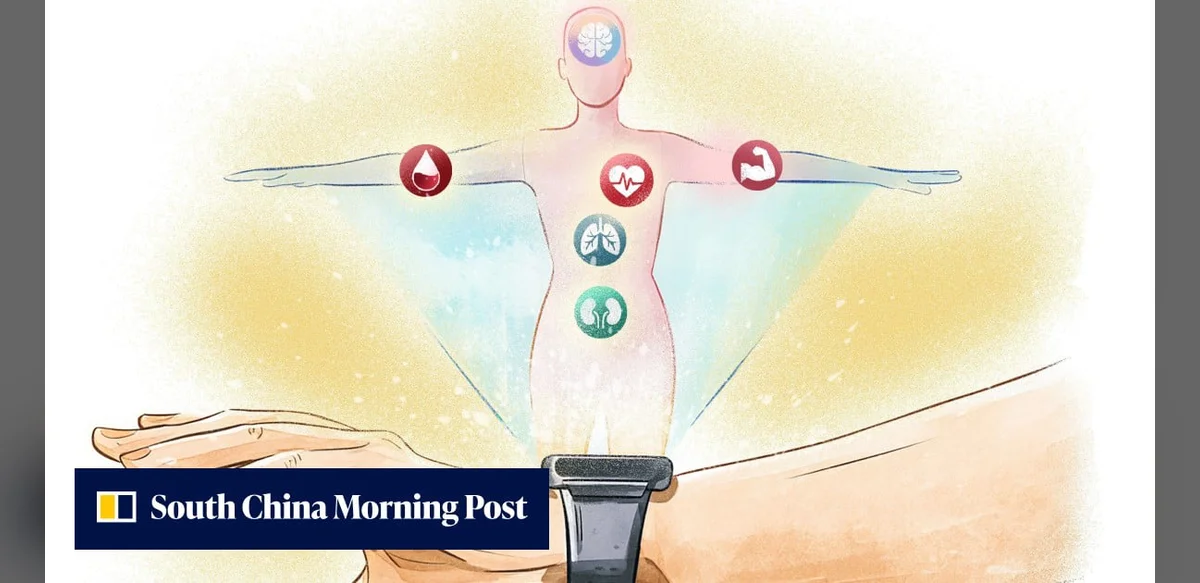
Recent discussions among healthcare professionals highlight the growing interest in wearable technology as a tool for everyday health management. With adoption rates reaching 63 percent in Hong Kong, many residents are incorporating these devices into their routines to track basic metrics such as heart rate and activity levels.
Experts in medicine and fitness note that such technology may encourage more personalised approaches to wellness. By providing users with ongoing data, wearables could help individuals take a more active role in monitoring their own well-being before issues arise.
The trend reflects broader shifts toward proactive strategies in public health. Rather than waiting for symptoms to develop, people are using digital tools to maintain awareness of their physical condition on a daily basis. This aligns with efforts to promote preventive care across communities.
Medical practitioners emphasise that while these devices offer convenience, they serve best as supplements to professional advice. Users are encouraged to consult qualified experts for interpretation of any readings and to avoid relying solely on automated feedback.
Fitness specialists add that integration of wearables into regular exercise plans can support consistent habits. Features that log steps, sleep patterns, and other indicators may motivate users to adjust behaviours gradually over time.
As more Hongkongers adopt these tools, questions around accuracy and data privacy continue to surface. Industry observers suggest that clear guidelines from health authorities could help build greater confidence in the technology.
Overall, the conversation centres on balancing innovation with established medical practices. Wearables represent one avenue for expanding access to health information, yet their role remains complementary to traditional consultations and treatments.
Public health initiatives may increasingly consider how digital devices fit into larger frameworks for community wellness. Educational campaigns could inform residents about appropriate use and limitations, ensuring expectations stay realistic.
In summary, the reported adoption figure signals notable interest in wearable options among the local population. Continued dialogue between experts and users will likely shape how these tools evolve in supporting individual health journeys.


