

The Philippines continues to hold sufficient rice reserves to meet domestic needs through the end of the year even as flooding affects several regions, according to the agriculture secretary. Officials emphasized that current stock levels and import arrangements provide a stable buffer against disruptions caused by heavy rains and inundated farmlands.
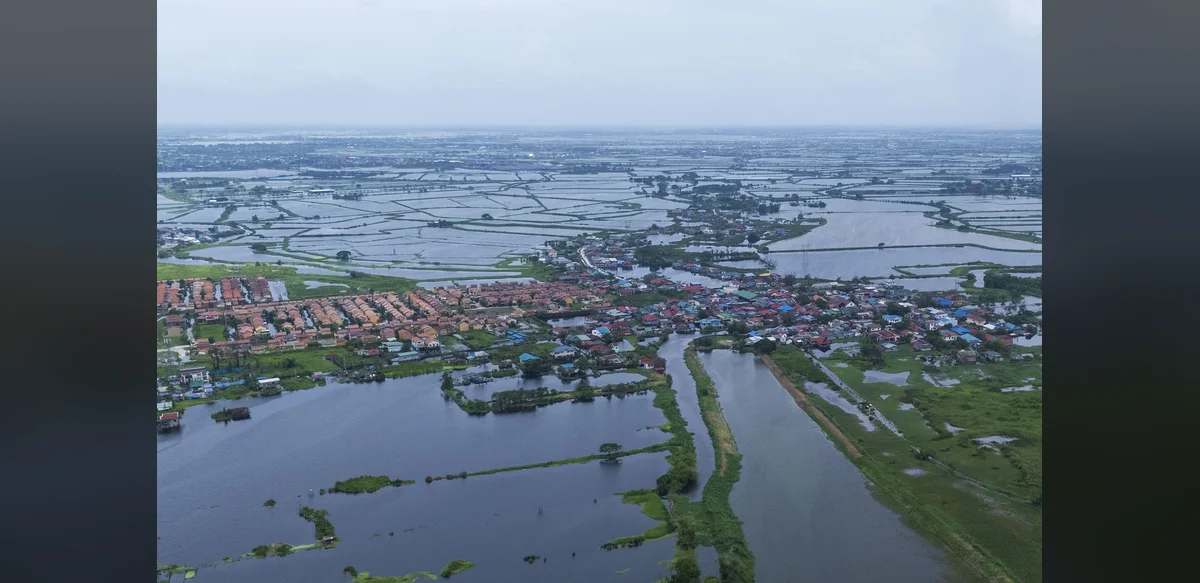
Flooding has submerged communities in provinces such as Pampanga, where residents have faced rising waters that damaged homes and local infrastructure. Aerial images captured the extent of the inundation, showing fields and neighborhoods under water. Despite these conditions, authorities reported that national rice inventories remain robust.
The agriculture department noted that production from unaffected areas, combined with scheduled imports, supports the outlook for steady supply. Monitoring efforts are ongoing to track any further weather developments that could influence harvests in the coming months. Government agencies are coordinating relief measures for affected communities while ensuring food distribution channels stay operational.
Farmers in flood-prone zones have been advised to adopt protective practices where feasible, though many fields have already sustained losses. National stockpiles are being assessed regularly to confirm they meet projected consumption rates until December. The secretary highlighted that contingency plans include additional procurement if necessary to prevent shortages.
Public reassurance has been a priority amid the weather challenges. Consumers are encouraged to avoid panic buying as supplies are projected to remain consistent. Distribution networks linking rural producers to urban markets continue to function, supported by alternative routes where roads have been impacted.
Regional offices are gathering data on crop damage to inform future support programs. The focus remains on maintaining price stability and availability across all provinces. International partnerships for rice imports are also being reviewed to guarantee timely arrivals.
Overall, the assessment indicates that the country is positioned to navigate the current situation without compromising food security targets. Continued vigilance and adaptive measures will help sustain this position through the remainder of the year.


