

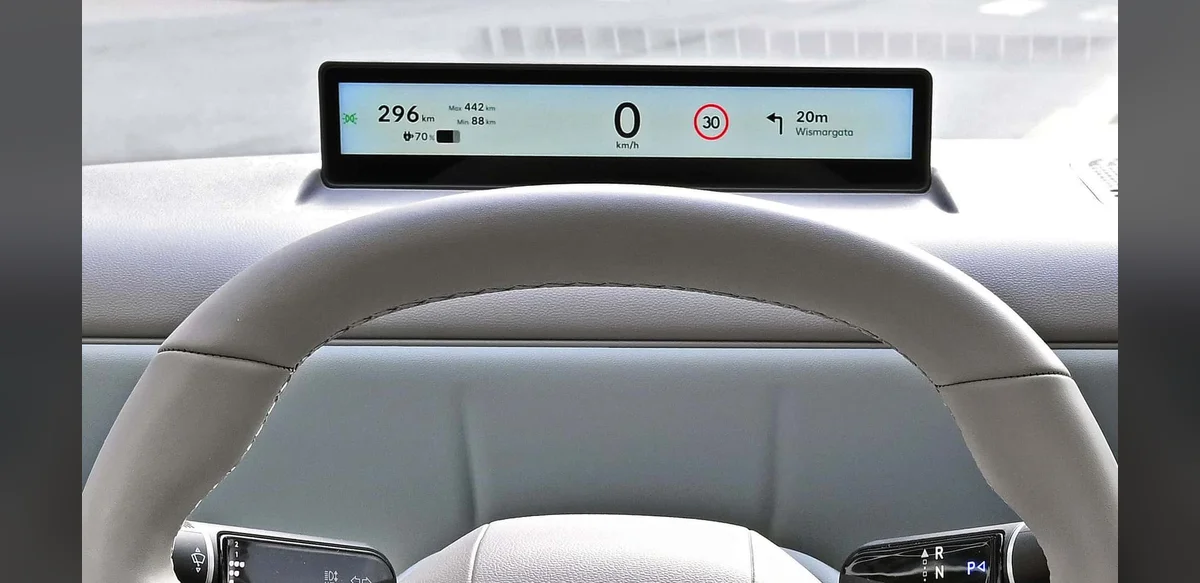
Hyundai has introduced two new vehicle models where the primary driver’s information display is not included as a standard feature. Buyers of the latest Elantra and Ioniq 3 must purchase an optional 9.9-inch instrument cluster separately if they want this functionality. This approach marks a departure from common industry practices where such displays are typically provided without extra cost.
The decision affects how customers configure their vehicles at the time of purchase. Without the add-on, drivers may rely on alternative methods for viewing essential data such as speed and fuel levels. The company positions the cluster as an upgrade rather than a baseline component.
Industry observers note that this pricing strategy could influence buyer perceptions of value. Some may view the absence of the display as a cost-saving measure during production, while others might see it as an opportunity to customize the vehicle according to personal preferences. The 9.9-inch size offers a balance between visibility and integration with the overall cabin layout.
Automakers have increasingly experimented with modular feature offerings in recent years. By separating certain elements like the instrument cluster, manufacturers can adjust base prices and appeal to different segments of the market. Hyundai’s move aligns with this broader trend of offering core transportation at a lower entry point with paid enhancements available.
Potential owners should review the full list of available options before finalizing a purchase. The additional charge for the cluster represents one of several choices that can shape the driving experience. Clear communication from dealerships will help ensure buyers understand what is included in the standard configuration.
This development highlights ongoing discussions about the role of digital interfaces in modern vehicles. As screens become more prevalent, decisions around their inclusion or exclusion can affect both cost and user interaction. Hyundai’s approach provides one example of how such choices are being implemented.
Customers interested in these models are encouraged to compare the base specifications with those of competing vehicles. Understanding the total expense, including any optional items, supports informed decision-making. The 9.9-inch cluster, when selected, integrates into the dashboard to provide necessary information during operation.
Overall, the strategy reflects a focus on flexibility in vehicle assembly and sales. By treating the instrument cluster as an elective component, Hyundai allows buyers to determine the level of technology they prefer. This can lead to varied configurations across different regions and customer groups.
Further details on pricing and availability will likely emerge as the models reach wider distribution. In the meantime, the core offering remains centered on the vehicles themselves, with the display serving as a distinct purchase decision. The emphasis stays on delivering functional transportation while presenting technology features as selectable additions.
The change may prompt conversations among enthusiasts and everyday drivers alike about the necessity of certain dashboard elements. Some appreciate the option to forgo the screen for a simpler setup, whereas others expect it to come standard. Hyundai’s implementation invites reflection on evolving expectations in the automotive sector.
In summary, the new Elantra and Ioniq 3 arrive with the instrument cluster positioned as an extra-cost item measuring 9.9 inches. This structure gives buyers control over whether to include it, potentially affecting both the initial outlay and the final vehicle setup. The approach maintains focus on the fundamental attributes of each model while offering the display for those who choose it.


