

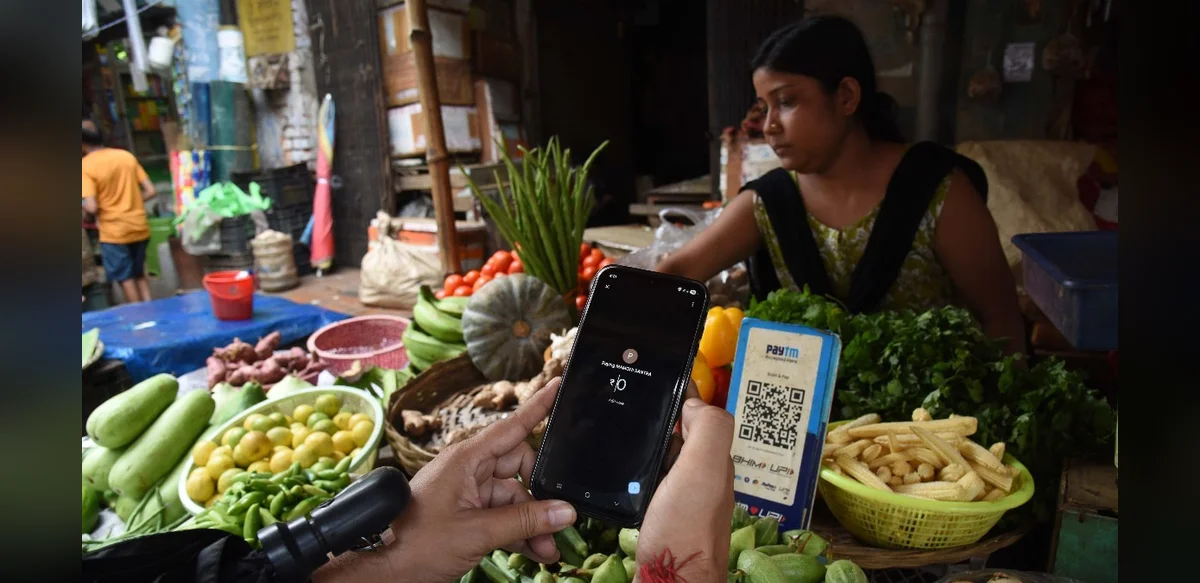
A recent survey has highlighted concerns among merchants regarding the potential introduction of Merchant Discount Rate charges on UPI transactions. According to findings from LocalCircles, 41 percent of traders indicated they would be unwilling to absorb any such fees themselves. This raises questions about whether these costs might ultimately be transferred to consumers who rely on the popular digital payment system.
UPI has become a cornerstone of financial transactions in the country, enabling instant transfers between bank accounts via mobile devices. Its widespread adoption stems from convenience and zero-cost transfers for most users. However, discussions around MDR have surfaced as stakeholders examine sustainability for payment service providers.
The survey polled various business owners across sectors to gauge their stance on bearing MDR expenses. Respondents expressed reluctance, citing thin profit margins and existing operational costs. Many noted that passing fees to customers could reduce transaction volumes, particularly among price-sensitive buyers.
Experts in the payments industry emphasize that UPI’s success relies on its fee-free model for individuals. Any shift toward MDR could alter user behavior, prompting a return to cash in some cases. Merchants surveyed highlighted the need for government clarity on fee structures to avoid uncertainty.
Background on MDR shows it as a commission typically charged to businesses for processing card or digital payments. For UPI specifically, current policies have kept charges minimal or absent for smaller merchants to encourage adoption. The survey results suggest resistance to changes that might disrupt this balance.
Further analysis of the data reveals variations by business size. Smaller traders appeared more opposed to absorbing costs compared to larger establishments with greater resources. This disparity could influence how different segments of the economy respond to policy adjustments.
Public reaction to the survey has focused on protecting the accessibility of UPI. Consumers value the system for its speed and lack of hidden charges. Any move to introduce fees risks eroding trust built over years of promotion by regulators and banks.
Industry observers recommend exploring alternative funding models for UPI infrastructure. Subsidies or shared contributions from stakeholders might prevent direct burdens on either merchants or end users. The survey underscores the importance of stakeholder consultation before implementing changes.
In conclusion, the findings point to significant hesitation among traders. With 41 percent unwilling to bear MDR costs, the potential for fee pass-through remains a key issue. Continued monitoring and dialogue will be essential to maintain UPI’s role in everyday commerce without unintended consequences for participants.


