

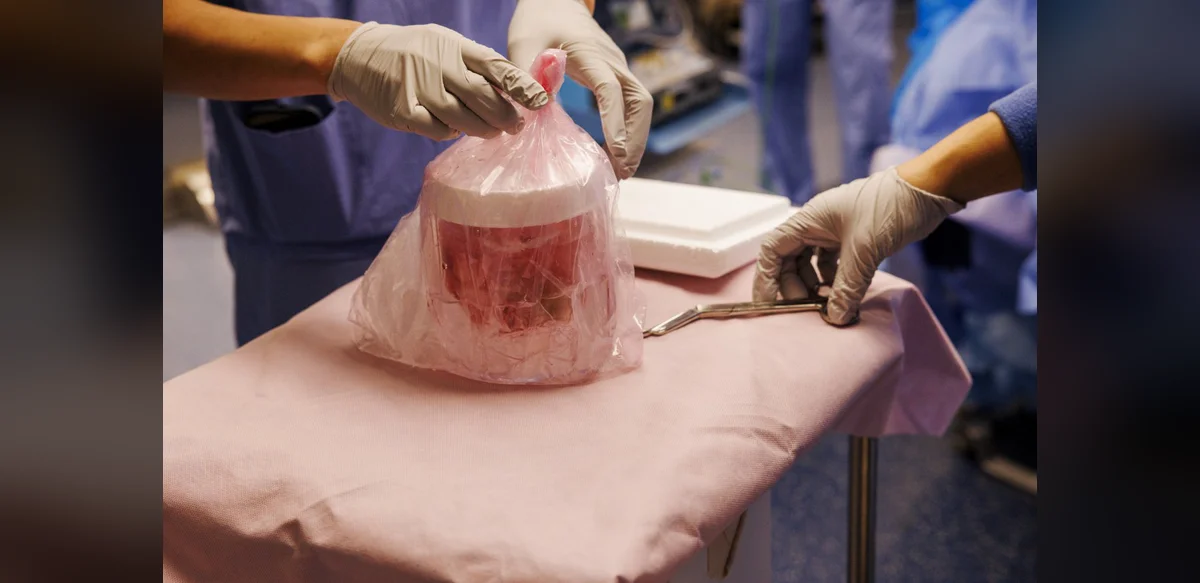
In a notable development in medical transplantation a pig kidney has sustained function in a human recipient for a full nine months. This duration represents the longest recorded period for such a procedure and allowed the individual to remain free from dialysis treatment during that time. The approach provided a bridge while the patient awaited a compatible human kidney from a deceased donor.
The case highlights ongoing efforts to address shortages in available human organs. Many individuals with kidney failure depend on regular dialysis sessions which can limit daily activities and overall quality of life. By using a kidney from a pig the recipient experienced an extended interval without those sessions.
Medical teams involved monitored the transplanted organ closely throughout the nine month span. The kidney maintained adequate filtration and supported the patient’s health needs effectively. This outcome exceeded previous attempts with animal to human kidney transfers where function typically lasted shorter periods.
The recipient continued normal routines to the extent possible while under medical supervision. Regular check ups ensured any signs of rejection or complications were addressed promptly. The extended success offers data that could inform future protocols for similar interventions.
Waiting lists for human kidneys remain lengthy in many regions due to limited supply. Alternative sources such as genetically modified pig organs are under investigation to expand options. In this instance the nine month period proved sufficient for the patient to secure a human donor match eventually.
Researchers emphasize that each case contributes to broader understanding of cross species compatibility. Factors including immune response management and organ preservation techniques play key roles in outcomes. The current record duration builds on incremental progress in the field.
Patients facing end stage renal disease often explore multiple avenues for treatment. Dialysis serves as a temporary measure but carries its own burdens including time commitments and potential side effects. A functioning transplant whether from human or animal sources can restore greater independence.
The nine month achievement underscores the potential for animal derived organs in clinical settings. It demonstrates that sustained function is achievable under controlled conditions. Further studies will likely examine ways to extend such periods or improve consistency across recipients.
Overall this instance adds to the body of evidence supporting xenotransplantation research. The focus remains on patient safety and long term viability. As data accumulates the medical community can refine approaches to better serve those in need of kidney replacements.
Continued observation of the patient post procedure provides additional insights into durability. The transition to a human kidney occurred after the nine month mark allowing seamless continuation of care. Such bridging strategies may become more common if results hold in additional trials.
The neutral reporting of this event avoids speculation on widespread adoption. Instead it centers on the documented facts of the case. Record keeping in transplantation helps track advancements accurately over time.
In summary the pig kidney transplant enabled nine months without dialysis for the recipient. This period facilitated waiting for a suitable human organ. The outcome stands as a milestone in the specific context of animal to human kidney use.


