

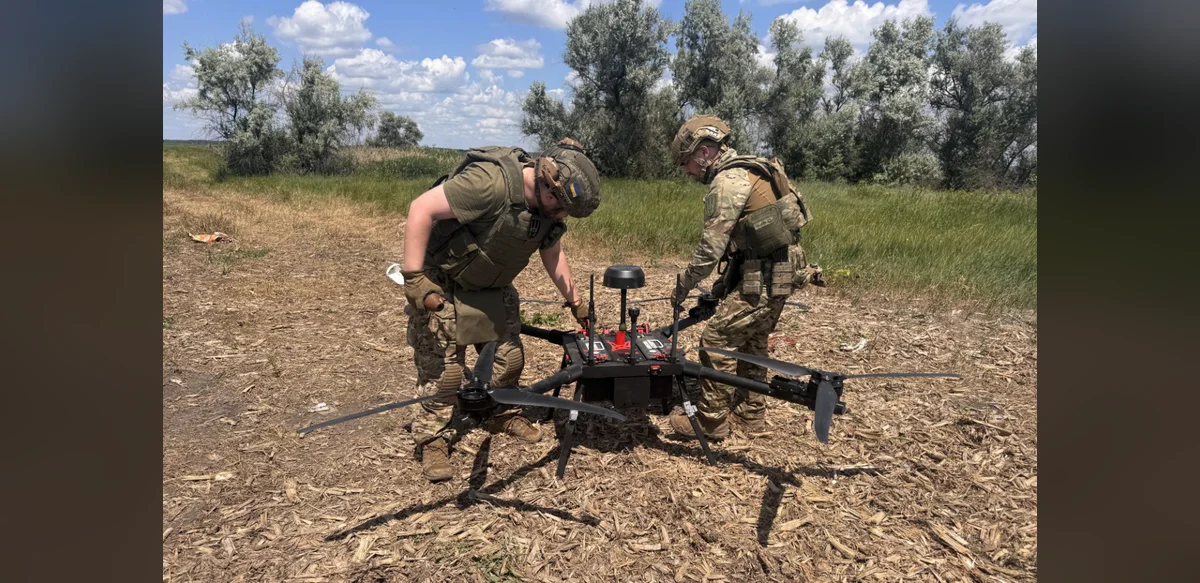
International governments and prominent technology enterprises are actively pursuing information generated during the Ukraine conflict. This material is regarded as exceptionally valuable for developing the next wave of artificial intelligence systems. The primary aim is to prepare models that could support functions in defense and national security domains.
The information in question is considered rare and high in quality, making it attractive for organizations focused on machine learning advancement. Real-world scenarios from active situations provide datasets that are otherwise difficult to obtain through standard means. Both public institutions and private firms recognize the strategic importance of incorporating such material into their development pipelines.
Efforts to acquire and process this data involve coordination across multiple sectors. Analysts note that the volume and variety of available records can significantly improve the accuracy and reliability of trained models. These improvements are especially relevant when addressing complex operational challenges that arise in security-related applications.
Technology organizations are investing in infrastructure capable of handling large-scale data ingestion and analysis. At the same time, governments are evaluating how best to integrate resulting AI capabilities into existing frameworks. The shared interest stems from the potential to enhance decision-making processes under demanding conditions.
Data from dynamic environments contributes to more resilient algorithms. Researchers emphasize that exposure to varied inputs during training phases leads to better generalization in deployed systems. Consequently, the Ukraine conflict has become a focal point for those seeking to accelerate progress in artificial intelligence for specialized uses.
Collaboration between states and industry players is occurring through formal and informal channels. Protocols for data handling are being established to ensure compliance with relevant standards. This structured approach allows for systematic collection while minimizing risks associated with sensitive material.
The broader implications extend to the evolution of defense technologies worldwide. As artificial intelligence becomes more central to strategic planning, access to authentic training resources gains priority. Nations without direct involvement are also monitoring developments to remain competitive in technological capabilities.
Industry experts highlight that high-quality datasets serve as foundational elements for innovation. Without sufficient real-world examples, models may underperform when faced with unpredictable circumstances. The current interest in Ukraine-derived information reflects this fundamental requirement in the field.
Ongoing activities include assessment of data integrity and relevance to specific use cases. Teams are working to categorize and label records for optimal utilization in training cycles. Such preparatory work is essential for achieving desired performance levels in final AI products.
Future advancements in national security applications may depend heavily on the outcomes of these initiatives. Continued focus on data acquisition is expected as artificial intelligence techniques mature further. The balance between technological progress and responsible use remains a key consideration for all parties involved.


