

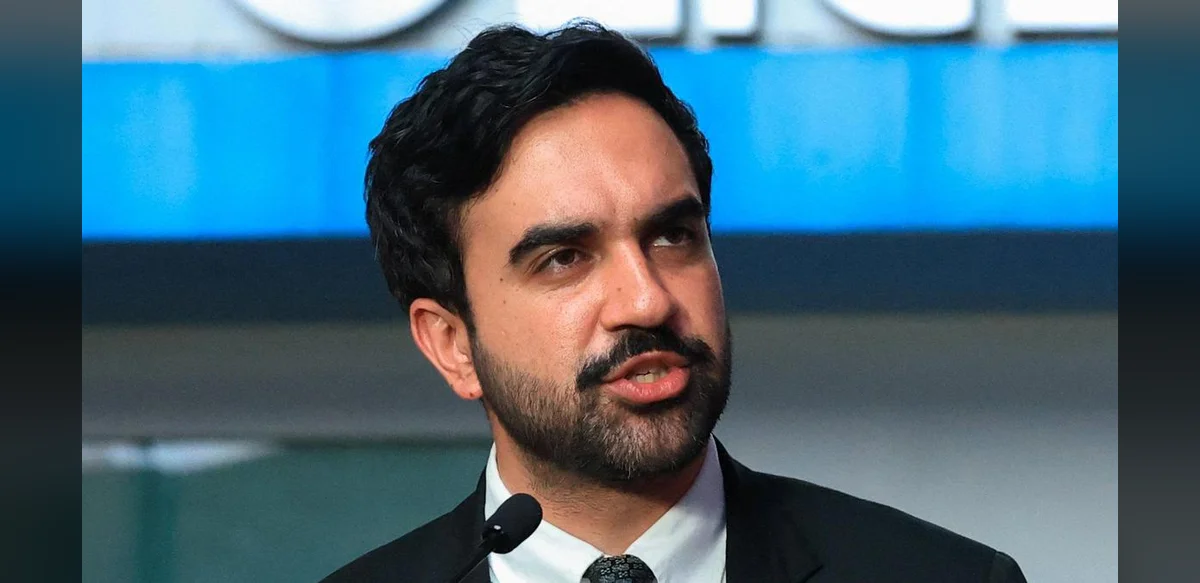
New York City officials have announced a temporary restriction on certain artificial intelligence applications in educational settings. The decision affects students in grades up to the eighth grade and applies specifically to tools that generate content directly for learners. The measure will remain in place for one full academic year covering the period from 2026 to 2027.
The announcement was made jointly by the city mayor and the schools chancellor on the second day of September. It establishes a one-year moratorium focused on student-facing generative systems. This step is intended to provide time for further review of how such technologies interact with classroom instruction at younger age levels.
Under the new policy, schools will not introduce or expand the use of generative AI platforms that students access independently for learning activities. The restriction targets tools designed to create text, images, or other materials in response to student prompts. Traditional educational software and non-generative applications remain unaffected by the pause.
City leaders emphasized the need to evaluate potential impacts before wider adoption. The moratorium allows educators and administrators additional opportunity to assess benefits and limitations in controlled environments. It also creates space to develop guidelines that align with existing curriculum standards and student privacy considerations.
The policy applies uniformly across public schools serving the specified grade range. Implementation will involve coordination between district offices and individual school leadership teams. Training sessions for staff are expected to focus on alternative instructional methods during the affected period.
Parents and guardians have been informed through official school communications. The city has indicated that feedback from families will be collected as part of the review process. This input is intended to help shape future decisions once the moratorium concludes.
Education experts note that generative AI tools have seen rapid growth in recent years. Many such systems offer features like automated tutoring or content creation. However, questions remain regarding age-appropriate design and long-term effects on learning outcomes.
The one-year timeframe provides a structured window for pilot programs in limited settings. Data gathered during this interval could inform whether adjustments are needed before the start of the following school year. Officials have stated that the pause is not a permanent ban but a deliberate period of observation.
School districts outside New York City have adopted varying approaches to similar technologies. Some have introduced strict usage rules while others have encouraged limited experimentation under supervision. The New York policy represents one of the more defined time-bound measures announced to date.
During the moratorium, the city plans to consult with technology specialists, teachers, and researchers. These discussions aim to identify best practices for integrating advanced tools responsibly. The resulting recommendations are expected to guide policy updates after the 2026-27 academic year ends.
The measure reflects broader conversations about technology in education. As digital tools continue to evolve, school systems worldwide are considering how to balance innovation with established pedagogical principles. New York City officials have positioned the moratorium as a proactive step in this ongoing dialogue.
Implementation details will be shared with school communities in the coming weeks. Guidance documents will clarify which specific applications fall under the restriction and which do not. Regular updates are planned to keep stakeholders informed throughout the moratorium period.


