

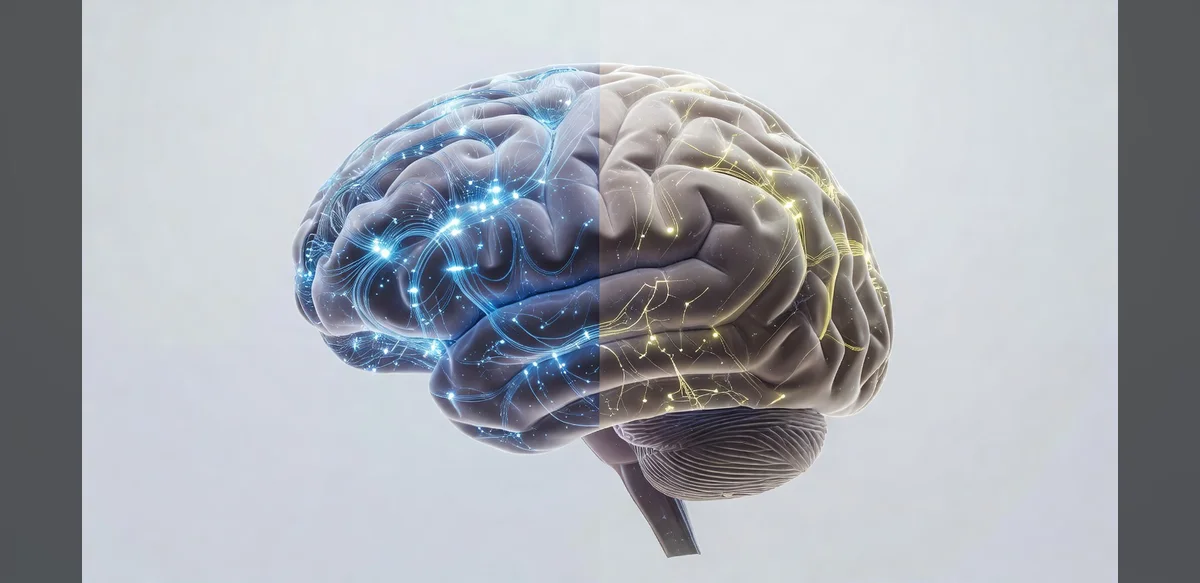
Conventional understanding suggests that younger brains recover more effectively from traumatic brain injury due to higher levels of neuroplasticity. This flexibility enables the formation of new connections and the rerouting of functions around damaged areas. Older brains typically exhibit reduced adaptability, leading to slower or less complete restoration of abilities.
Recent investigations into recovery trajectories reveal that these age-related differences involve distinct neurological mechanisms rather than a simple gradient of resilience. In younger individuals, initial improvements may occur rapidly as the brain compensates, yet underlying processes such as inflammation or protein accumulation can persist undetected. These hidden developments may contribute to later complications even after apparent functional gains.
Medical researchers emphasize the importance of long-term monitoring following traumatic brain injury across all age groups. Standard assessments often focus on short-term outcomes like motor skills or cognitive tests, which can overlook progressive changes at the cellular level. Advanced imaging techniques and biomarker analysis now allow clinicians to track these subtler shifts over months or years.
Studies comparing pediatric and adult cases indicate that children frequently regain language and motor functions more readily than adults. However, the same compensatory processes may increase vulnerability to secondary conditions such as epilepsy or mood disorders later in life. In contrast, older adults tend to experience more gradual recovery but demonstrate fewer instances of masked deterioration in some cohorts.
Rehabilitation protocols are increasingly tailored to account for these divergent paths. Younger patients may benefit from intensive cognitive training that leverages plasticity while incorporating safeguards against overcompensation. Older patients often require integrated approaches addressing both injury recovery and pre-existing age-related neurological changes.
Public health initiatives stress prevention as the primary strategy against traumatic brain injury. Measures such as helmet use, fall prevention programs, and vehicle safety improvements reduce incidence rates across populations. When injuries do occur, early intervention remains critical regardless of age.
Ongoing clinical trials explore pharmacological options that target specific pathways involved in post-injury brain remodeling. These efforts aim to support beneficial plasticity while mitigating harmful cascades that unfold differently depending on developmental stage.
Healthcare providers note that family education plays a vital role in managing expectations during recovery. Understanding that visible progress does not always equate to complete resolution helps caregivers support sustained medical follow-up.
Data from large-scale registries continue to refine models of age-dependent recovery. Such resources enable more precise prognostic tools and personalized treatment plans that reflect individual neurological profiles rather than chronological age alone.
The evolving body of evidence underscores that traumatic brain injury recovery constitutes a dynamic process influenced by multiple biological factors. Age serves as one important variable among many, shaping both the speed and the underlying character of neurological adaptation.


