

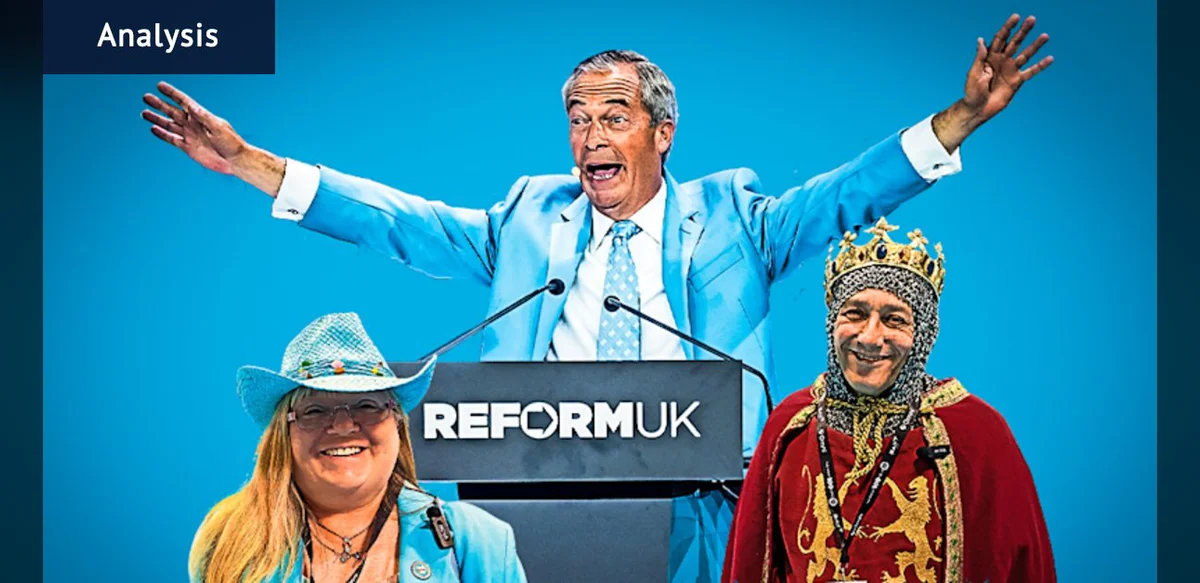
The recent statements from a prominent political figure have placed renewed focus on the challenges facing the United Kingdom and the role of smaller parties in addressing them. According to the remarks, the country faces deep structural problems that require bold solutions, with one group positioning itself as the only viable option for meaningful repair.
Observers note that from afar, such movements can appear fringe or disruptive to the established order. Yet closer examination reveals participants who hold typical jobs, raise families, and share common worries about housing costs, public services, and economic security. These individuals often describe their involvement as driven by frustration with mainstream options rather than ideological extremes.
The party in question has gained attention through consistent messaging on immigration, taxation, and governance reform. Its leader has argued that current policies have left Britain in a state of decline, citing statistics on productivity, infrastructure strain, and social cohesion. Supporters echo these points at local gatherings, emphasizing practical outcomes over abstract theory.
Critics, however, question whether the proposed changes are realistic or sufficiently detailed. They point to the absence of comprehensive costings for flagship pledges and warn that rapid shifts could unsettle markets or international relations. Independent analysts suggest that translating campaign rhetoric into legislation would demand cross-party cooperation and careful sequencing.
Membership figures have risen steadily in recent months, with new recruits citing personal experiences of waiting lists in healthcare or difficulties in securing stable employment. Events organized by the group attract attendees from varied backgrounds, including former supporters of larger parties who feel their concerns have been overlooked.
The coming period will test the organization’s capacity to move from opposition to constructive proposals. Parliamentary procedures require detailed scrutiny of any legislative initiatives, and early indications show both opportunities and hurdles in building alliances. Party strategists acknowledge that sustained public trust depends on delivering measurable improvements rather than repeated criticism.
Regional variations in support are evident, with stronger backing in areas affected by industrial change and weaker presence in urban centers. Campaign teams are adapting outreach methods to address local priorities while maintaining a unified national message. Data from recent surveys indicate that voter priorities remain centered on cost of living and border management.
Media coverage has intensified, prompting the group to refine its communications strategy. Spokespeople stress that the focus remains on solutions rather than personalities, although external commentary often highlights individual profiles. Internal training sessions aim to equip volunteers with factual responses to common questions.
Economic forecasts released by government agencies provide context for the debate. Growth projections remain modest, and debt levels continue to influence fiscal planning. The party has outlined alternative approaches, including adjustments to welfare allocation and incentives for domestic manufacturing, though experts debate their projected impact.
As the next electoral cycle approaches, the pressure to demonstrate competence grows. Organizers are prioritizing candidate selection processes that emphasize administrative experience alongside ideological alignment. Workshops on policy drafting and constituency management are being rolled out to prepare for potential responsibilities.
Public forums hosted by the movement allow direct interaction between leadership and attendees. Discussions frequently cover topics such as energy security, education standards, and community safety. Feedback collected at these sessions informs adjustments to campaign materials and priority lists.
Overall, the narrative surrounding the party blends elements of protest and aspiration. While its critique of the status quo resonates with segments of the electorate, the transition to governance would require navigating complex institutional frameworks. Observers will continue to monitor whether the emphasis on ordinary concerns can translate into effective political outcomes.


