

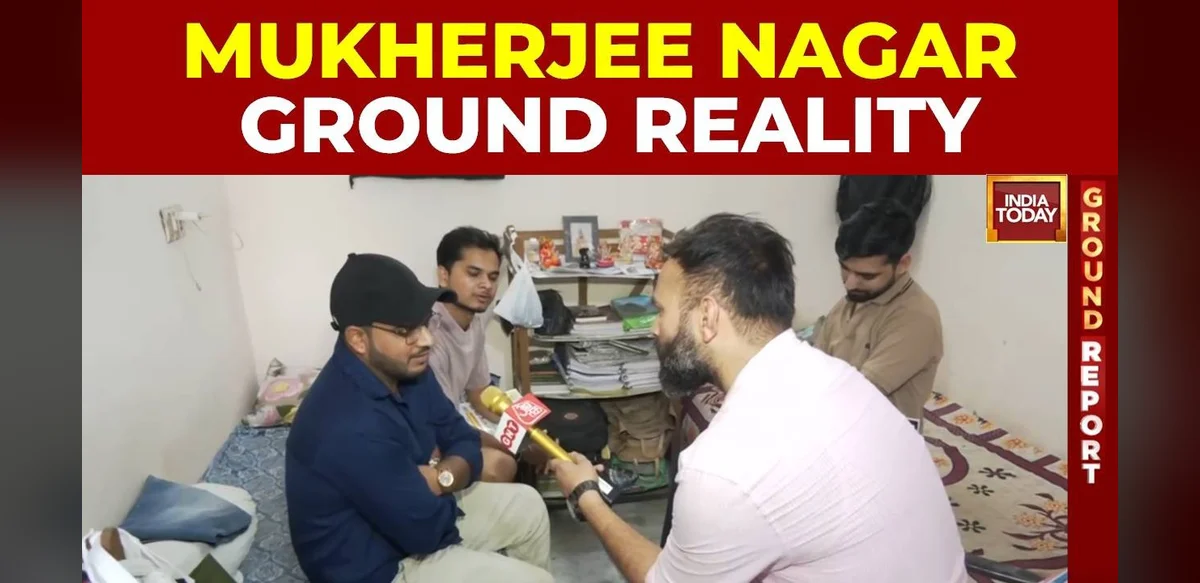
Delhi continues to attract large numbers of young people preparing for competitive examinations, particularly in neighborhoods known for coaching centers. Recent observations have highlighted potential safety issues in some residential structures used by these aspirants. Reports indicate visible cracks in walls and foundations of several buildings, raising questions about their stability during routine use.
Students often choose these locations due to proximity to classes and study resources. However, the demand for affordable rooms has led to higher rental prices in recent years. Many individuals share small apartments or opt for older constructions to manage expenses, which can sometimes result in living conditions that warrant closer inspection by local authorities.
Local residents and property observers note that maintenance of these buildings varies widely. Some structures show signs of wear from prolonged use without adequate repairs. This situation has prompted discussions among community members about the need for regular safety checks to prevent any incidents.
Housing costs in the area have increased steadily, influenced by population growth and limited supply of suitable accommodations. Aspirants from different regions of the country arrive with fixed budgets, making it challenging to secure well-maintained spaces. As a result, some settle for options that may not meet preferred standards of upkeep.
Authorities responsible for urban development have been urged to review building compliance in high-density zones. Officials emphasize the importance of adhering to construction norms to ensure occupant well-being. Periodic assessments could help identify areas requiring reinforcement or renovation.
The influx of examination candidates supports local businesses, including bookstores, eateries, and transport services. Yet the balance between economic activity and residential safety remains a topic of interest for planners. Sustainable solutions might involve incentives for property owners to invest in upgrades.
Students describe their daily routines as focused on study schedules, with limited time for addressing housing concerns. Many rely on word-of-mouth recommendations when selecting rooms. Improved information channels about verified properties could assist newcomers in making informed choices.
Broader conversations around urban housing in major cities often touch on similar themes of affordability and quality. In this context, the experiences of examination aspirants reflect wider patterns seen across student populations. Collaborative efforts between educational institutions, landlords, and government bodies may contribute to gradual improvements.
Monitoring of structural integrity in older buildings forms part of ongoing civic initiatives. Data collection on rental trends and occupancy rates provides insights for policy adjustments. Such measures aim to support the large number of individuals who temporarily reside in the capital for academic purposes.
Overall, the combination of safety considerations and rental pressures underscores the complexities of managing growth in educational hubs. Continued attention to these factors can help maintain a stable environment for those pursuing their goals in the city.


