

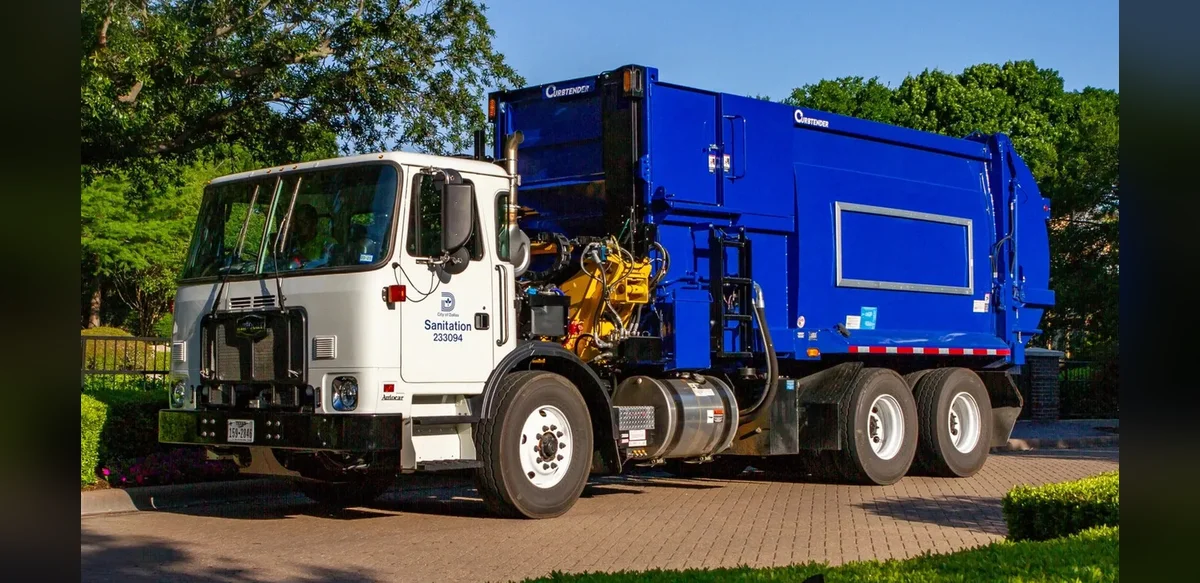
The city of Dallas has introduced a system that places artificial intelligence cameras on its fleet of garbage collection vehicles. These devices capture images of every residence along the routes as waste is collected. The technology then analyzes the photographs to identify possible breaches of local regulations.
Officials describe the program as a way to improve efficiency in code enforcement. Rather than relying solely on resident complaints or scheduled inspections, the cameras provide a systematic scan during routine operations. The images are processed to flag issues such as overgrown vegetation, improper storage of items, or other visible conditions that may conflict with municipal standards.
Privacy considerations have been raised by observers. The cameras record every property they pass, regardless of whether a violation is suspected. City representatives have stated that the data is used only for enforcement purposes and is stored according to existing records policies. Details on retention periods and access controls have been shared in public documents.
The rollout occurred without widespread advance notice to residents. Some neighborhoods first learned of the cameras when collection trucks passed with visible equipment mounted on them. Local media outlets began reporting on the initiative after residents inquired about the purpose of the installations.
Supporters of the approach argue that consistent monitoring can lead to faster resolution of problems that affect neighborhood appearance and safety. They note that traditional methods of detection can be inconsistent and resource intensive. Automated scanning, they say, allows staff to focus on confirmed cases rather than broad patrols.
Critics, however, point to the broad nature of the surveillance. Every home on a collection route is photographed, creating a large volume of visual data. Questions have been asked about how the images are secured, who reviews them, and whether the system could be expanded to other uses over time.
City staff have indicated that the AI is trained to recognize specific categories of violations defined in local ordinances. Human reviewers then examine flagged images before any notices are issued. This two-step process is intended to reduce errors and ensure that only valid concerns proceed to enforcement.
Implementation details show that the cameras operate during normal collection hours. The trucks follow established routes, so coverage is limited to areas served by municipal waste services. Properties not on these routes are not included in the current scans.
The program is part of broader efforts to integrate technology into city services. Similar projects in other municipalities have used vehicle-mounted sensors for tasks such as pavement assessment or traffic monitoring. Dallas officials have referenced these examples when describing their own plans.
Residents who receive notices based on the camera data are given standard appeal options. The process for contesting a violation remains unchanged from previous methods. Documentation provided with any citation includes the date and location of the image used as evidence.
Further expansion of the system has not been ruled out. Additional sensors or analysis capabilities could be added if the initial phase demonstrates value. Budget documents list the project under technology upgrades for public works operations.
Public meetings have been scheduled to allow residents to ask questions and review sample images. City communications staff have prepared materials explaining how the AI identifies potential issues and what steps follow a detection. These sessions are open to anyone interested in the details of the program.
The initiative continues to draw attention as more neighborhoods experience the equipped trucks. Discussions online and in community forums reflect a range of views on the balance between enforcement efficiency and individual privacy. City leaders have said they will monitor feedback and adjust procedures if needed.
Overall, the use of AI cameras on garbage trucks represents a shift in how Dallas approaches property maintenance oversight. The system combines existing collection routes with new imaging technology to create a continuous monitoring capability. Its long-term effects on compliance rates and resident perceptions remain to be seen as the program matures.


