


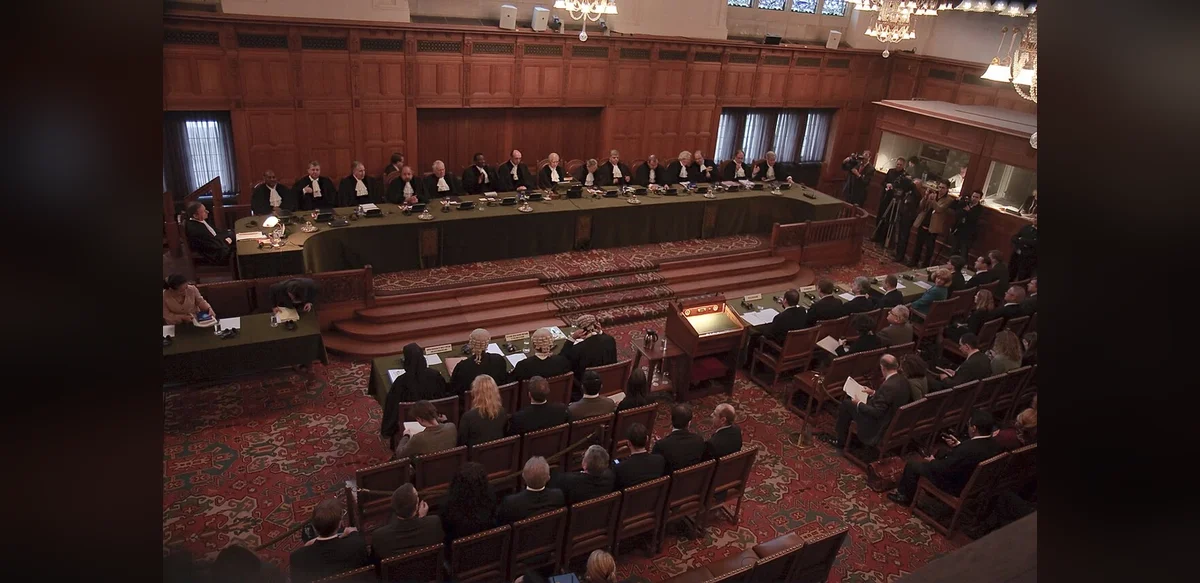
The International Court of Justice has determined that Myanmar bears responsibility for acts of genocide targeting the Rohingya population. This decision requires the country to offer reparations and to facilitate the safe, voluntary, and dignified return of those affected. The ruling, issued on 19 November 2026, confirms state accountability for military operations conducted in 2017 across northern Rakhine State. Details regarding the scale of compensation and specific implementation plans have been reserved for later proceedings.
The judgment arrives amid ongoing regional discussions about refugee protection and cross-border responsibilities. In India, the decision has prompted renewed examination of policies concerning displaced populations from neighboring areas. Officials and analysts are considering how the findings might influence approaches to asylum claims, border management, and humanitarian assistance.
Background to the case traces to events in 2017 when security forces launched clearance operations in Rakhine State following attacks on police posts. Hundreds of thousands of Rohingya fled across the border into Bangladesh, where they remain in large camps. The court examined evidence of widespread violence, destruction of villages, and restrictions on movement that prevented returns.
Legal experts note that the ruling establishes precedent for state liability in similar situations. It does not assign individual criminal responsibility, which falls under separate proceedings at the International Criminal Court. Myanmar has maintained that its actions constituted legitimate counter-insurgency measures rather than targeted persecution.
For India, the implications touch on domestic debates about citizenship laws and refugee intake. Advocates argue that the confirmation of genocide strengthens calls for expanded protection mechanisms. Others emphasize the need to balance humanitarian obligations with national security and resource considerations.
Regional governments have responded with calls for dialogue. Bangladesh continues to host the majority of displaced Rohingya and seeks international support for repatriation efforts. The court order for reparations could involve financial contributions or development projects aimed at restoring affected communities.
Implementation of the ruling faces practical challenges. Myanmar’s current political situation complicates coordination on returns or compensation. International observers stress the importance of independent monitoring to ensure any repatriation occurs under safe conditions.
The case highlights broader questions about accountability in internal conflicts involving minority groups. Similar disputes in other parts of the world have led to prolonged legal processes and varying degrees of compliance.
India’s engagement with the issue reflects its geographic proximity and historical ties with both Myanmar and Bangladesh. Policy reviews may examine existing frameworks for handling asylum seekers and the potential for regional agreements on refugee management.
Humanitarian organizations have welcomed the clarity provided by the judgment while urging all parties to prioritize the welfare of displaced individuals. Long-term solutions are expected to require sustained diplomatic efforts and financial commitments from multiple nations.
Further hearings at the International Court of Justice will address the precise terms of reparations. These proceedings could extend over several years given the complexity of assessing damages and designing appropriate remedies.
The decision underscores the role of international judicial bodies in addressing large-scale human rights violations. It also illustrates how such rulings can intersect with national policy debates in neighboring countries like India.
Observers will continue to monitor developments as Myanmar responds to the order and as India refines its approach to protection issues. The outcome may influence future cases involving allegations of genocide or crimes against humanity in the region.

