


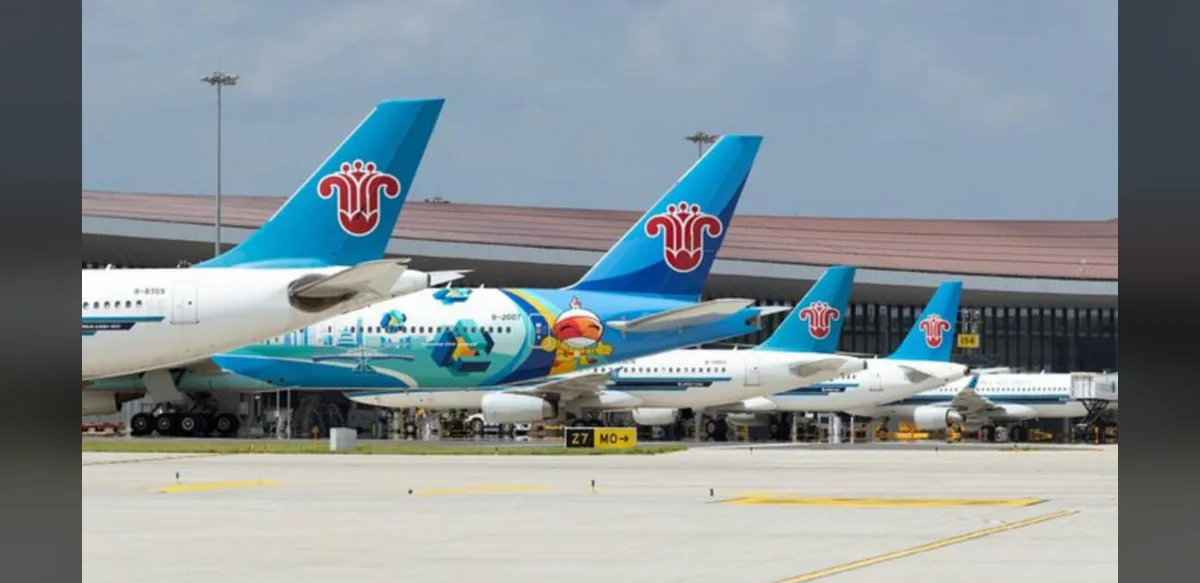
China Southern Airlines has announced plans to restart direct flights between Guangzhou and Delhi. The decision comes shortly before scheduled meetings between senior Indian and Chinese officials. The carrier indicated that operations would begin again in the near term, with an initial focus on restoring reliable passenger connections between the two cities.
Once services resume, the airline expects to run more than one hundred flights each week. These will cover eight distinct round-trip routes serving the broader area. Officials from the company described the expansion as a measured return to previous capacity levels following earlier adjustments in the schedule.
Travel between the two nations has seen gradual changes in recent months. Airlines have monitored demand closely while coordinating with regulatory bodies on both sides. The Guangzhou-Delhi link forms part of a wider network that also includes other major cities in the region. Company statements emphasized that safety protocols and operational standards remain unchanged during the restart phase.
Industry observers note that restored air links can support movement of passengers for business, family visits, and other purposes. The timing of the announcement aligns with ongoing diplomatic contacts, though airline representatives stressed that the decision rests on commercial considerations and route viability. No specific start date was released in the initial notice, but further details are expected in the coming days.
Passengers interested in the service are advised to check the airline website or contact authorized agents for booking information. Schedules may be subject to final approvals from civil aviation authorities. The carrier has a history of operating multiple frequencies on this corridor prior to recent reductions.
Regional connectivity plays a role in broader economic ties. Direct flights reduce travel time compared with routes that require transfers. The planned weekly volume suggests an intent to meet anticipated demand once full operations begin. Eight round-trip routes indicate coverage beyond the primary city pair, potentially including additional destinations within the same operational cluster.
The announcement did not include details on fares or special promotions. Standard ticketing procedures are expected to apply. Travelers should allow extra time for any updated entry requirements that may be in place at either airport. Both Guangzhou and Delhi airports maintain facilities for international arrivals and departures.
Further updates from the airline are likely as preparations advance. The focus remains on a smooth resumption that meets regulatory and customer expectations. More than one hundred weekly flights represent a significant portion of the carrier’s regional capacity allocation. This level of service could help stabilize flight availability for the routes involved.
Overall, the development marks a return to more regular operations on a key international corridor. The company continues to evaluate market conditions and will adjust frequencies if needed. Stakeholders in the travel sector will watch for the actual launch date and subsequent performance of the reinstated services. The eight routes mentioned are expected to operate under consistent standards applied across the airline’s network.
This step occurs against a backdrop of wider discussions on bilateral relations. Airline planning, however, follows its own timeline based on demand forecasts and logistical readiness. Passengers are encouraged to monitor official channels for the latest schedule confirmations. The announcement underscores the airline’s commitment to maintaining connectivity in the Asia-Pacific area.
In summary, China Southern Airlines is positioning itself to increase flight offerings substantially once the Guangzhou-Delhi service restarts. The projected weekly total exceeds one hundred flights distributed across eight round-trip options. Details will be refined as the operational date approaches. The move is viewed as a routine commercial adjustment timed near high-level meetings but driven by route economics. Travelers and industry participants alike await concrete dates and any additional route specifications that may follow.


