

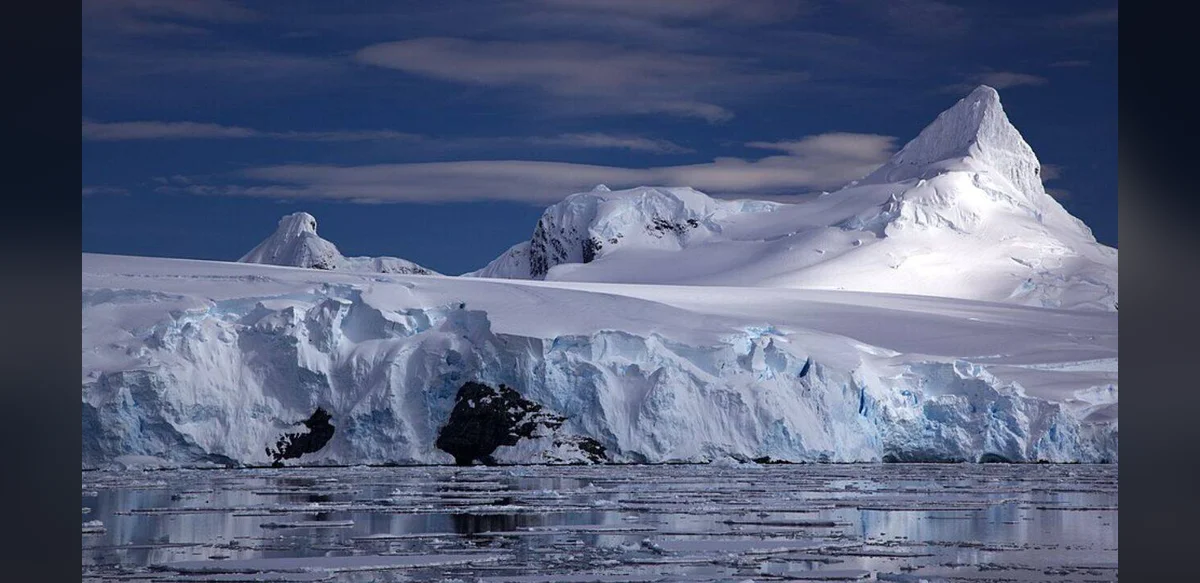
A recent scientific investigation has revealed that an Antarctic glacier increased its speed by approximately twenty percent once meltwater penetrated to its foundation. The finding highlights how surface melting can influence ice dynamics in polar regions and adds to understanding of ice sheet behavior under changing climate conditions.
Researchers monitored the glacier over multiple seasons using satellite data and ground instruments. They observed that during periods when significant volumes of meltwater reached the bedrock, the ice flow rate rose noticeably. This acceleration occurred because the water reduced friction between the ice and the underlying rock, allowing the glacier to slide more freely.
The study focused on a specific outlet glacier in West Antarctica. Data showed that the speed increase was consistent across several measurement points along the glacier’s length. Scientists noted that the effect was most pronounced during warmer months when surface melting was at its peak.
Meltwater reaching the base of glaciers is a known process in glaciology, but quantifying its impact on flow speed provides new insights. The twenty percent acceleration suggests that even moderate increases in surface melt can have measurable effects on ice movement toward the ocean.
The research team emphasized that this mechanism could contribute to faster ice loss in vulnerable Antarctic regions. As global temperatures rise, more surface melting is expected, potentially leading to greater volumes of water reaching glacier beds. This could accelerate the contribution of Antarctic ice to sea level changes.
Observations were cross verified with models that simulate ice flow under varying water conditions. The models confirmed that basal lubrication from meltwater was the primary driver of the observed speed up. Other factors such as changes in ice thickness or external pressure were ruled out as main causes.
The findings align with similar studies conducted in Greenland where meltwater has been shown to affect ice sheet velocity. However, the Antarctic case provides evidence from a different climatic setting and ice type, broadening the scientific understanding of these processes.
Experts caution that while the acceleration is significant, it does not imply immediate collapse of the glacier. Long term monitoring is required to determine whether the increased speed persists or varies with seasonal melt patterns. Continued data collection will help refine predictions of future ice behavior.
The study also considered the broader implications for ice shelf stability. Faster flowing glaciers can thin more rapidly and potentially weaken the floating ice shelves that buttress inland ice. This interaction could lead to further acceleration in some areas.
Public health and policy aspects were not directly addressed but the research underscores the importance of accurate climate projections. Improved understanding of glacier dynamics supports better assessments of coastal risks associated with rising seas.
Funding for the project came from international polar research programs. The team plans to expand observations to additional glaciers to test whether the twenty percent acceleration is typical or varies by location and ice characteristics.
Overall the results illustrate the sensitivity of Antarctic ice to surface conditions. As melt seasons potentially lengthen or intensify, the frequency and magnitude of such acceleration events may increase, affecting the rate at which ice is delivered to the sea.
The research contributes to a growing body of evidence on how liquid water interacts with ice sheets. Future work will likely combine field measurements with advanced remote sensing to capture these processes in greater detail across the continent.


