


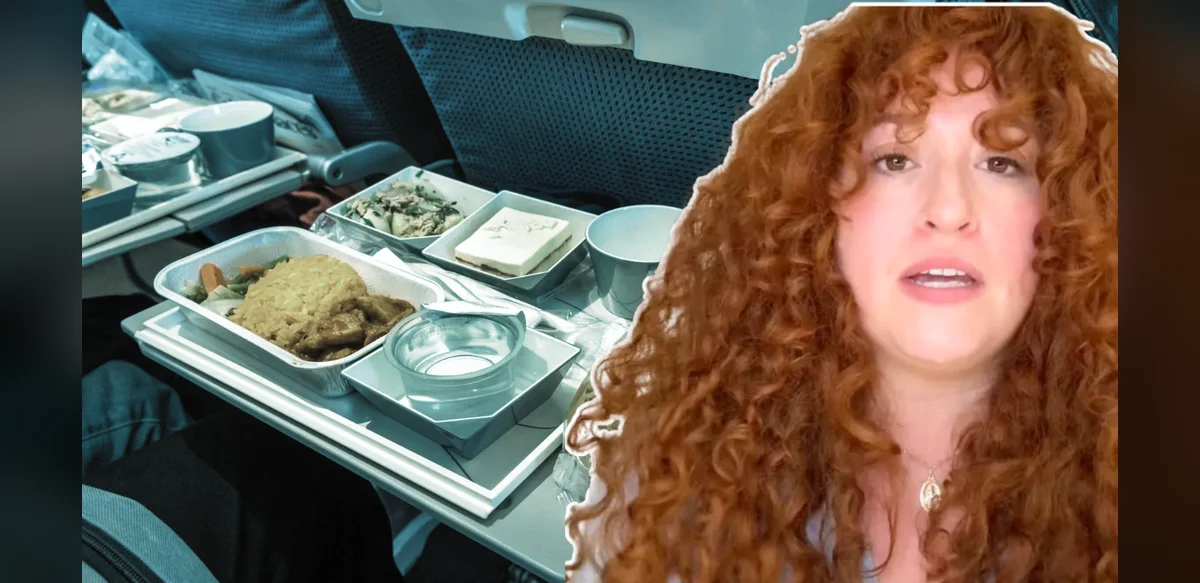
A flight attendant has issued a caution to travelers regarding the cleanliness of airplane tray tables. The warning highlights that these surfaces may not always be as sanitary as they appear. In particular, the attendant noted instances where parents have used the tables for changing diapers. Such activities can leave behind residues that pose risks for anyone who later uses the same area for meals or personal items.
Passengers often place food directly on these tables or rest their belongings there during flights. This practice becomes concerning when considering the potential for contamination from previous uses. The attendant emphasized that the tables serve multiple purposes throughout a journey, increasing the chance of exposure to unwanted substances.
To address this issue, the flight attendant recommends avoiding direct contact with the tray tables when eating. Instead, protective barriers such as napkins or personal items can be placed between the food and the surface. This simple step helps reduce the likelihood of transferring any contaminants to meals or hands.
Travelers are also encouraged to wipe down the tables upon boarding. Airlines typically provide wipes or sanitizing materials for this purpose. Thorough cleaning before use can remove visible dirt and some invisible residues that might remain from earlier flights or activities.
Hand hygiene plays an important role as well. Washing hands before consuming any food or touching the face can further minimize risks associated with shared surfaces in confined spaces like aircraft cabins. The attendant suggested carrying hand sanitizer as an additional precaution during travel.
The advice stems from observations made during regular duties on flights. Crew members witness a variety of passenger behaviors that affect the condition of cabin equipment. By sharing these insights, the attendant aims to promote greater awareness among those who fly frequently or occasionally.
Many travelers may not realize the extent to which tray tables are utilized beyond meal service. They can serve as workspaces, resting spots for personal effects, or even temporary changing areas in some cases. This versatility contributes to the need for individual vigilance regarding cleanliness.
In response to such concerns, some passengers have adopted routines that include immediate sanitization upon settling into their seats. Others choose to eat only from containers held in their laps or use disposable covers brought from home. These adaptations reflect a growing focus on personal health measures while traveling.
The flight attendant’s comments serve as a reminder that shared environments require proactive steps from individuals. While airlines maintain cleaning protocols between flights, the intervals and methods may vary. Passengers benefit from supplementing these efforts with their own practices.
Overall, the guidance centers on maintaining distance from potentially soiled surfaces during meals. By following basic precautions like cleaning and hand washing, travelers can enjoy their journeys with reduced worry about hygiene factors. The core message remains consistent across similar reports from aviation professionals.
Additional considerations include the confined nature of airplane seating, which limits options for avoiding contact with nearby surfaces. Awareness of these limitations encourages better preparation before departure. Items such as sanitizing wipes become essential parts of carry-on luggage for many experienced flyers.
The discussion around tray table use continues to circulate among frequent travelers and crew alike. It underscores the importance of treating all cabin fixtures with caution, especially those involved in food consumption. Simple habits can make a noticeable difference in overall comfort and safety during air travel.
In summary, the flight attendant advocates for thoughtful use of tray tables to avoid unnecessary exposure. Protective actions and routine cleaning form the basis of the recommended approach. Passengers who heed this advice may find their in-flight experience more pleasant and worry-free.


