


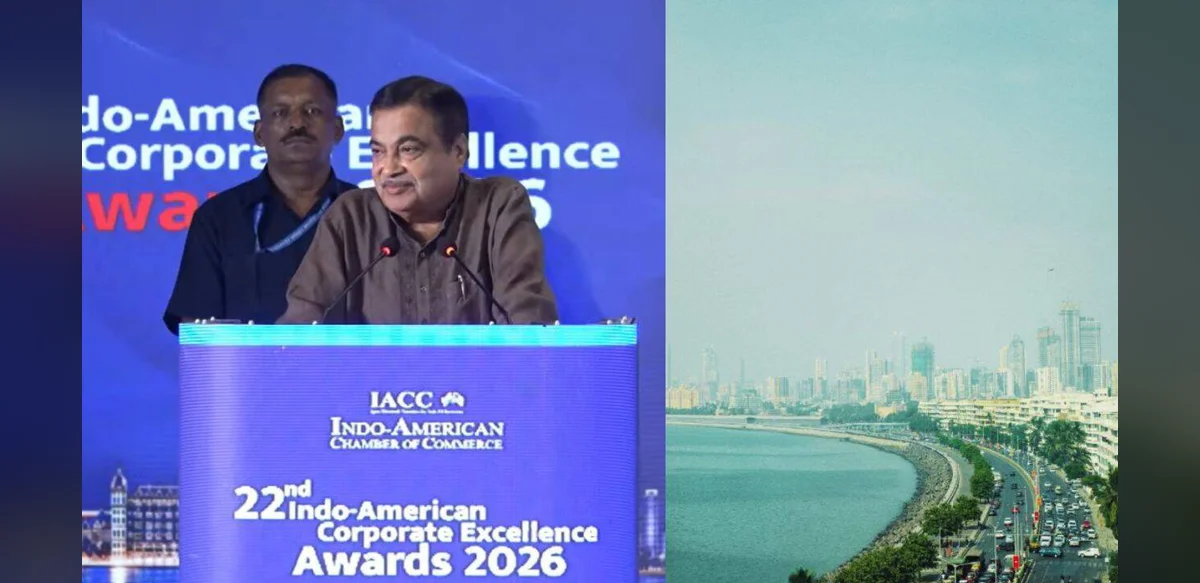
A recent traffic incident in Mumbai drew attention to ongoing challenges with urban mobility in one of India’s largest cities. Union Minister Nitin Gadkari experienced significant delays due to congestion, highlighting how everyday commutes can be disrupted by mounting vehicle volumes. This occurrence reflects broader infrastructure pressures that affect residents and visitors alike.
Mumbai’s existing network of flyovers has struggled to accommodate the steady rise in traffic. As the population grows and economic activity intensifies, roadways designed for earlier eras face increasing strain. Officials have noted that conventional solutions may no longer suffice in addressing peak-hour bottlenecks that extend travel times across key corridors.
Discussions have turned toward advanced engineering approaches from Malaysia, which involve constructing multi-level flyovers supported by single pillars. Such designs aim to maximize vertical space while minimizing the footprint on the ground. In a metropolis where horizontal expansion is limited by dense development and coastal geography, these methods could offer a practical way to add capacity without extensive land acquisition.
Urban planners emphasize that optimizing limited space remains a priority. Single-pillar structures allow roadways to stack efficiently, potentially reducing the need for wide bases that consume valuable real estate. This approach aligns with efforts to maintain flow in areas where traditional expansions would prove disruptive to surrounding neighborhoods and businesses.
The minister’s experience underscores the urgency of exploring such technologies. Prolonged delays not only inconvenience individuals but also impact productivity and logistics across the region. By considering proven innovations from abroad, authorities seek to develop solutions tailored to local conditions while preserving the city’s compact layout.
Public infrastructure projects of this scale require careful evaluation of costs, timelines, and environmental factors. Multi-level configurations could integrate with existing transport systems, providing smoother transitions between surface streets and elevated routes. Proponents argue that these upgrades would help distribute traffic more evenly and lessen the frequency of gridlock situations.
Residents have long voiced concerns about commute reliability in Mumbai. The combination of rapid urbanization and limited road expansion options has created persistent pressure points. Introducing pillar-supported multi-tier flyovers represents one avenue for incremental improvement without overhauling entire districts.
Authorities continue to assess various international models to determine suitability for Indian conditions. Malaysian techniques, in particular, focus on structural efficiency and reduced material use, which could translate to faster implementation in space-constrained environments. This focus on vertical layering addresses the core issue of horizontal scarcity directly.
Overall, the episode serves as a reminder of the need for forward-thinking infrastructure strategies. As vehicle numbers continue to climb, adapting proven engineering concepts may help sustain mobility in densely populated urban centers like Mumbai. Further studies and pilot implementations could clarify the long-term benefits of adopting such designs on a wider scale.


