


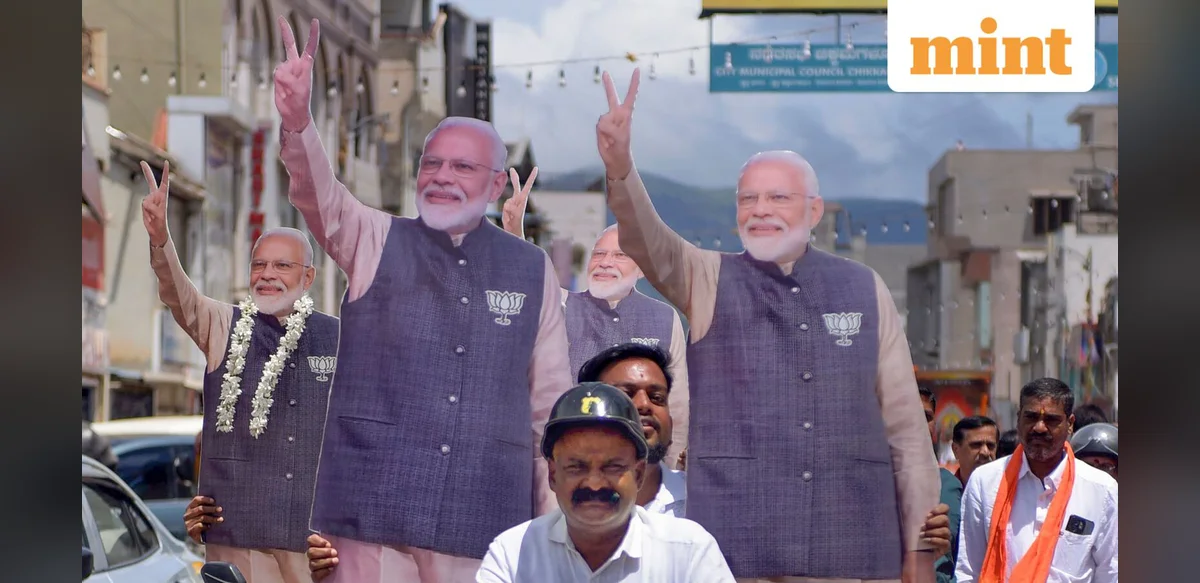
Prime Minister Narendra Modi marked his 76th birthday with reflections on a decade of governance that began on May 26, 2014. During this time the administration introduced several significant measures aimed at reshaping the country’s economic framework. Observers note that these initiatives spanned areas such as currency management, taxation structures, manufacturing incentives, financial inclusion and broader regulatory adjustments.
One early step involved a nationwide currency exchange exercise designed to curb unaccounted funds and promote digital transactions. The move prompted widespread discussion on its short-term effects on daily commerce and long-term influence on formal banking channels. Subsequent years saw the rollout of a unified tax system intended to streamline indirect taxation across states and reduce cascading levies on goods and services.
Additional programs focused on expanding access to banking services for previously unbanked populations through dedicated accounts and related benefits. Manufacturing received attention via production-linked schemes that sought to attract investment in specific sectors and strengthen domestic supply chains. These efforts were accompanied by adjustments in monetary frameworks and regulatory oversight by the central bank.
Policy makers also addressed areas including energy pricing mechanisms, agricultural support structures and infrastructure development. Each measure generated varied responses from industry groups, economists and state administrations. Data from official sources indicate shifts in tax collection patterns, digital payment volumes and account penetration rates over the period.
The overall approach combined welfare-oriented schemes with structural reforms. Constitutional amendments supported some of the taxation changes, while technology platforms facilitated implementation of several initiatives. Foreign policy developments occurred alongside these domestic priorities, though the primary focus remained on internal economic management.
Analysts continue to evaluate outcomes across employment figures, inflation trends and investment flows. Government statements emphasize goals of transparency, efficiency and growth acceleration. Independent assessments highlight both achievements in formalization and challenges in execution at ground level.
As the prime minister enters another year in office, the legacy of these policies forms a central part of ongoing national discourse. Future directions may build upon existing frameworks or introduce refinements based on emerging economic conditions. The period since 2014 thus represents a distinct phase in India’s policy evolution marked by multiple concurrent reforms.

