


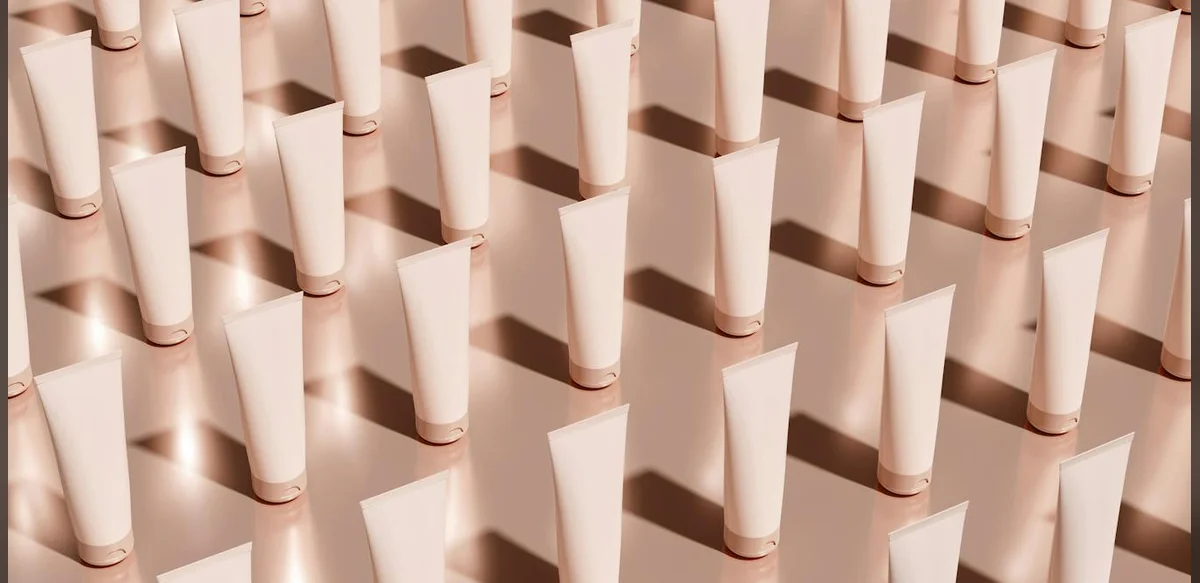
Many individuals find pleasure and relaxation in maintaining a consistent skincare regimen. The process often involves selecting products, applying them methodically, and enjoying the sensory aspects of cleansing and moisturizing. This activity can foster creativity and provide a moment of calm amid daily stresses.
However, questions arise when such routines extend beyond basic care into more intensive practices. Experts note that what begins as self-care might occasionally reflect underlying worries about appearance. In these cases, the focus on skin health could mask broader issues related to self-perception.
The term cosmeticorexia has emerged in discussions to describe an excessive preoccupation with cosmetic products and procedures. While not formally recognized in medical classifications, it highlights scenarios where time and resources devoted to skincare interfere with other aspects of life. Individuals may spend hours researching ingredients or testing multiple layers of application, seeking an idealized outcome.
Research in psychology suggests that body image plays a significant role in personal well-being. Positive engagement with grooming can enhance confidence for some people. Yet for others, it may amplify dissatisfaction if results fall short of expectations promoted by media or social platforms.
Health professionals recommend monitoring the emotional impact of routines. If skipping a step leads to anxiety or if product purchases strain finances without proportional benefits, it may warrant reflection. Conversations with dermatologists or mental health specialists can provide clarity on whether habits remain balanced.
Public awareness campaigns emphasize moderation in all forms of personal care. Educational resources often distinguish between beneficial habits and those that become compulsive. Support networks, including online forums moderated by professionals, allow sharing experiences without judgment.
Cultural factors influence perceptions of skincare importance. In various societies, clear skin symbolizes vitality and discipline. This can encourage widespread adoption of routines but also pressure individuals to conform to narrow standards.
Longer articles on the topic explore case examples where people transitioned from enjoyment to concern. One account describes gradually increasing product counts from three to over twenty, accompanied by constant mirror checking. Intervention through therapy helped restore equilibrium.
Data from surveys indicate rising interest in skincare across age groups. Sales figures show consistent growth in specialized items targeting specific concerns like hydration or protection. This trend coincides with greater visibility of routines on digital channels.
Ultimately, the distinction lies in intent and outcome. When skincare enhances daily life without dominating thoughts or actions, it serves a constructive purpose. Awareness of personal boundaries supports healthier approaches to appearance and self-care overall.
Further studies continue to examine links between grooming behaviors and psychological patterns. Findings aim to guide both consumers and practitioners toward informed decisions. Balanced perspectives encourage appreciation of routines while remaining vigilant about potential excesses.


