


Manila, Philippines — Senator Garin has stated that the two-thirds voting threshold required in an impeachment trial should only include senators who are present and able to fulfill their responsibilities. This position emphasizes the need for active participation when deciding on such significant matters.
The Senate impeachment court has been examining the procedural aspects of the voting process. According to the statement, senators who are absent or unable to perform their duties should not factor into the calculation of the required majority. This approach aims to ensure that decisions reflect the will of those actively engaged in the proceedings.
Legal experts note that impeachment trials follow strict constitutional guidelines. The two-thirds vote is a high bar designed to protect officials from removal without broad consensus. Excluding absent members from the denominator could alter how close a case is to reaching that threshold.
Observers point out that attendance can vary during long trials due to health, scheduling, or other commitments. Garin’s proposal seeks to address situations where low attendance might otherwise complicate the counting process. Supporters argue it promotes fairness by focusing only on participating lawmakers.
The discussion comes amid ongoing proceedings that have drawn public attention. Senate leaders have not yet issued a formal response to the suggestion. Further debate is expected as the court continues its work on rules and procedures.
In past impeachment cases, questions about quorum and voting eligibility have occasionally arisen. Clarifying how absences are treated could help avoid disputes later in the trial. The Senate is expected to review the matter carefully before any final ruling.
Public interest remains high as the trial progresses. Citizens and analysts are watching how procedural decisions might influence the outcome. Garin’s remarks add another dimension to the conversation about ensuring integrity in the process.
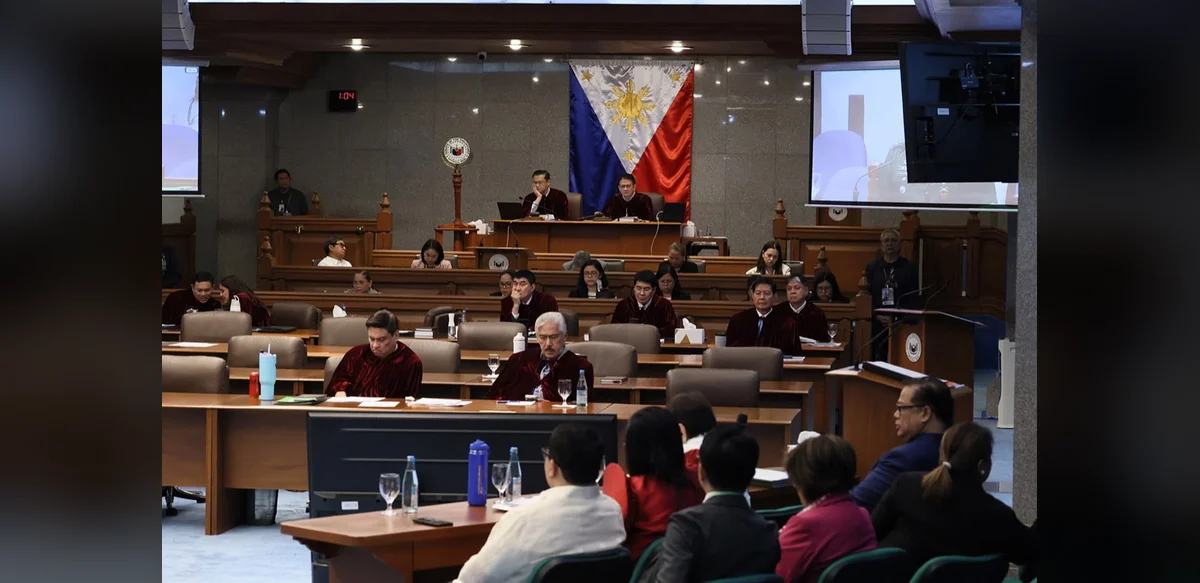
The impeachment court file photo shows the formal setting where these deliberations occur. Proceedings are conducted under established protocols that prioritize order and adherence to law. Any changes to voting calculations would require careful consideration by the body as a whole.
As the session continues, more details may emerge regarding attendance policies and their application. The focus remains on maintaining a transparent and lawful approach to the trial. Updates will be provided as the Senate moves forward with its agenda.


