


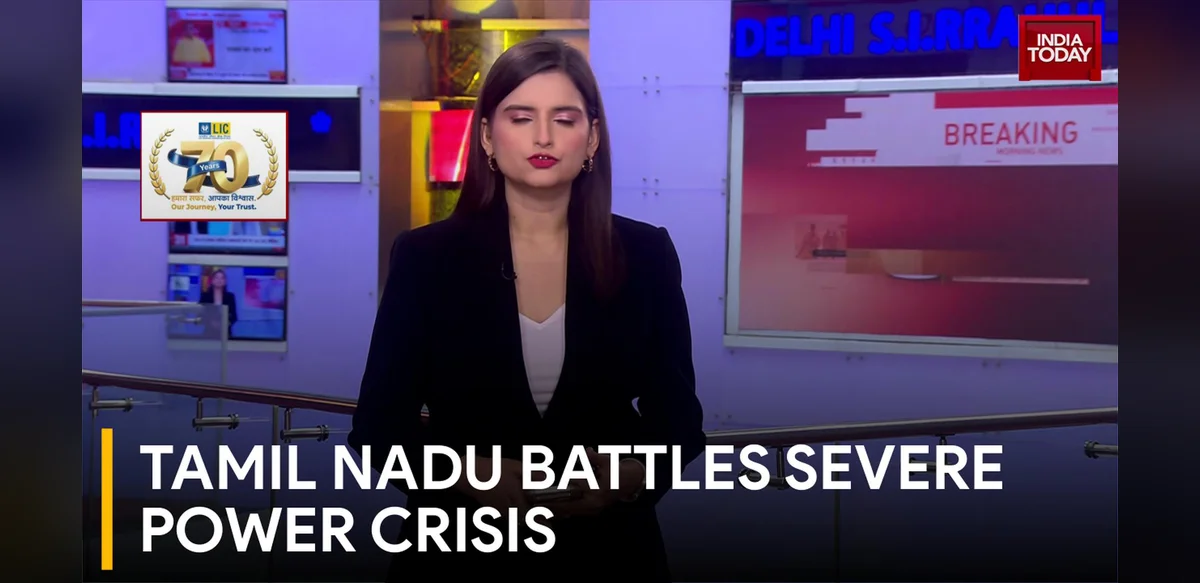
Tamil Nadu is currently experiencing significant challenges with its electricity supply, leading to widespread power shortages across the state. Energy production levels have declined noticeably in recent weeks, resulting in frequent blackouts that affect both urban and rural areas. Officials have noted that the shortfall stems from a combination of increased demand during peak seasons and reduced output from several generation facilities.
Residents in major cities such as Chennai, Coimbatore, and Madurai have reported intermittent outages lasting several hours each day. These disruptions have impacted daily routines, with households relying on backup systems or adjusting schedules to cope with the lack of consistent power. In rural regions, farmers have faced difficulties operating irrigation pumps and other essential equipment, raising concerns about agricultural productivity.
Industrial zones have also been hit hard by the unreliable supply. Manufacturing units report delays in production timelines and higher operational costs due to the need for alternative energy sources. Some businesses have implemented shift adjustments to minimize losses, while others are exploring long-term solutions such as installing captive power plants.
State authorities have stated that efforts are underway to address the issue through maintenance of existing plants and coordination with neighboring regions for additional power imports. Temporary measures include load shedding schedules to distribute the available supply more evenly. Experts emphasize the importance of diversifying energy sources to build greater resilience against future shortages.
The situation has prompted discussions on infrastructure upgrades and policy adjustments aimed at stabilizing the grid. Monitoring of consumption patterns continues, with calls for public cooperation in conserving electricity during high-demand periods. As the state works through these challenges, updates on production recovery and supply improvements are expected in the coming days.
Further assessments indicate that weather-related factors and equipment issues at key facilities have contributed to the drop in generation capacity. Repairs and inspections are being prioritized to restore normal operations as quickly as possible. Meanwhile, contingency plans are in place to support critical services such as hospitals and emergency response centers.
Overall, the power shortage highlights ongoing needs for investment in energy infrastructure. Stakeholders across sectors continue to monitor developments closely while adapting to the current constraints. The focus remains on minimizing disruptions and ensuring equitable distribution of available resources throughout Tamil Nadu.


