


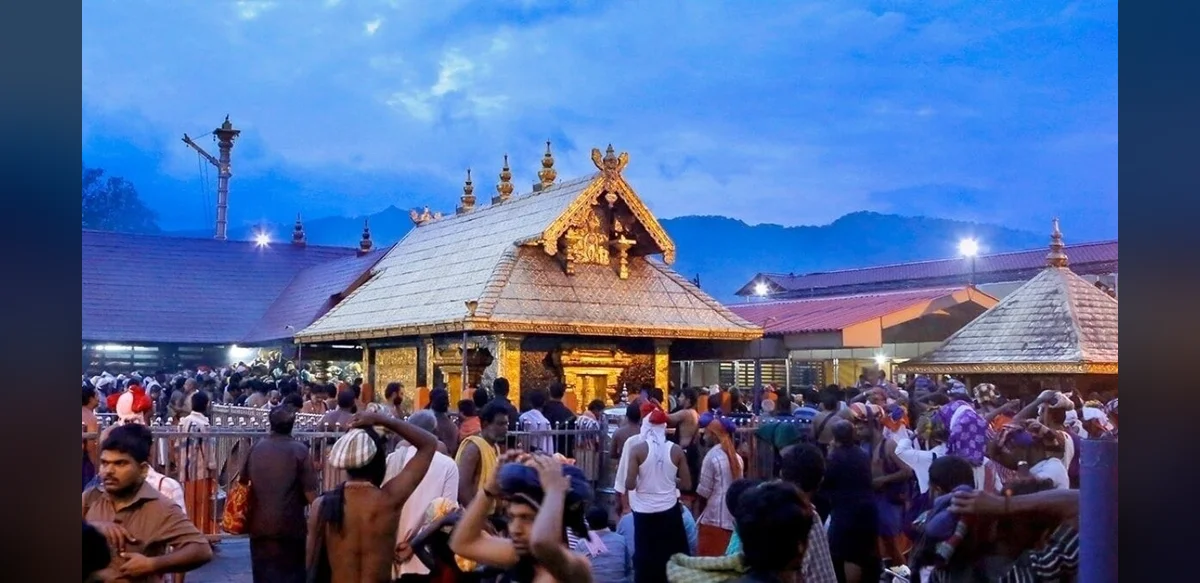
A reported shortfall in the supply of traditional offerings at the Sabarimala temple has led to friction between the Kerala state administration and the Travancore Devaswom Board. The issue centers on the availability of prasadam items such as aravana and payasam, which hold significant importance for pilgrims visiting the hill shrine.
Temple authorities have indicated that production constraints and logistical challenges contributed to the reduced quantities distributed during recent weeks. Officials from the Devaswom Board noted that demand often surges during peak pilgrimage periods, placing pressure on existing facilities and supply chains.
State government representatives have expressed concern over the management of temple resources and called for improved coordination to prevent similar occurrences. Discussions between the two sides are ongoing, with both emphasizing the need to maintain smooth operations for devotees.
The Sabarimala shrine attracts millions of visitors annually, particularly during the Mandala-Makaravilakku season. Prasadam distribution forms a key aspect of the pilgrimage experience, and any disruption can affect the overall arrangements managed by the board.
Sources close to the matter suggest that reviews of procurement processes and storage capacities are under consideration. The board has historically handled daily affairs of the temple, while the government oversees broader policy matters related to religious institutions in the state.
Pilgrims have shared mixed experiences regarding the availability of offerings, with some reporting adequate supplies at certain counters and others noting delays. Authorities have urged visitors to follow designated procedures to ensure orderly distribution.
Efforts to address the shortfall include exploring additional production units and better inventory planning ahead of future seasons. Both the administration and the board have reiterated their commitment to upholding the sanctity and efficiency of temple services.
This episode highlights the complexities involved in managing large-scale religious sites where administrative oversight intersects with operational responsibilities. Continued dialogue is expected to focus on sustainable solutions that prioritize pilgrim welfare.
Observers note that such incidents, while not uncommon in high-traffic religious centers, underscore the importance of proactive measures. The temple board maintains that it is working diligently to resolve the current constraints.
Government statements have stressed the need for transparency in resource allocation and regular updates to the public. Stakeholders from various sectors have called for collaborative approaches to enhance overall temple management.
In the coming weeks, further assessments are anticipated to evaluate the effectiveness of any implemented changes. The focus remains on ensuring that the pilgrimage experience remains accessible and well-organized for all visitors.
The situation at Sabarimala serves as a reminder of the logistical demands placed on temple administrations during festival periods. Both parties involved continue to engage in discussions aimed at preventing recurrence of supply issues.
Local communities and devotee groups have expressed hope for a swift resolution that restores normalcy to prasadam distribution. The temple’s significance in the cultural landscape of the region adds weight to these administrative matters.
Overall, the episode reflects ongoing efforts to balance traditional practices with modern administrative requirements at one of Kerala’s most revered sites. Updates on the matter are expected as talks progress between the state and the Devaswom Board.


