


In the aftermath of India’s nuclear tests in 1998, the United States imposed a series of economic sanctions aimed at curbing further proliferation activities. These measures targeted key sectors including technology transfers and financial assistance. Despite initial concerns over potential economic strain, Indian policymakers focused on strengthening domestic capabilities and pursuing quiet diplomatic channels.
The sanctions, enacted under the Glenn Amendment, restricted access to certain loans and export licenses. Indian authorities responded by diversifying trade partnerships and emphasizing self-reliance in critical industries. Over time, bilateral talks highlighted shared strategic interests, gradually shifting the tone of discussions between the two nations.
By the early 2000s, evolving global security dynamics prompted a reassessment of the restrictions. High-level engagements between Indian and American representatives explored avenues for cooperation in defense and civilian nuclear energy. These conversations laid the groundwork for easing punitive measures without compromising nonproliferation goals.
Economic data from the period indicated that India’s growth trajectory remained resilient despite the sanctions. Export sectors adapted through new markets, while internal reforms supported continued expansion. This performance contributed to arguments that the sanctions had limited long-term impact on India’s development.
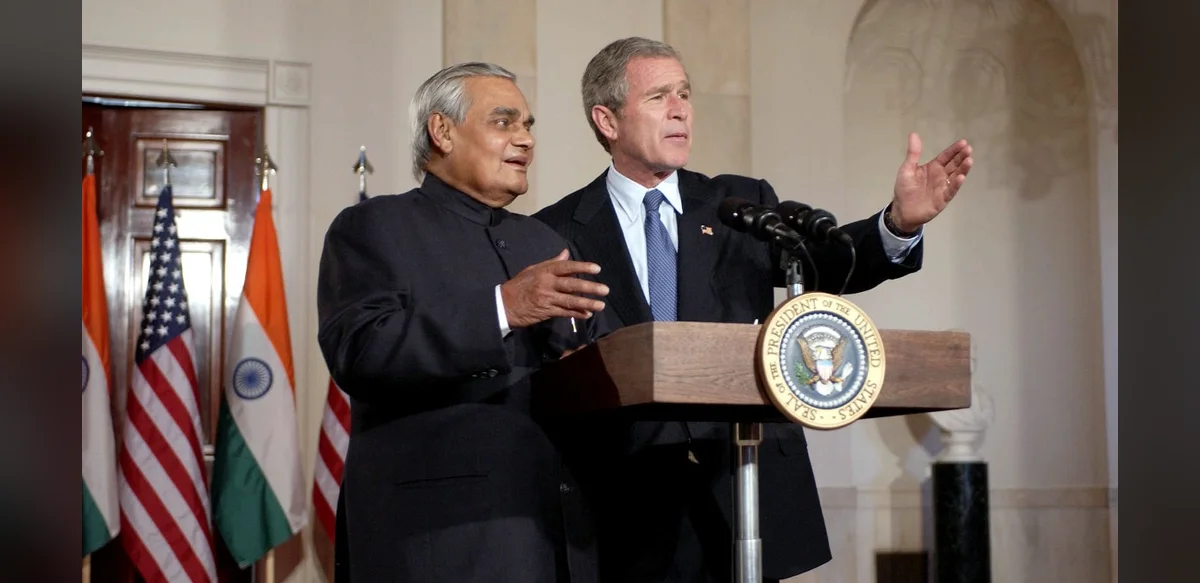
Negotiations intensified following changes in leadership in both countries. Emphasis was placed on building trust through transparency measures and joint initiatives. The eventual lifting of sanctions reflected a mutual recognition of India’s responsible nuclear posture and its role as a stable democratic partner in the region.
Analysts noted that sustained engagement helped transform the relationship from one of confrontation to collaboration. Frameworks for technology sharing and strategic dialogue emerged as key outcomes. These developments underscored the effectiveness of calibrated diplomacy in addressing international concerns.
Public statements from officials at the time stressed the importance of sovereignty alongside global norms. India maintained its commitment to voluntary moratoriums on further testing while advocating for equitable treatment in international forums. This balanced approach facilitated the removal of remaining barriers.
The episode illustrated how targeted sanctions can sometimes prompt adaptive strategies rather than outright compliance. India’s experience demonstrated the value of economic diversification and persistent outreach in mitigating external pressures. Subsequent agreements built upon this foundation to expand cooperation across multiple domains.
Historical records show that sanctions were progressively rolled back as confidence grew in India’s nonproliferation record. The process involved detailed reviews and incremental steps toward normalization. Both sides acknowledged the need for pragmatic solutions that aligned with broader foreign policy objectives.
In retrospect, the episode marked a turning point in India-US relations. It paved the way for deeper strategic ties that continue to influence regional stability and economic partnerships today. The focus remained on mutual benefits derived from open dialogue and respect for independent decision-making.


