


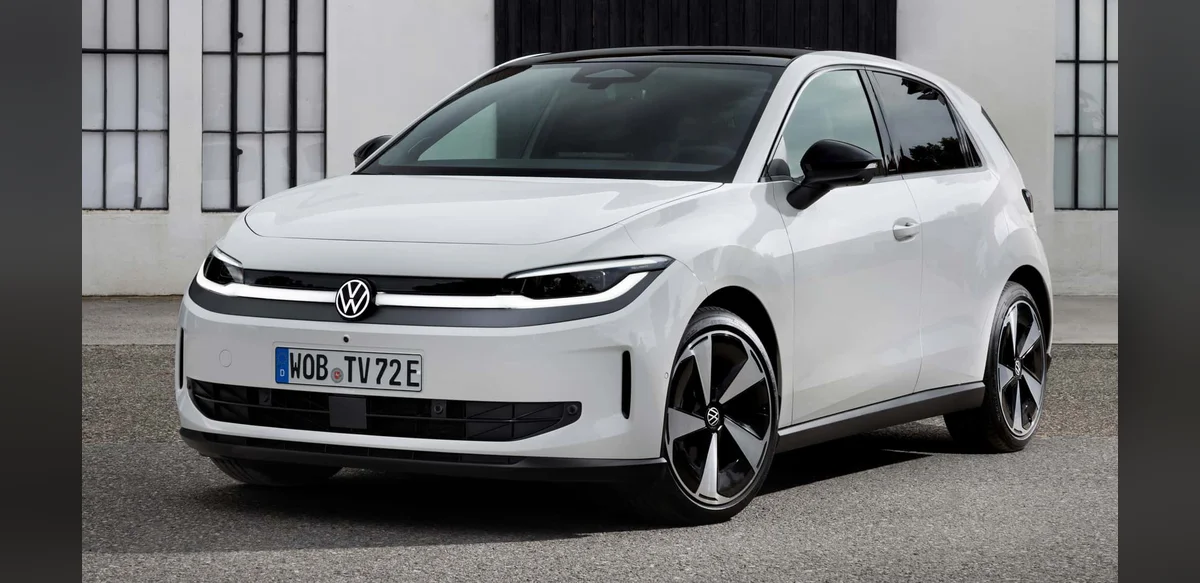
Recent trends in the German automotive market show a notable increase in orders for electric vehicles. This development has led to reduced interest in traditional combustion engine models. As a result, Volkswagen has begun making changes to its manufacturing schedules at plants located within Germany.
The shift reflects broader consumer preferences moving toward battery-powered options. Industry observers note that this change in demand patterns requires manufacturers to rebalance output levels between different vehicle types. Volkswagen’s response involves scaling back certain production lines dedicated to gasoline and diesel cars while increasing capacity for electric models.
Factories in Germany have historically focused on a mix of vehicle categories. The current adjustment aims to align output more closely with incoming orders. Company statements indicate that these modifications are necessary to maintain efficient operations and avoid excess inventory of less popular models.
Market data from recent months highlights the growing share of electric vehicle registrations. This pattern has placed pressure on segments still reliant on internal combustion engines. Volkswagen is monitoring these developments closely to ensure its production strategy remains responsive.
The situation underscores challenges faced by established automakers as they transition toward new powertrain technologies. Production planning must account for fluctuating demand across categories. Volkswagen’s actions in Germany represent one example of how companies are adapting to these market dynamics.
Employees at affected facilities are being informed about the revised schedules. The company emphasizes that the changes are part of ongoing efforts to optimize resources. No immediate workforce reductions have been announced in connection with the production adjustments.
Analysts suggest that similar patterns may emerge at other manufacturers operating in the region. The focus remains on matching supply with actual customer orders. Volkswagen continues to invest in electric vehicle development while managing the transition from older technologies.
Overall, the German market illustrates the rapid evolution occurring in personal transportation. Electric vehicle adoption is influencing manufacturing decisions at major producers. Volkswagen’s production modifications reflect this reality without altering the core focus on quality and customer needs.
Further updates on production volumes are expected in upcoming quarterly reports. The company maintains that its strategy supports long-term competitiveness in a changing industry landscape. Observers will continue to track order trends and their impact on factory operations across Germany.


